
Searching for bat control near me Winthrop, MA usually means you've already heard the scratching in the attic or found droppings along the roofline. Winthrop's narrow lots and older roof lines near Point Shirley, Cottage Park, and the Deer Island causeway give bats dozens of tight entry points most homeowners never think to check. This guide walks through the signs, the legal removal window in Massachusetts, and exactly how a humane exclusion job works here.
Signs You Need Bat Control Near Me in Winthrop, MA
Bats are quiet until they aren't. Most homeowners notice a problem from the outside before they ever see a bat indoors.
Watch for:
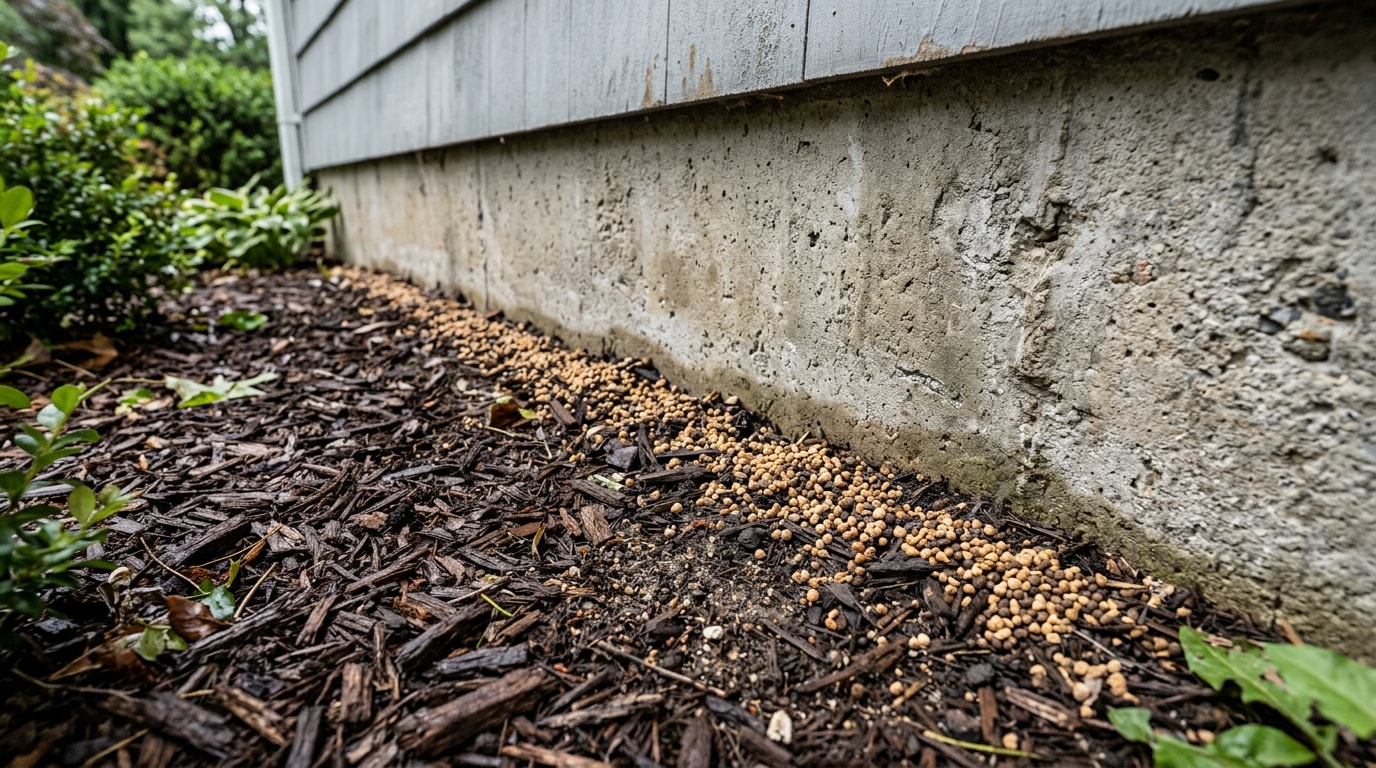
- Small, dark, crumbly droppings (guano) along the foundation or on window sills below the roofline
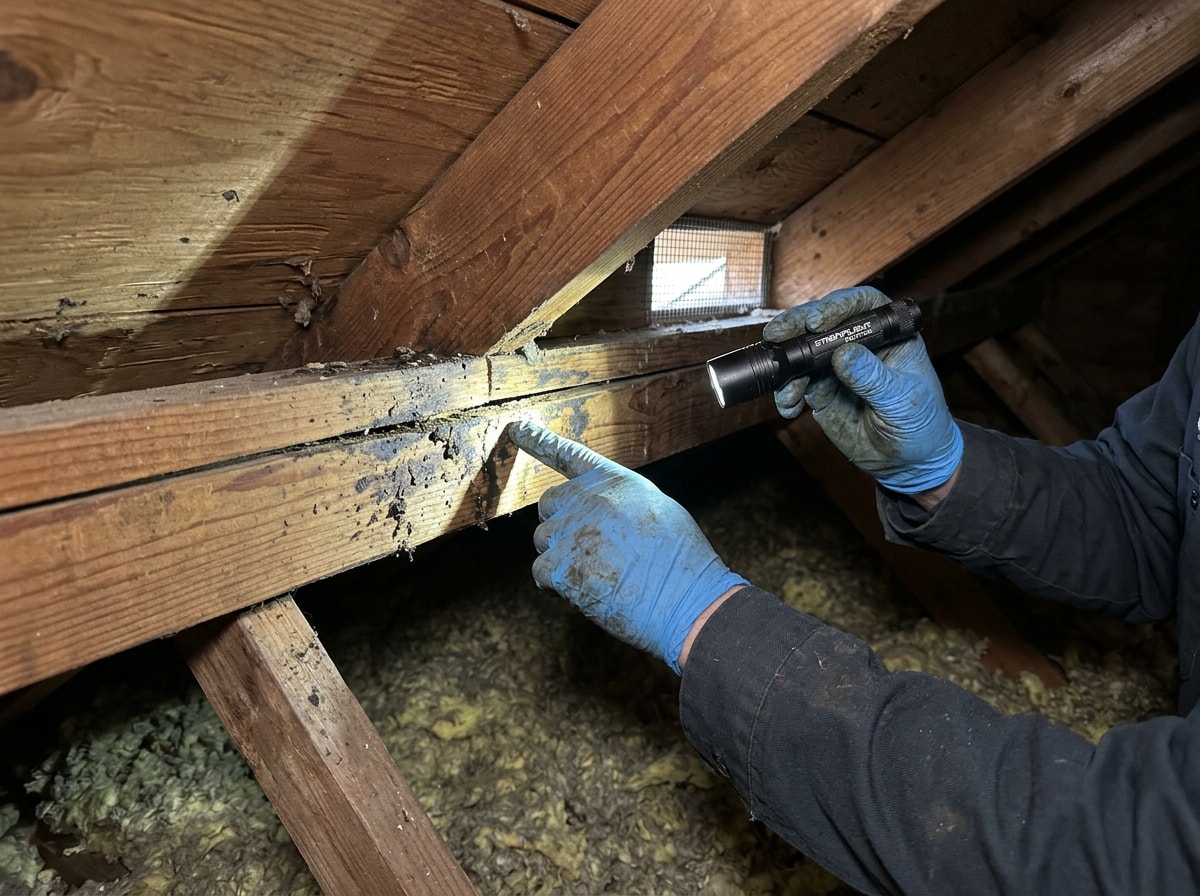
- Greasy black smudges around soffit gaps or roof vents, left behind by body oils as bats squeeze through
- A sharp, musty ammonia smell coming from the attic
- Faint high-pitched squeaking or scratching right around dusk, when the colony starts stirring
- A single bat flying inside the living space, which can mean one disoriented visitor or a sign of a larger colony nearby
One bat in the house doesn't always mean an infestation. It's often a young or confused individual that found a gap by accident. A recurring pattern of droppings and odor points to an established colony that needs professional exclusion.
Our Humane Bat Exclusion Process in Winthrop, MA
Massachusetts law treats bats as protected wildlife, so trapping, poisoning, or sealing an active roost on your own carries real legal and health risk. A licensed technician handles the job in a specific order:
- Inspection - We check the attic, soffits, roofline, and foundation at dusk to count active entry points and estimate colony size.
- One-way device installation - A one-way exclusion door goes over the main opening so bats can leave to feed at night but can't climb back in.
- Monitoring period - The device stays up for several days to let the full colony exit on its own schedule.
- Permanent sealing - Once the roost is confirmed empty, we close the opening and seal nearby gaps as part of full attic exclusion work.
- Cleanup - Guano and contaminated insulation get removed and the space sanitized where buildup warrants it.
This same one-way-door method is the only legal way to clear a colony in Massachusetts, whether it's one bat or two hundred. Schedule a free inspection and we'll walk your roofline with you before any work starts.
If you want the broader picture of how we handle nuisance wildlife beyond bats, our wildlife removal services and exclusion work pages cover the full process.
Massachusetts Bat Removal Laws: When Exclusion Is Legal
Timing is the part most DIY guides get wrong, and it's also where homeowners get into legal trouble. Massachusetts law protects bats during their June and July maternity season, when pups can't yet fly.
MassWildlife explains that attempts to evict or exclude bats during the maternity season (June and July) may result in the death of flightless young from being trapped inside and may also lead to an increase in the number of adult bats and orphaned pups that enter the living space. Exclusions are also off-limits in winter, since big brown bats often hibernate in homes and attics, and when the bats awake from hibernation in the spring, they will be entrapped and may die or attempt to enter the living space to escape.
| Season | Exclusion allowed? | Why |
|---|---|---|
| Spring (May) | Yes | Bats are active but haven't given birth yet |
| June - July | No | Maternity season; pups can't fly |
| Aug - mid-Oct | Yes | Pups have fledged and can leave on their own |
| Winter | No | Bats are hibernating in the structure |
Because the legal window is narrow, a licensed operator who already knows Winthrop's permitting and seasonal rules saves you from a job that has to be undone and redone months later. Contact our team to confirm where your property falls in the current window.
Why Winthrop Homes Attract Bats
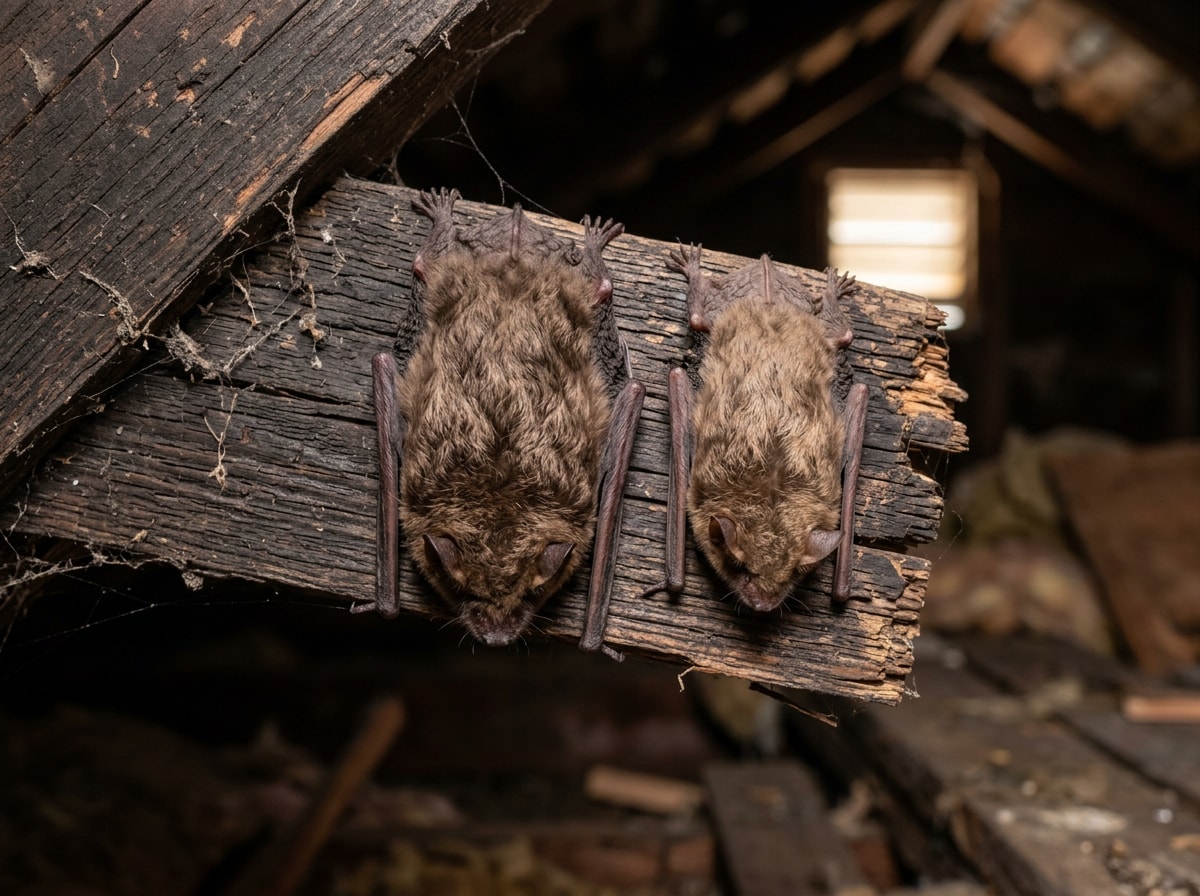
Massachusetts is home to two common house-dwelling species: the big brown bat and the little brown bat. Both use echolocation to hunt, not sight, so the old "blind bat" myth doesn't hold up.
Winthrop's dense, close-set triple-deckers and capes built in the early-to-mid 1900s have the same tight, warm crevices bats use in caves and tree bark. Roof lines, chimney chases, and gaps where original flashing meets newer siding create easy access. MassWildlife notes that bats are an important part of the local ecosystem, and if bats are found in a home, it's important to follow MassWildlife's recommendations for humane exclusion, since in Massachusetts, bat exclusions may only be conducted during specific times of year.
Little brown bats are a bigger conservation concern than big browns because of white-nose syndrome, a fungal disease that has cut populations sharply across the Northeast. That's part of why lethal control is illegal here regardless of species.
Health Risks: Rabies and Histoplasmosis
Bats aren't aggressive, but two health risks make professional handling worth the cost.
Rabies. The CDC notes that rabid bats are found in all U.S. states except Hawaii, and while certain bats are more commonly diagnosed with rabies, all bat species are susceptible, so any direct contact with a bat should be reported to a medical provider or your public health department. Never handle a bat with bare hands, even one that looks sick or stunned.
Histoplasmosis. Large guano piles can harbor a fungus that causes a lung infection. According to the CDC, Histoplasma, a fungus in soil, bird, and bat droppings in areas in the U.S., causes lung infections, and most people don't get seriously ill, but symptoms can be severe in people with weakened immune systems. Scattered droppings from a passing visitor are low risk. An active colony's accumulated guano is not something to sweep up with a broom. Our pest waste cleanup and remediation service handles that safely, with the same respiratory protection used on professional sites.
Why a Bat House Won't Fix an Active Infestation
Bat houses get marketed as a quick fix, but a mismounted box does nothing for bats already living in your attic. Bat Conservation International's guidelines note that bat houses should receive at least six hours of daily sun exposure, and the bottom of bat houses should be located at least 10 feet off the ground, with 12 to 20 feet being even better. Most DIY boxes sold at hardware stores are mounted too low, in too much shade, or on a tree, which BCI specifically advises against.
Treat a bat house as a long-term deterrent for displaced bats after exclusion, not a substitute for sealing an active roost. Pairing one with proper attic sealing and exclusion gives the colony somewhere else to go once they're out of your roof.
What Bat Exclusion Typically Involves Cost-Wise
Pricing depends on colony size, the number of entry points, and whether guano cleanup is needed. A single bat with one entry point costs far less to exclude than a colony that's been roosting for multiple seasons across several gaps. Homes with heavier guano buildup or insulation damage add cleanup and restoration costs on top of the exclusion itself. The only way to get an accurate number for your Winthrop property is a dusk inspection, which is why we offer one at no cost before any work is scheduled.
FAQ
Can bat droppings make me sick?
Yes, in some cases. Large guano accumulations can carry a fungus linked to histoplasmosis, a lung infection spread through airborne spores. A few scattered droppings pose lower risk, but an active colony calls for professional cleanup rather than DIY sweeping.
Are bats dangerous?
Bats aren't aggressive and most avoid people entirely. The real risks are rabies from direct contact and respiratory hazards from disturbing a large guano pile without protective gear. Never pick up a bat, even one that appears sick or grounded.
When can you legally remove bats in Massachusetts?
Exclusion is allowed in May and from roughly August 1 through mid-October. It's illegal during the June-July maternity season and during winter hibernation, since both windows risk trapping bats inside your home.
How do you get rid of bats in your house?
Lethal methods are illegal and ineffective in Massachusetts. The only legal, effective method is professional one-way-door exclusion, done at the correct time of year and followed by permanent sealing of the entry points.
Will a bat house get rid of the bats in my attic?
No. A bat house gives displaced bats a new place to roost after exclusion, but it does nothing to remove a colony already living in your roof. Exclusion has to happen first.
Does home insurance cover bat damage or removal?
Most standard homeowners policies treat wildlife infestations as a maintenance issue and exclude them, though some will cover resulting structural damage. Check your specific policy or ask your agent before assuming coverage applies.
Ready to deal with the colony instead of guessing at the timing? Request your free inspection and we'll confirm legal exclusion windows, entry points, and next steps for your Winthrop property. You can also browse our full pest control service lineup or see how we've handled exclusion work for other homes on our projects page. For a related bird-exclusion job nearby, see our guide on pigeon control and bird proofing in Chelsea. Winthrop homeowners can also check our local service area page for coverage details, and visit our homepage for our full range of pest and wildlife services.