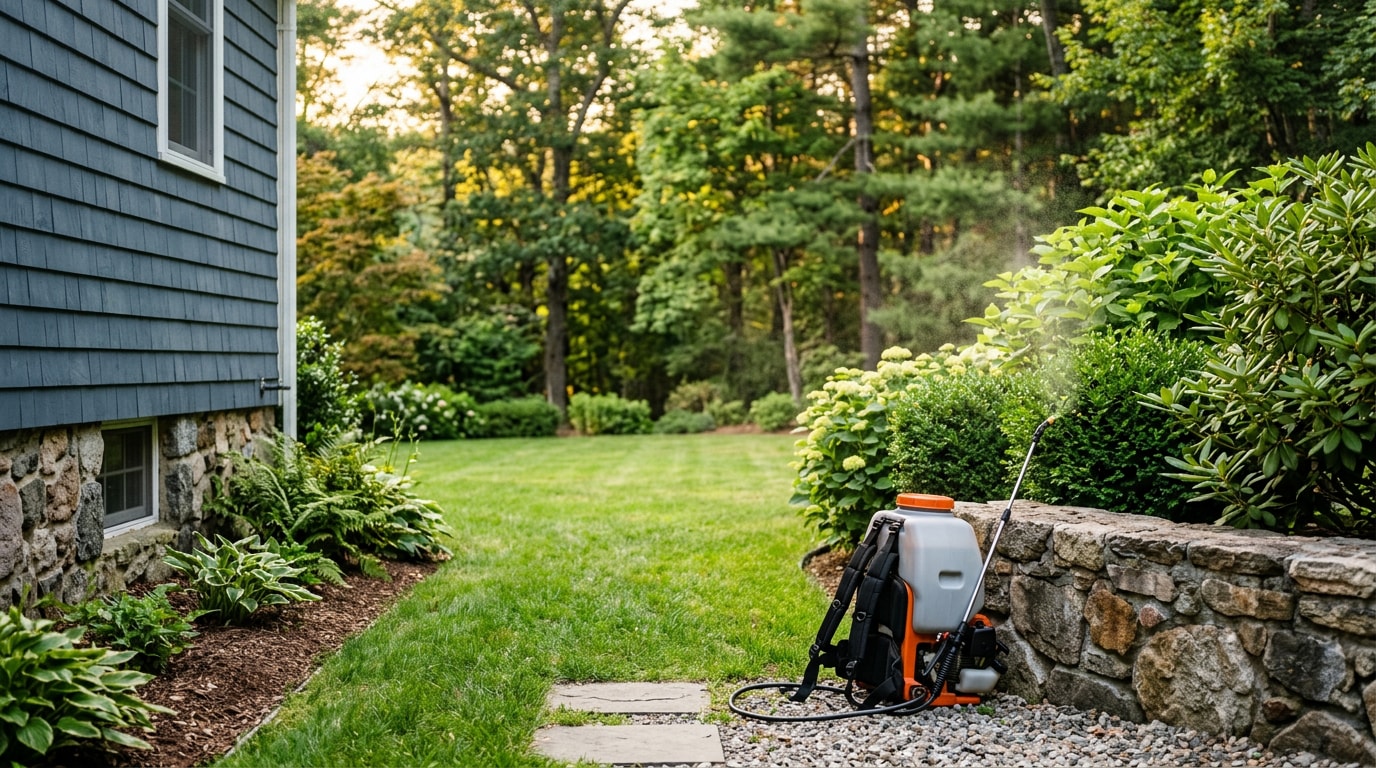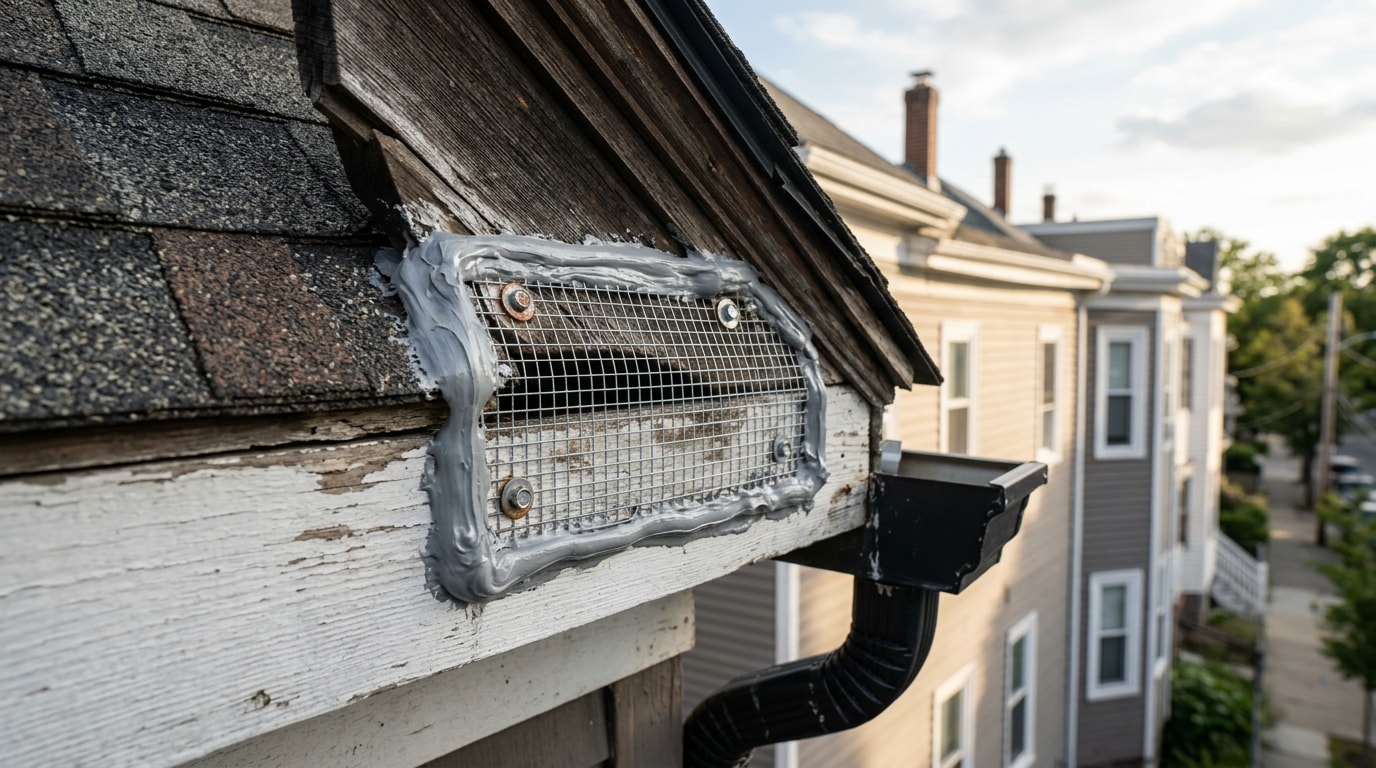
Ant traps for carpenter ants in Malden, MA only work if you match the bait format to what the colony is actually eating that week. Most boxes on hardware store shelves are built for sugar ants and explicitly exclude carpenter ants, which is why homeowners can try three different products and still see trails marching across the kitchen counter. Here's exactly which formats work, where to put them, and when it's time to stop guessing and call a licensed technician.
Why Standard Ant Traps Fail on Carpenter Ants
Most mainstream ant traps and bait stations fail on carpenter ants because their labels explicitly exclude the species. These products are built for sugar-feeding household ants, while carpenter ants switch between protein and carbohydrate diets depending on the season, so a sweet liquid bait can sit completely untouched for weeks.
Read the fine print before you buy anything. Many bestselling traps carry a disclaimer excluding carpenter ants, fire ants, and pharaoh ants from their guarantee, which is exactly why label-reading matters more here than with any other household ant problem.
A pesticide label's Directions for Use section is where that distinction actually lives, not the front-of-box marketing claims. It is especially important that reference to other products does not distract users from reading the labeled product's Directions for Use. In plain terms: check what the product is registered to kill before you check the price.
Trap Types That Actually Work on Carpenter Ants
Three bait formats are genuinely formulated for carpenter ants: granular, gel, and liquid bait stations. Matching the format to the colony's current feeding phase, protein versus carbohydrate, is the real decision that determines whether you see results in days or never.
Granular Bait
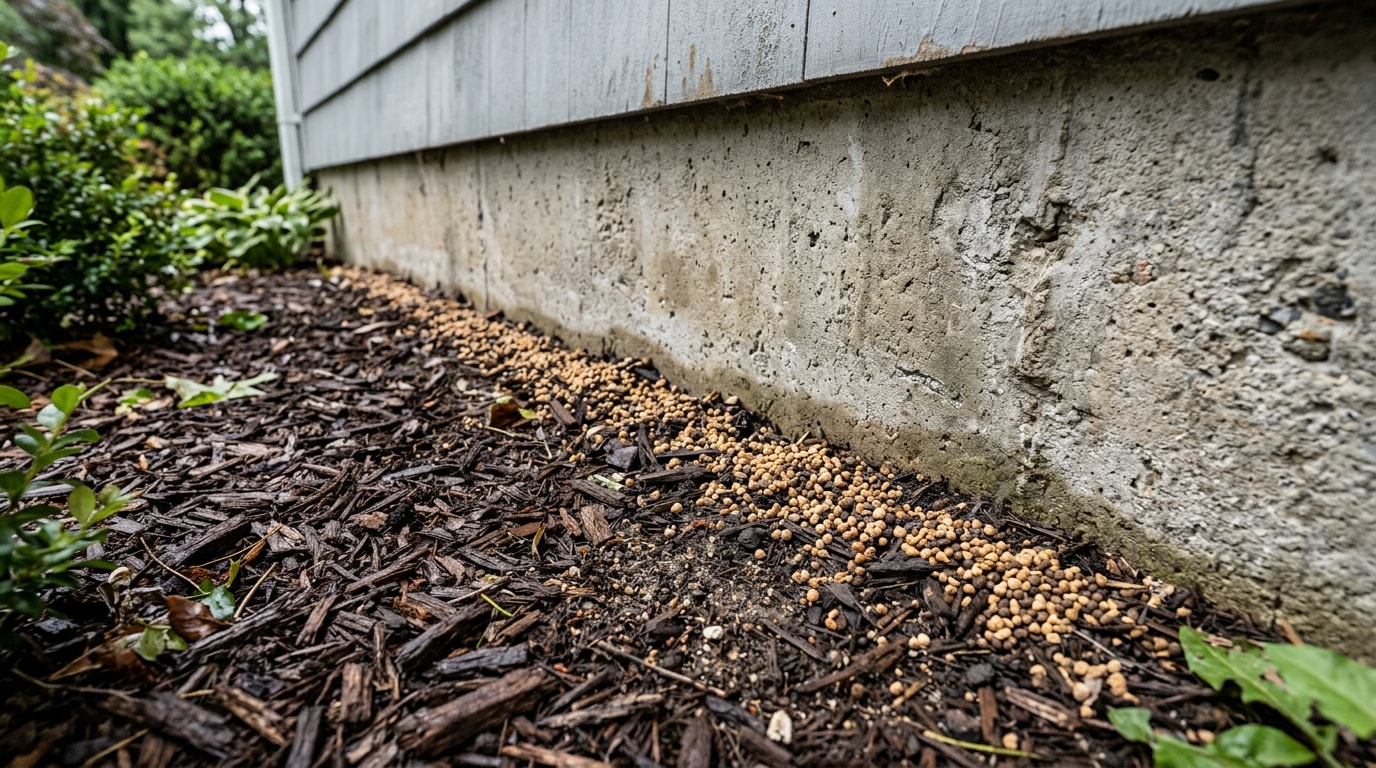
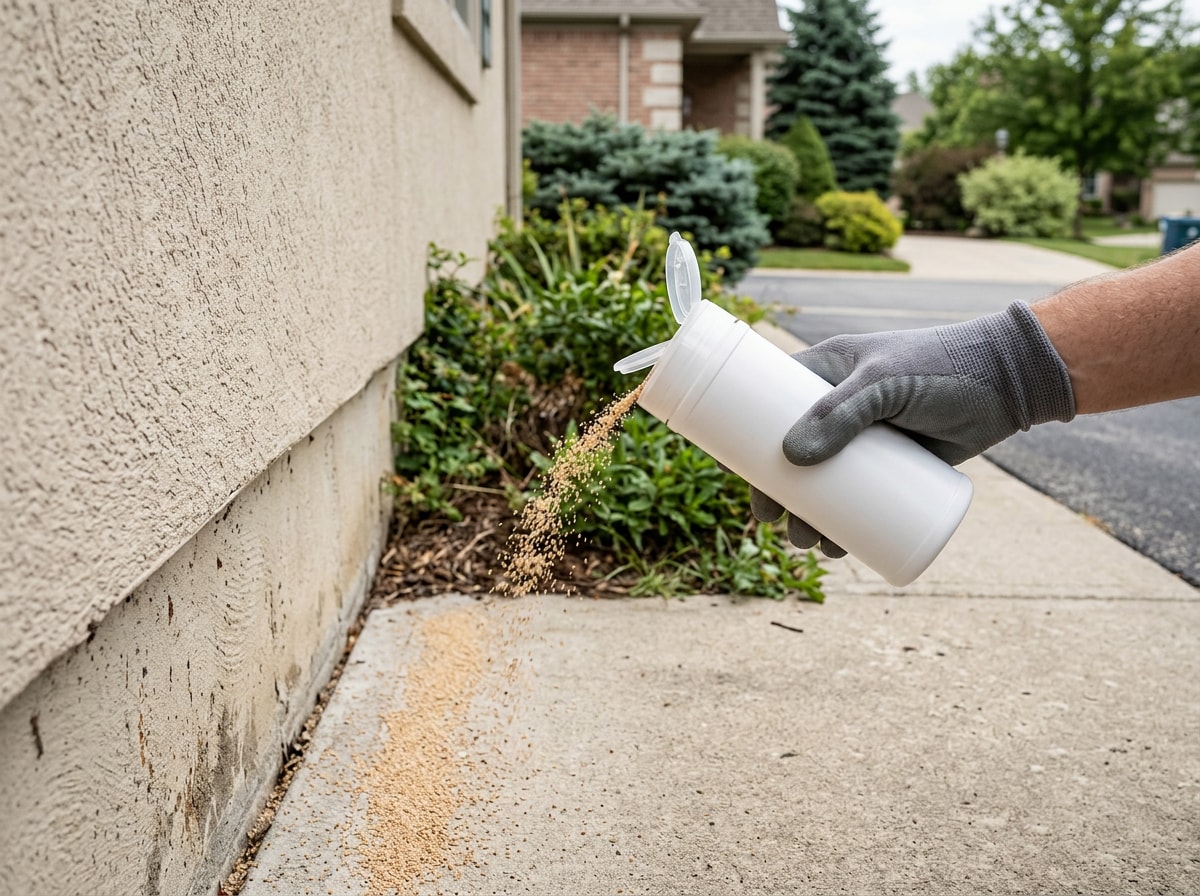
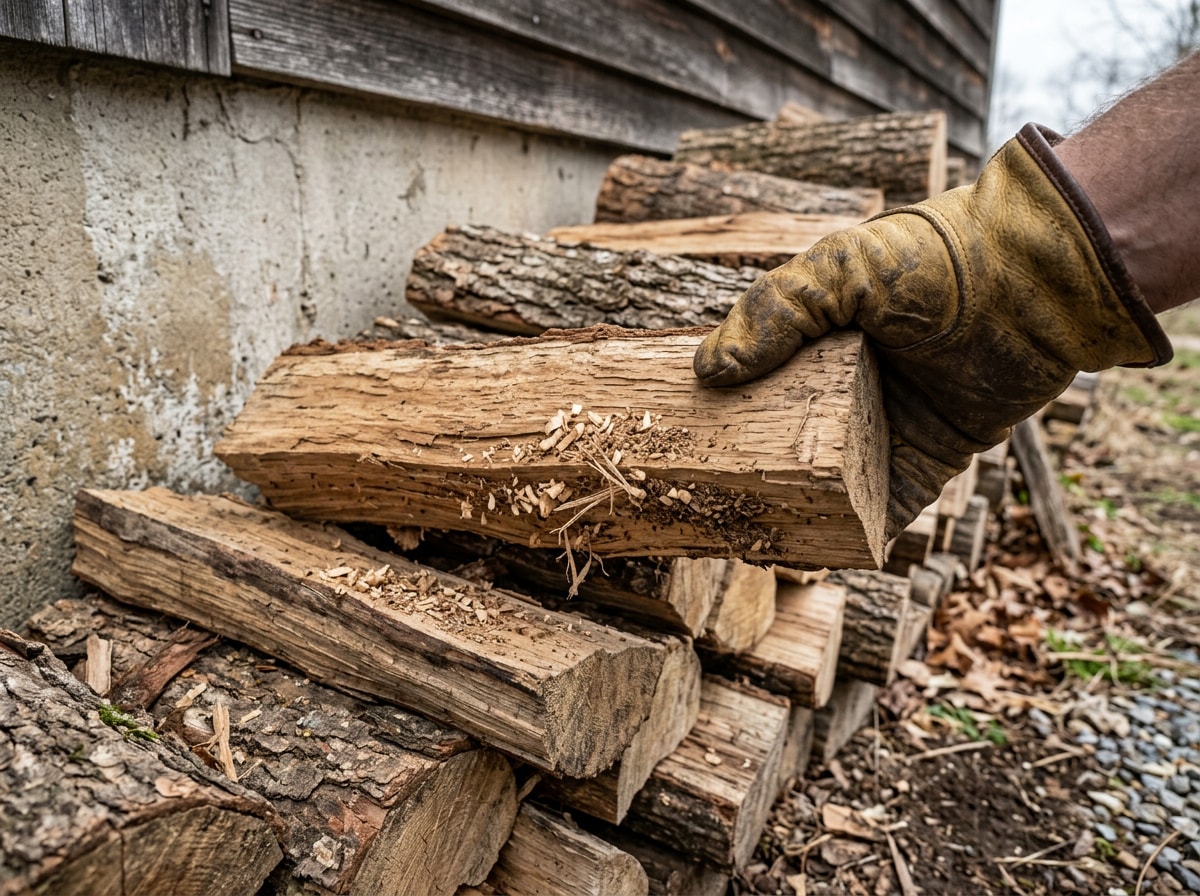
Granular bait is protein-based and works best as an outdoor perimeter treatment. Scatter it along foundations, at the base of trees, and around firewood piles where ants forage. Look for a slow-acting active ingredient like abamectin, and don't skimp on granule size since carpenter ants need pieces large enough to carry back to the nest.
Gel Bait
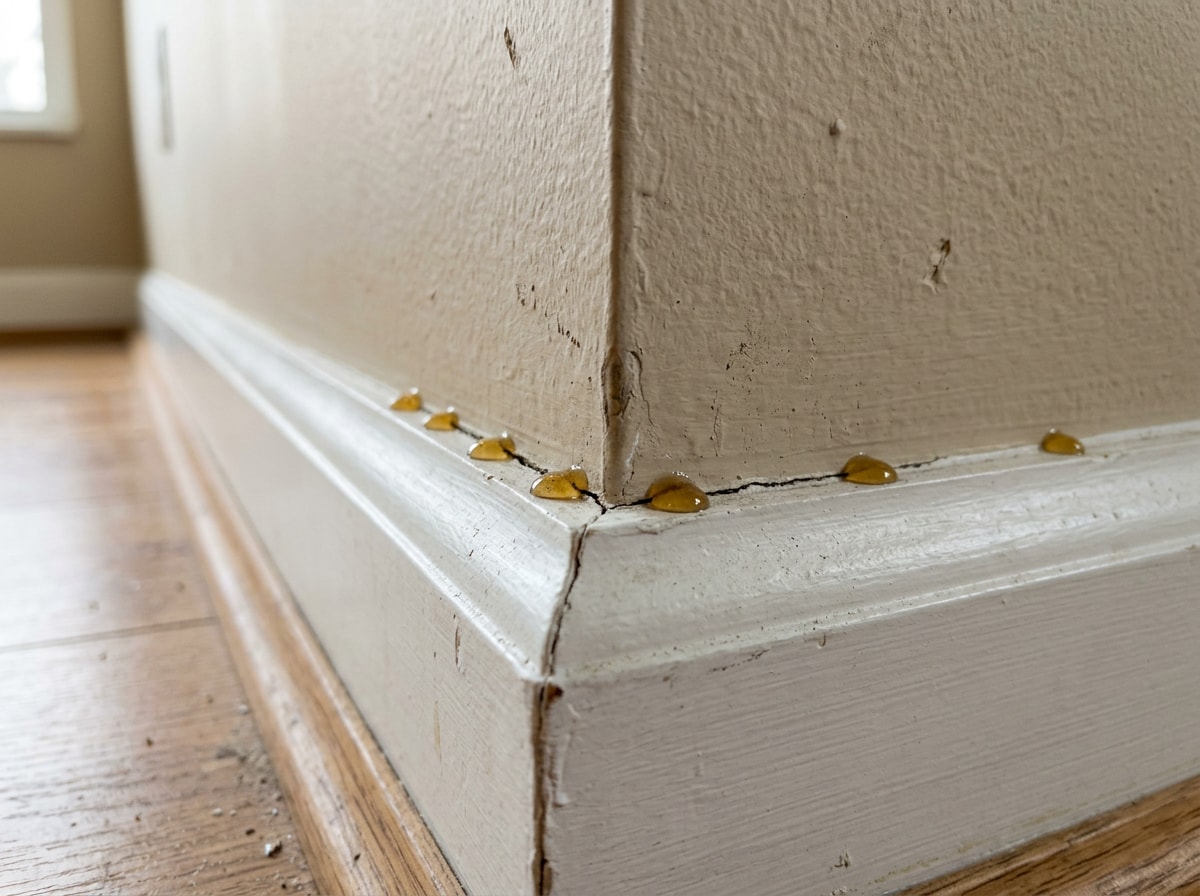
Gel bait works indoors, applied in pea-sized dots along trails, cracks, and entry points where you've spotted activity. Indoxacarb and fipronil are common active ingredients in gel bait for carpenter ants, and they're generally slow enough that foragers carry the dose back before it takes effect.
Watch for a telltale sign: if gel bait that was once taken readily suddenly sits untouched, the colony has likely shifted its feeding preference, and it's time to switch formats.
Liquid Bait Stations
Liquid bait stations pair a sugary solution with a slow-acting insecticide, often borax-based, that foragers carry back to the colony. They're a reasonable DIY option for smaller, early-stage infestations rather than a complete fix on their own. Check the label here too; plenty of popular liquid brands explicitly exclude carpenter ants.
Here's the part most buying guides skip: granular bait isn't automatically the "best" format just because it's the one aimed at protein feeders. University extension entomologists have found the opposite in practice for parts of the year. Except in spring, it may be hard to get carpenter ants to consume baits, and gel and liquid bait forms are probably more effective than granules for carpenter ants, since a sugary bait is best. That seasonal swing is exactly why checking what ants are actively trailing toward, not just following a generic "granular first" rule, matters more than any single product recommendation.
| Format | Active Ingredient | Best Feeding Phase | Indoor/Outdoor | Realistic Timeline |
|---|---|---|---|---|
| Granular | Abamectin (common) | Protein | Outdoor | 1–2 weeks |
| Gel | Indoxacarb, fipronil | Protein or carbohydrate | Indoor | Days to 1 week |
| Liquid | Borax-based sugars | Carbohydrate | Indoor/limited outdoor | 1–3 weeks |
DIY Borax Traps for Carpenter Ants
Homemade borax ant traps mix a protein attractant, think peanut butter or protein powder, with borax, since carpenter ants favor protein over sugar for much of the year. This simple ratio mimics what commercial gel and granular baits are built on, just without the polish or the slow-release coating.
Here's why the mechanism works: boric acid can kill insects if they eat it , which is the same principle behind every commercial carpenter ant bait on this page. It's also why homemade mixtures need to stay sealed and out of reach of pets and kids, even though boric acid is low in toxicity if eaten or if it contacts skin in small amounts. For full handling guidance before mixing anything at home, the National Pesticide Information Center's boric acid fact sheet is worth reading first.
Best Ant Trap Products for Carpenter Ants
Two bait formats keep showing up across independent reviews as genuinely labeled for, and effective on, carpenter ants specifically rather than general household pests.
Granular carpenter ant bait products relying on a social-feeding mechanism, where foragers share bait colony-wide instead of dying on contact, are consistently the top pick for outdoor perimeter and yard treatment because they're formulated for carpenter ants by name, not as an afterthought on a general ant label.
Indoor trap-and-bait combination products work well for households seeing ant activity in more than one room, since they combine a physical trap housing with a bait matrix that can be placed near doorways, under sinks, and along baseboards without the mess of an open gel dot.
Where to Place Carpenter Ant Traps in a Malden Home
Place traps along confirmed foraging trails, near entry points, foundation lines, firewood piles, and any damp or water-damaged wood. Refresh granular bait every 5–7 days so you're not relying on a single application to do the job.
Malden's older housing stock adds a few local wrinkles worth watching:
- Triple-deckers and pre-war homes with original wood sills near grade level, where moisture collects against the foundation
- Firewood stacked directly against exterior walls instead of up on a rack
- Basements and crawl spaces with condensation or past water intrusion
- Dying or damaged shade trees close to the house
In the homes we treat across Malden and the surrounding North Shore, the single most common nest trigger isn't the tree in the yard, it's a damp sill plate or a woodpile that's been leaning against the siding for a season too long. If you're not sure which of those apply to your property, our pest control service area page for Malden, MA covers the conditions our technicians flag most often during inspections.
What to Check Before You Buy
Before buying, confirm three things:
- The label explicitly lists carpenter ants as a target pest, not just "common household ants"
- The format matches where you'll use it, indoor versus outdoor
- The bait is designed to reach the colony and queen, not just kill visible foragers on contact
Reading the label correctly matters more than most people assume, since the active ingredient and target-pest line are usually in smaller print than the brand name on the front of the box.
When Store-Bought Traps Aren't Enough
Traps and baits can knock back a small, early-stage satellite colony. They're far less reliable against a mature parent colony, especially one nesting inside structural framing where you can't see it. Bait cups are not an effective approach for serious carpenter ant infestations, and if you see large numbers of ants indoors and suspect a severe infestation, consulting a licensed pest control firm is recommended.
If you've rotated through formats, refreshed your bait, and you're still seeing foragers two to three weeks in, that's the signal to stop troubleshooting on your own. Schedule a free inspection and a licensed technician can confirm whether you're dealing with a satellite colony, a parent nest, or both. For a closer look at how a professional treatment plan is structured, our ant treatment service page outlines what's typically involved, and homeowners further out who are weighing the same decision can see a similar walkthrough in our carpenter ant removal guide for Foxborough, MA.
FAQ
What are the most effective ant traps for carpenter ants?
Granular bait for outdoor perimeters, gel bait for indoor trails, and liquid bait stations for smaller infestations are the three formats actually built for carpenter ants. Which one works best in a given month depends on whether the colony is in a protein or carbohydrate feeding phase.
Do ant baits actually kill carpenter ants?
Yes, when the label specifically lists carpenter ants and the format matches the feeding phase. Baits labeled only for "common household ants" typically exclude carpenter ants by design and won't touch the colony.
How long does carpenter ant bait take to work?
Gel bait can show results within days; granular and liquid bait typically take one to three weeks since foragers need time to carry the dose back and share it through the colony.
How do you figure out where carpenter ants are nesting?
Look for frass (fine wood shavings), rustling sounds inside walls, winged swarmers near windows, and follow foraging trails at night, since many colonies forage more actively after dark.
Can a tree with carpenter ants be saved?
Often, yes. Ants are a sign that the tree has a more serious problem, such as decay , rather than the cause of it. Trees that are home to carpenter ants should be inspected by a qualified arborist to ensure they're not at risk of becoming hazardous, and no chemical management is recommended in trees harboring carpenter ant colonies. Overall tree health, not the presence of ants, determines whether it can recover.
What features matter most when choosing ant traps for carpenter ants?
Look for a slow-acting active ingredient, a protein or carbohydrate-matched bait matrix depending on the season, and a design small enough for workers to carry back to the nest intact.
What brands make effective ant traps for carpenter ants?
Granular bait products built specifically for colony-wide feeding, and indoor/outdoor trap-and-bait combinations, are the two categories that consistently perform best on carpenter ants. For a property-specific recommendation instead of guessing on a store shelf, schedule an inspection with our team, or start by browsing our full pest control services and homepage for service areas near Malden.