Wildlife control near me in Somerville, MA is usually the search that happens at 2 a.m., right after something starts scratching above the bedroom ceiling. Somerville's triple-deckers, tight lot lines, and nearby green spaces put raccoons, squirrels, bats, and skunks in close contact with homes here. Here's what a licensed technician actually does on these calls, and what Massachusetts law says you can and can't do yourself.
Common Wildlife Problems in Somerville, MA
Three animals generate most of the calls in Somerville's dense neighborhoods: raccoons, squirrels, and bats. Each behaves differently, so each needs its own removal approach rather than a one-size-fits-all trap.
Raccoon Removal in Somerville
Raccoons get into Somerville homes through accessible garbage, loose garage doors, and soft attic entry points on older triple-deckers. Signs of raccoon activity in an attic include heavy nighttime thumping, matted insulation, and a strong odor near a chimney or soffit.
Our technicians see the same pattern across Somerville almost every spring: a mother raccoon dens in an attic through a gap where a roofline meets a bay window, then stays put until the entry is sealed. A typical job runs like this:
- Inspect the attic and exterior for the entry point and any young
- Set traps or one-way doors, then check them every morning
- Confirm the den is fully empty, including dependent young
- Seal the entry within 24 to 48 hours of confirmed clearance
Our wildlife removal service covers this process from inspection through final seal, and you can schedule a free inspection before anything is trapped.
Squirrel Removal in Somerville, MA
Squirrels are the most frequent attic intruder in the area, chewing wiring and insulation as they build nests near roof edges and soffits. Squirrel cases usually involve live trapping followed by exclusion work at the fascia and roofline gaps the animals used to get in. See our general wildlife removal page for how we scope a squirrel job.
Bat Removal in Somerville
Bats enter through narrow roof and vent gaps, and a colony requires one-way exclusion devices rather than standard traps, since bats can't legally be hand-captured in Massachusetts. Timing matters more here than with any other nuisance animal.
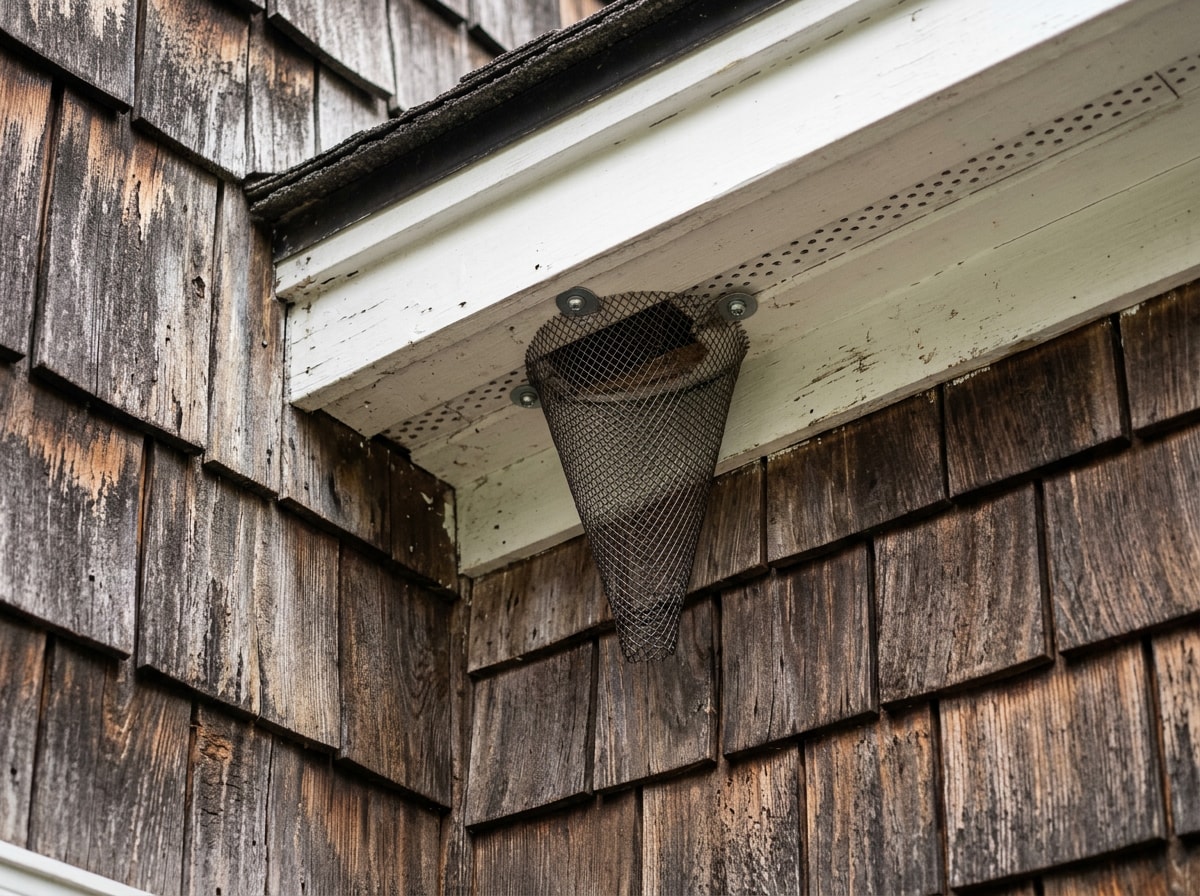
In Massachusetts, attempts to exclude bats from a home can only be made in the early spring, during the month of May, or in the late summer, from August 1 to October 15 , when flightless pups aren't present. Outside those windows, sealing a structure can trap young bats inside with their mothers. For more on how this plays out on an actual job, see our guide to bat control near me in Winthrop, MA.
| Season | Approximate Dates | Bat Exclusion Allowed? |
|---|---|---|
| Early spring | May | Yes |
| Summer maternity season | June – July | No |
| Late summer / fall | Aug 1 – Oct 15 | Yes |
| Winter | Nov – April | No |
How Professional Wildlife Removal Actually Works
Wildlife work happens in two stages: get the animal out safely, then seal the building so it can't get back in. Skip either step and you'll likely get a repeat call within a season.
Humane Trapping and On-Site Handling
Most marketing copy in this industry promises "humane trapping and relocation." That phrase is misleading in Massachusetts. Massachusetts law prohibits moving any live wild animal from one place to another.
Squirrels, raccoons, and other wildlife can return from translocations of 5, 10, or even 15 miles, and relocated animals are more likely to be killed by cars or die from other accidents while trying to find their way back.
In practice, that means a trapped nuisance animal is either released on the same property once it's clear of the structure, or handled by a licensed Problem Animal Control agent under state guidelines, not driven to a park across town. Any wildlife company that advertises "relocation services" as its main selling point in Massachusetts is glossing over this rule.
Exclusion: Sealing the Building for Good
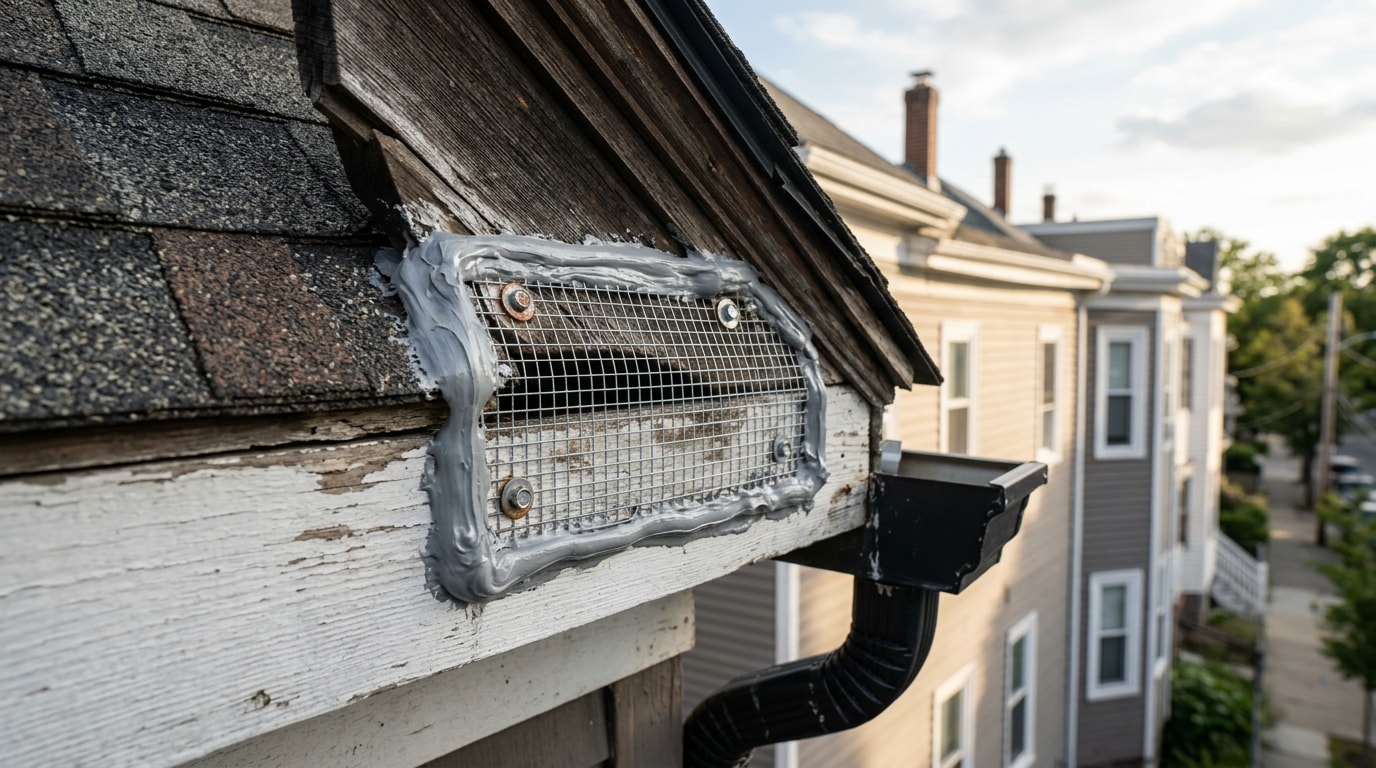
Exclusion is the sealing work: closing gaps around vents, rooflines, and chimney caps so a new animal can't move in once the current one is gone. This step only starts after every occupant, including any young, is confirmed clear of the structure. Our exclusion work service covers this for raccoons, squirrels, and bats alike.
Massachusetts Wildlife Laws Somerville Homeowners Should Know
Beyond the relocation rule above, two other legal and health points come up constantly on Somerville calls.
Raccoons and bats both carry meaningful rabies risk. Wild animals account for more than 90% of reported rabies cases, with bats, raccoons, skunks, and foxes most often exposing Americans to the virus.
The best way to avoid rabies is to keep your distance from wildlife , which is exactly why DIY trapping of a raccoon or bat colony is a bad idea even where it's technically legal.
Somerville's own animal control department makes the relocation point directly to residents, not just to pest companies: moving a wild animal out of the city instead of handling it on-site is against state law, full stop. If a company offers to "catch and release" a raccoon somewhere else in Massachusetts, that's a sign to ask more questions before you hire them.
Preventing Wildlife From Coming Back
Exclusion work solves the current problem. A few habits help keep the next animal from trying the same entry point:
- Secure trash bins with locking lids or bungee cords, and limit how long they sit outside
Remove nearby resources that attract wildlife: birdfeeders, birdbaths, pet food, watering bowls, and unsecured garbage containers
Enclose compost that includes fruit and vegetable scraps in pest-proof bins
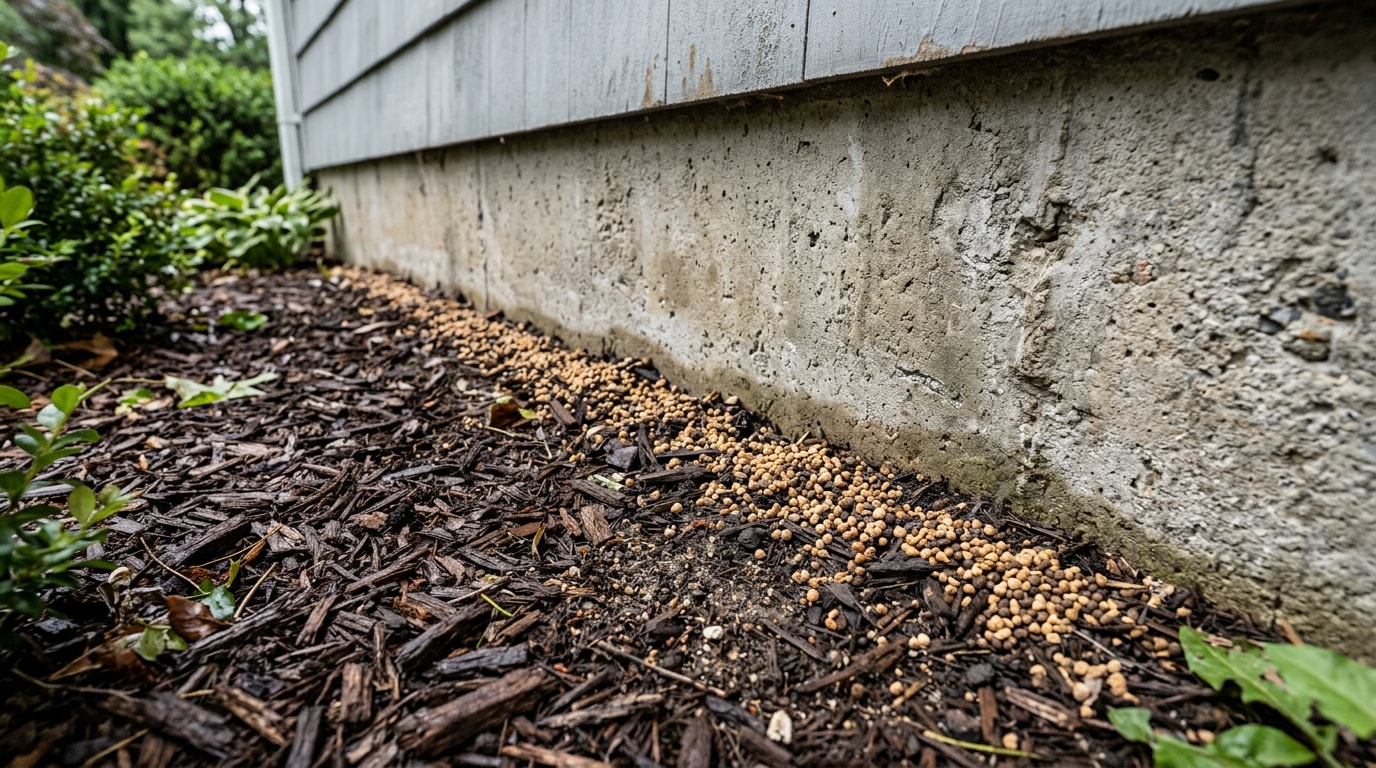
Clear brush, debris, and rock piles that provide cover near the foundation
- Check attic vents, soffits, and chimney caps once a year for new gaps
If rodents rather than raccoons are the recurring issue, our rodent control service covers the trapping and sealing side of that problem separately from the wildlife work above.
Lighthouse Exterminators handles wildlife and pest calls across Somerville and the wider Boston area under Massachusetts licensing requirements for both pest and problem animal work. If you're not sure whether what's in your attic is wildlife, rodents, or something else, schedule a free inspection and we'll sort it out on-site. You can see more of our service area and full list of offerings on our homepage.
FAQ
What qualifies as a nuisance animal in Massachusetts?
A nuisance animal is wildlife causing property damage, a health risk, or a safety concern, such as a raccoon nesting in an attic or a skunk denning under a porch. State rules govern how these animals can be trapped and handled, including the restriction on relocating them.
Can I legally trap and relocate a raccoon or squirrel myself in Somerville?
No. Massachusetts law prohibits moving any live wild animal from one place to another , and that applies to homeowners as well as professionals. A trapped animal has to be released on the same property or handled by a licensed agent, not driven elsewhere.
When can bats legally be removed from a home in Massachusetts?
Exclusion work is only allowed in the early spring, during the month of May, or in the late summer, from August 1 to October 15 . Outside those windows, sealing a structure risks trapping flightless pups inside.
Does Somerville have a rat problem?
Yes. Dense urban areas like Somerville see steady rodent activity tied to trash access and older building foundations. This is treated as a separate rodent control issue from the larger mammal wildlife concerns covered above.
What kind of wild animals live in Somerville, MA?
Common nuisance species in Somerville include raccoons, squirrels, bats, skunks, and opossums, all of which adapt well to dense city blocks and older housing stock.
How much does wildlife control cost in Somerville?
Cost varies by animal type, how severe the infestation is, and how much exclusion work the structure needs. Request a free quote for a price specific to your situation.