
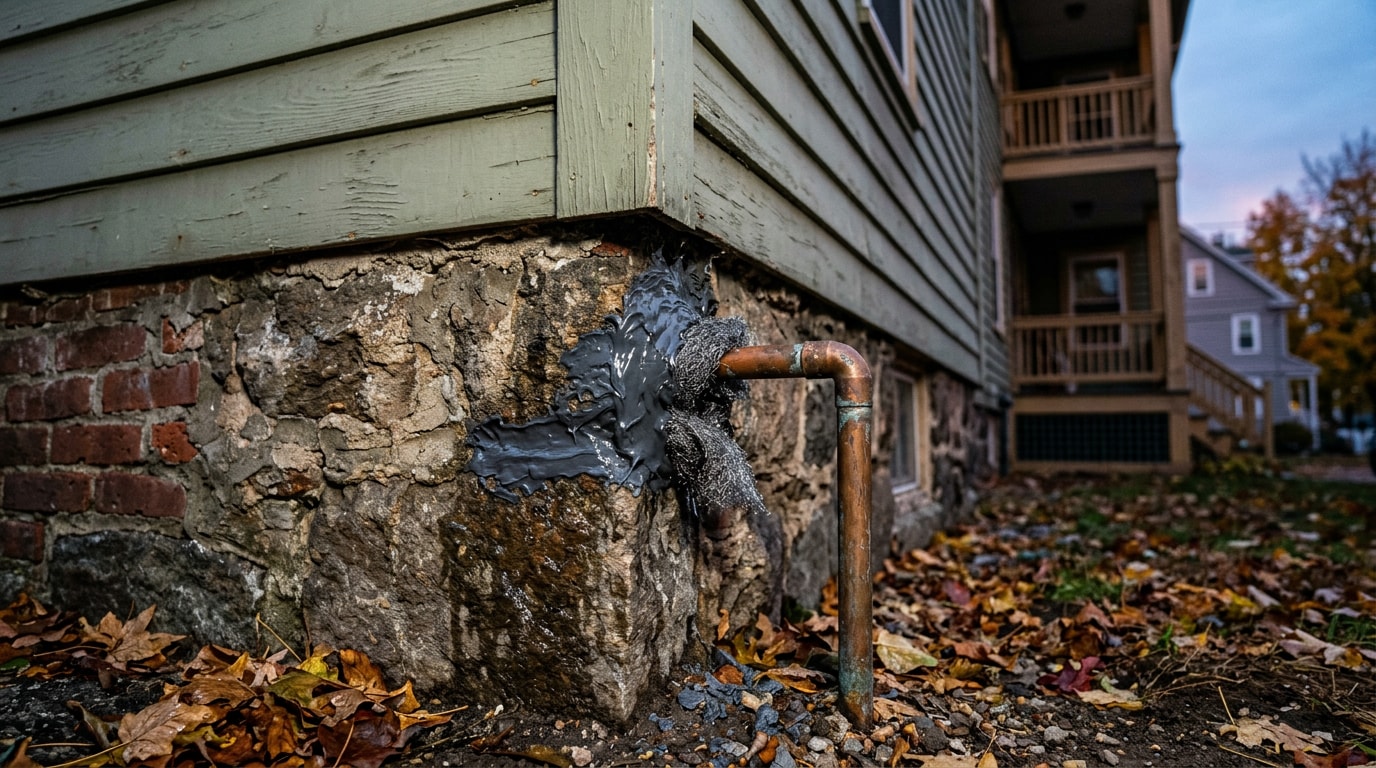
If you're trying to get rid of field mice permanently in your Brighton, MA home, trapping alone won't cut it. You need to identify the species, remove what's attracting them, and seal the building the way a technician would. This guide breaks down each step, including the one identification detail most pest sites get wrong about field mice in Massachusetts.
I'm Marcus Doyle, lead rodent technician at Lighthouse Exterminators. After years opening wall cavities in triple-deckers around Oak Square and Brighton Ave, I can tell you the mice homeowners call "field mice" here are almost never the species national blogs describe.
Visit Lighthouse Exterminators LLC to see our services and request a free estimate.
Signs You Have a Field Mice Infestation
Droppings near food sources, gnaw marks on wood or wiring, shredded nesting material in quiet corners, and greasy smudges along baseboards are the clearest signs of a mouse problem. Scratching inside walls at night, especially as temperatures drop in fall, usually confirms it.
Brighton homeowners tend to notice these signs most between September and November, when mice move indoors looking for warmth. Fresh droppings are dark and moist; older ones turn dry and crumbly. A smudged grease trail along a wall comes from the oils in a mouse's fur repeatedly traveling the same route, which points to an established path rather than one stray visitor.
If you're seeing one or two of these signs, assume the infestation is already underway rather than just starting.
Field Mouse vs. House Mouse: The ID Detail Brighton Guides Get Wrong
Most pest control articles use "field mouse" and "deer mouse" interchangeably, then cite national hantavirus statistics as if they apply equally everywhere. In eastern Massachusetts, that's misleading.
Massachusetts state wildlife records show the two species aren't distributed the same way. The white-footed deermouse is found statewide, while the North American deermouse is known with certainty only from Berkshire, Franklin, and Hampshire counties, and is easily confused with the white-footed deermouse. Brighton sits in Suffolk County, nowhere near those western counties. That means the "field mouse" caught in a Brighton basement trap is almost always a white-footed mouse, not the true deer mouse most hantavirus warnings are written about.

The two species share a general look but behave differently indoors.
| Feature | Field Mouse (White-Footed/Deer Mouse) | House Mouse |
|---|---|---|
| Coloring | Bicolor, brown on top, white underneath | Solid gray-brown |
| Tail |
Distinct separation between brownish back and white belly, with sharply bicolored tails
| Single color, scaly |
|---|
| Eyes & ears |
Larger eyes and ears than house mice, and no characteristic mousy odor
| Smaller, musky scent present | ||
|---|---|---|
| Preferred spots | Garages, sheds, woodpiles, basements near exterior walls | Kitchens, wall voids, anywhere food is reliable |
| Habitat origin | Wooded or grassy areas outside | Adapted to indoor human environments |
This distinction matters for more than trivia. It changes how seriously you treat cleanup and whether you need professional help right away. A rodent control technician can confirm which species you actually have before you commit to a treatment plan.
Health and Property Risks of Field Mice
Mice damage homes two ways: they chew through insulation, drywall, and structural wood, and they gnaw on electrical wiring, creating a real fire risk inside walls and attics. Their droppings and urine also carry pathogens that pose genuine health risks.
Field mice and white-footed mice specifically carry more risk than a typical house mouse. The CDC's own hantavirus pulmonary syndrome data shows HPS is fatal in nearly 4 in 10 people who are infected , and historically most cases have occurred in the western half of the country . The risk in Massachusetts is lower than in the Southwest, but it isn't zero, which is exactly why correct species ID and careful cleanup matter more here than most local guides admit.
Dried droppings can release airborne particles, and allergens from mouse dander are known to worsen asthma in children. Never dry-sweep or vacuum droppings in a space with suspected field mouse activity; disturbing dried waste is the primary way these particles become airborne.
Delayed removal rarely saves money. What starts as a scratching sound behind a refrigerator can turn into chewed wiring and contaminated insulation within months. A rodent damage assessment can tell you how far it's already gone before you start tearing into walls yourself.
How to Get Rid of Field Mice Permanently: Step-by-Step
Permanent removal takes four steps done in order. Skipping the sequence is why most DIY attempts fail and mice come back within a season.
- Inspect first. Walk the foundation, basement, and attic looking for droppings, gnaw marks, and grease trails to find where mice are actually entering and nesting.
- Remove attractants. Store pet food and pantry items in airtight containers, use sealed trash cans, and clear woodpiles and dense vegetation away from exterior walls.
- Trap along the walls. Place snap traps perpendicular to baseboards with the bait end facing the wall, since mice travel along edges rather than open floor space.
Opening size and what exclusion material to use are among the key considerations once you're ready to seal entry points .
- Seal every gap. Use steel wool packed into cracks, then cover with caulk or hardware cloth, since mice can't gnaw through either material easily.
Sealing without trapping first just locks active mice inside. Trapping without sealing just invites replacements. Both steps have to happen for the removal to actually be permanent.
Mouse-Proofing Checklist for Brighton Homes
Once trapping slows and sightings stop, lock the house down with these steps:
- Seal foundation gaps around pipes, vents, and utility lines with steel wool and caulk
- Trim vegetation and stack woodpiles away from exterior walls
- Remove standing water sources near the foundation
- Use sealed, rodent-proof trash cans outdoors
- Store pet food and pantry items in airtight containers
- Declutter garages, basements, and attics where nesting material collects
- Install door sweeps on exterior doors, including garage doors
Official hantavirus prevention guidance from the National Park Service recommends sealing any gap greater than one quarter of an inch to keep rodents out, which is a tighter standard than most homeowners assume when they're doing their own exclusion work.
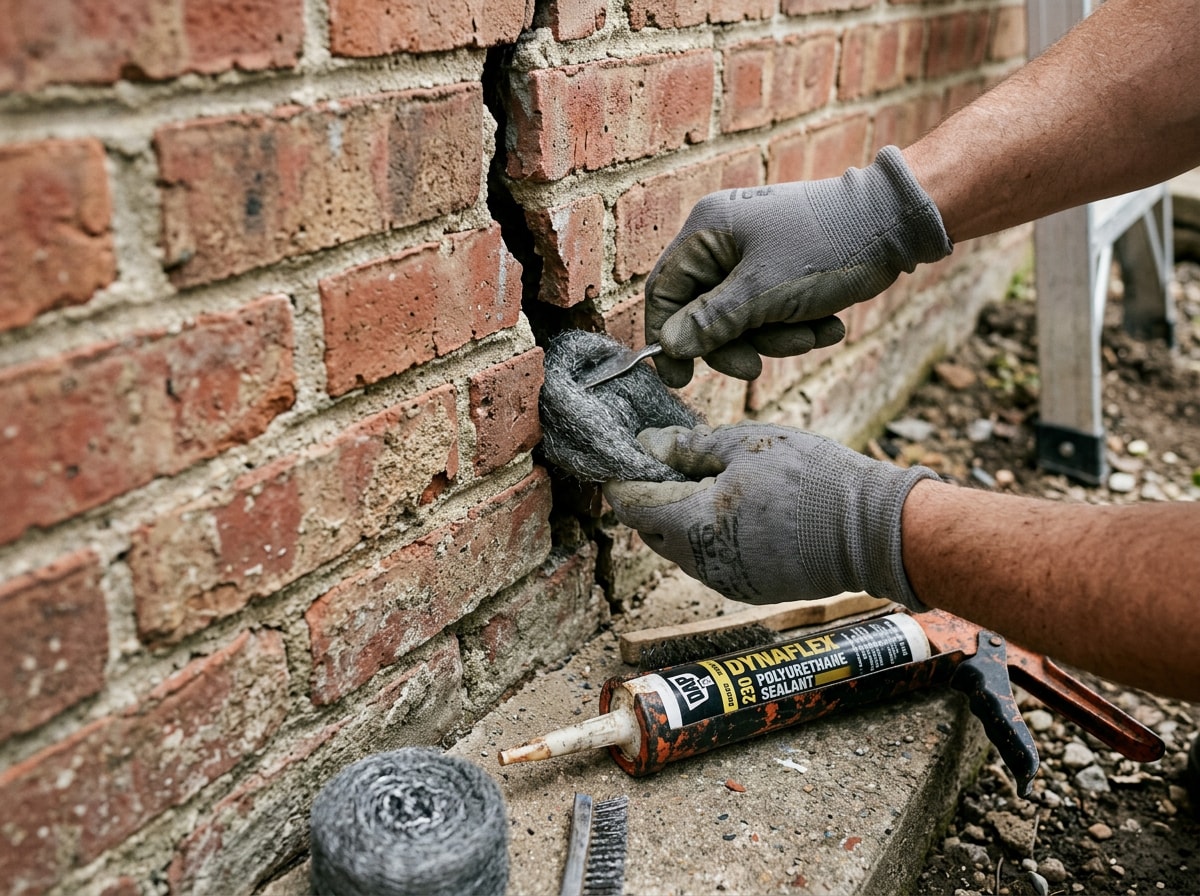
Exclusion is prevention, not a cure. If mice are already living inside your walls, sealing gaps alone won't remove them, it just stops reinforcements from arriving. For older Brighton triple-deckers with fieldstone or brick foundations, full foundation sealing and attic sealing and exclusion usually does more than caulk alone.
When DIY Isn't Enough: Professional Field Mouse Control
Professional mouse control works in tiers: inspection, exclusion repairs, strategic trap placement, and monitoring visits to confirm the problem is resolved. DIY traps and sealing handle small, early infestations, but they often miss nests hidden inside wall voids or attic insulation.
Call a licensed technician when:
- Fresh droppings keep appearing after two to three weeks of trapping
- You hear activity in multiple rooms, not one isolated area
- Scratching continues after you've sealed every visible gap
- You suspect a field mouse (white-footed or deer mouse) nest and need safe cleanup, not just removal
At that point, continuing to DIY usually just delays the inevitable and gives mice more time to cause damage. A full exclusion work package combined with rodent extermination addresses both the mice already inside and the gaps letting new ones in. If moth balls or other home remedies haven't worked for you, our guide to whether moth balls actually keep mice away explains why most store-bought deterrents underperform compared to sealing and trapping.
Lighthouse Exterminators services Brighton and the surrounding Boston area; you can check our Brighton, MA service area page for coverage details.
Ready to stop guessing? Schedule a free inspection and we'll confirm the species, find every entry point, and build a removal plan that actually holds through winter.
FAQ
How do you get rid of field mice in your house?
Identify entry points and signs of activity, place traps along walls where droppings or grease marks appear, then seal every gap you find once trapping slows down. If sightings continue after a few weeks, a licensed exterminator can locate hidden nests you may have missed.
What is the 5 day mouse rule?
If a trap hasn't caught anything after five days in a spot with clear signs of activity, move it to a new location. It keeps you from wasting time on trap placement that isn't actually along an active mouse path.
How do you encourage mice to leave?
Make your home less appealing rather than relying only on traps. Remove accessible food, use bright lights or a radio in dark nesting areas, and place scent deterrents like peppermint oil near suspected nests. This can encourage mice to leave on their own over time, though it won't stop new ones from entering through unsealed gaps.
What do field mice hate the most?
Field mice generally avoid strong scents like peppermint oil, cloves, and ammonia, along with well-lit, dry spaces that feel exposed. Reducing clutter and moisture removes the cover and humidity that make a space feel safe to them.
Will field mice leave on their own in winter?
Rarely, once they've nested indoors. Outside temperatures are exactly why they came in, so a warm wall void or attic gives them no reason to leave voluntarily. Removing food access and sealing gaps forces the issue; waiting usually just means more mice by spring.
Is the field mouse in my Brighton home actually a deer mouse?
Probably not. Massachusetts wildlife records list the true deer mouse as confirmed only in Berkshire, Franklin, and Hampshire counties, far from Brighton. What homeowners here call a "field mouse" is almost always the white-footed mouse, a close relative with similar coloring but a different confirmed range.
Field mice rarely stay confined to one room, and the longer an infestation sits, the more of your home it touches. For a full inspection of your Brighton property, visit our homepage or go straight to scheduling a free inspection.