Insect pest control in Arlington, MA usually comes down to one of a handful of repeat offenders: carpenter ants in older triple-deckers, bed bugs in shared-wall apartments, and termites hiding in damp basements near the Mystic Valley Parkway. This guide breaks down what each pest looks like, what treatment actually costs in 2026, and how to vet an exterminator before you sign anything. You can also browse the full pest control service lineup or jump straight to scheduling a free inspection.
Common Insects Arlington Homeowners Deal With Each Year
Arlington's mix of early-1900s housing stock, wooded parkland near the Reservoir, and dense residential blocks creates year-round pest pressure. The pests we get called about most often include:
- Carpenter ants - large black ants tunneling through moist or decaying wood framing
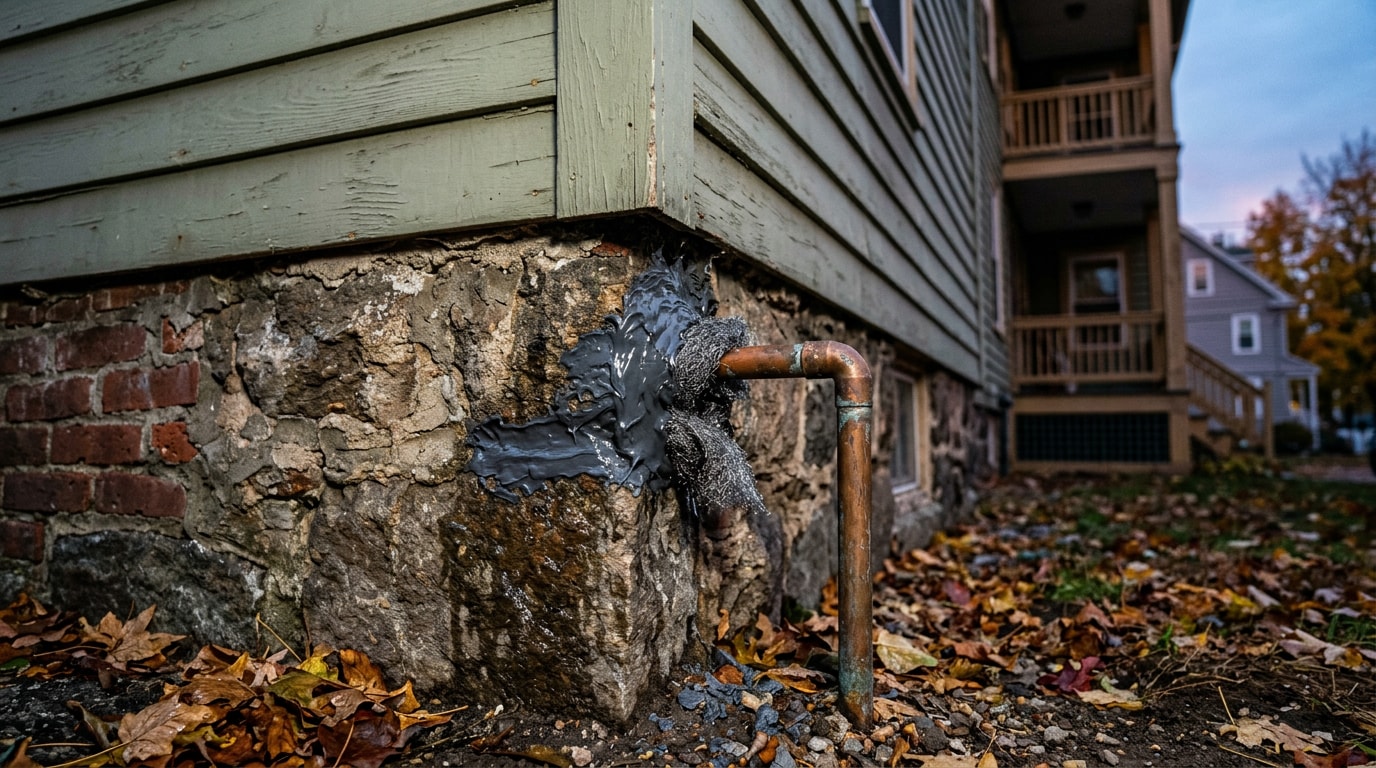
- Termites - subterranean colonies that target foundation sills and damp crawl spaces
- Bed bugs - a near-constant issue in rental units and condos with shared walls
- Cockroaches - drawn to kitchens, basements, and older plumbing chases
- Mosquitoes - heaviest from late May through September near standing water
- Wasps and yellow jackets - nesting in eaves, siding gaps, and attic vents
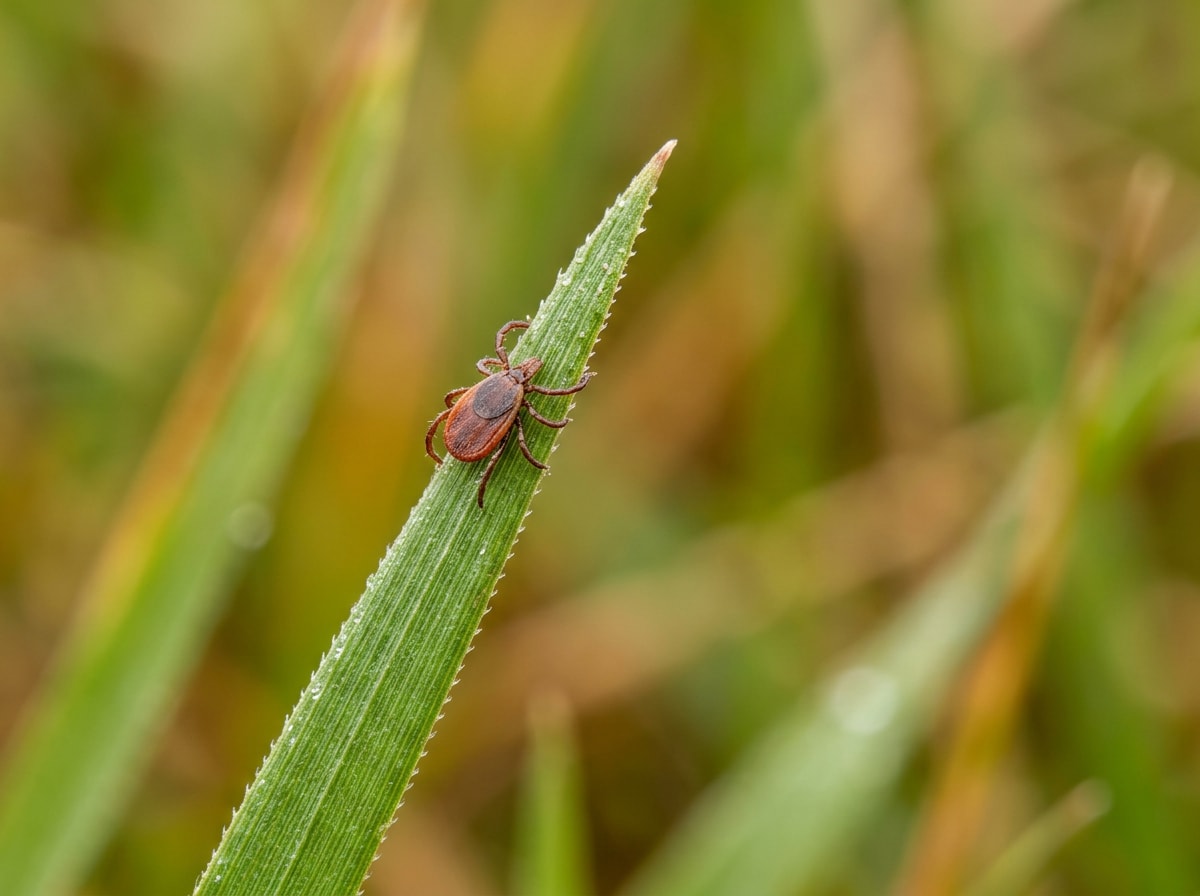
- Ticks - active in tall grass and brush bordering yards near Spy Pond and the Minuteman Bikeway
Each of these has its own treatment path, and mixing them up (treating for ants when it's actually termites) wastes money and time. The sections below walk through identification and treatment for the pests that generate the most calls.
Bed Bug Treatment in Arlington, MA
Bed bugs are consistently the most urgent search among Arlington renters, and for good reason. They move easily between units in multi-family buildings and resist do-it-yourself fixes. If you're researching bed bug treatment, understand the inspection process, realistic costs, and your legal standing before hiring anyone.
The Standard Protocol
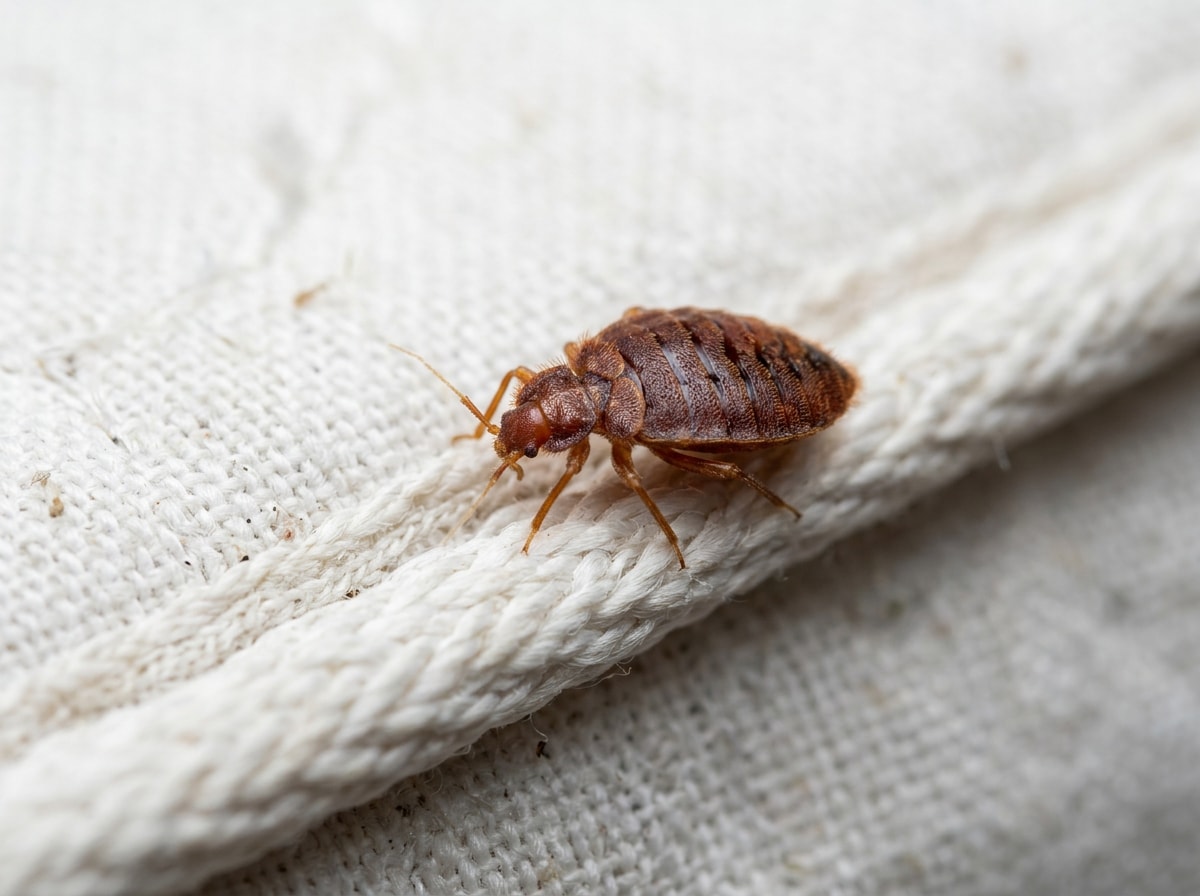
A proper bed bug inspection starts with a visual check of mattress seams, box springs, and furniture joints, sometimes backed up by canine detection. Once confirmed, licensed providers generally recommend an integrated pest management approach that pairs physical controls with targeted products, since the EPA notes that controlling bed bugs takes time and patience, and that non-chemical methods alone are often difficult and less effective . Heat treatment, targeted chemical application, or a combination of both gets chosen based on the unit's layout and severity.
Before treatment day, tenants are usually asked to bag linens, vacuum thoroughly, and declutter so technicians can reach every hiding spot. Skipping prep is one of the most common reasons a first treatment fails.
What Bed Bug Treatment Costs in 2026
| Treatment Type | Single-Family Home | Apartment / Condo Unit |
|---|---|---|
| Chemical spot treatment (1 room) | $300 - $600 | $350 - $700 |
| Whole-home heat treatment | $1,500 - $3,500 | $1,800 - $4,000 |
| Follow-up confirmation visit | $75 - $150 | $75 - $150 |
Pricing climbs with square footage, infestation severity, and whether heat equipment needs to be brought in. Triple-decker and condo buildings sometimes see higher per-unit costs because treatment has to be coordinated across shared walls. Browse our bed bug heat treatment and bed bug extermination pages for specifics on each method.
Who Pays for Bed Bug Treatment in an Arlington Rental
Massachusetts treats bed bugs as a sanitary code issue, not a tenant-negligence issue, in most multi-unit buildings. Under the state's housing rules, landlords are responsible for eradicating insects as required by the State Sanitary Code , with the relevant section being 105 CMR 410.550, which covers extermination of insects, rodents, and skunks . Tenants are generally expected to cooperate with inspection access and prep steps, but the cost of treatment itself falls on the property owner in buildings with two or more units. Review the Massachusetts bed bug sanitary code guidance for the full breakdown before a dispute comes up, since lease terms and local board of health rules can vary.
Carpenter Ants vs. Termites: How to Tell Them Apart
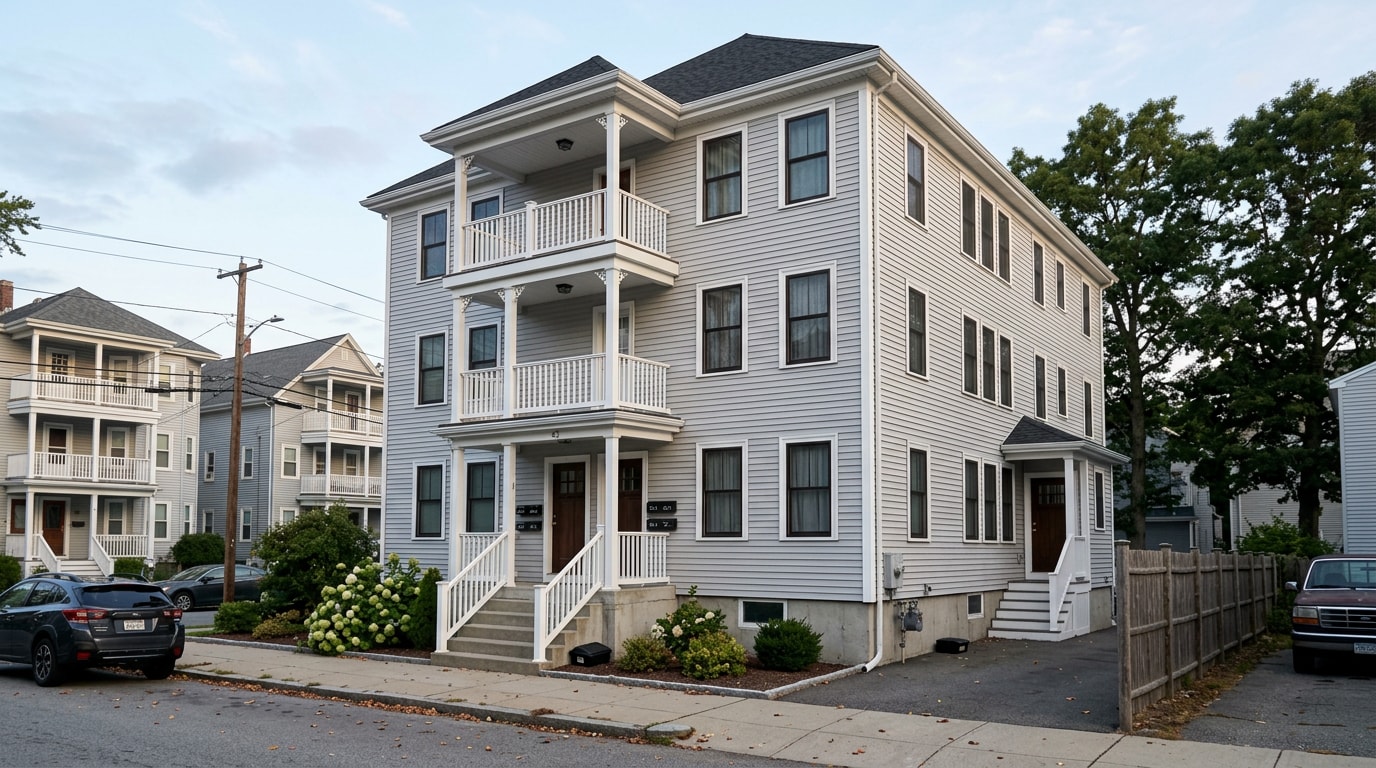
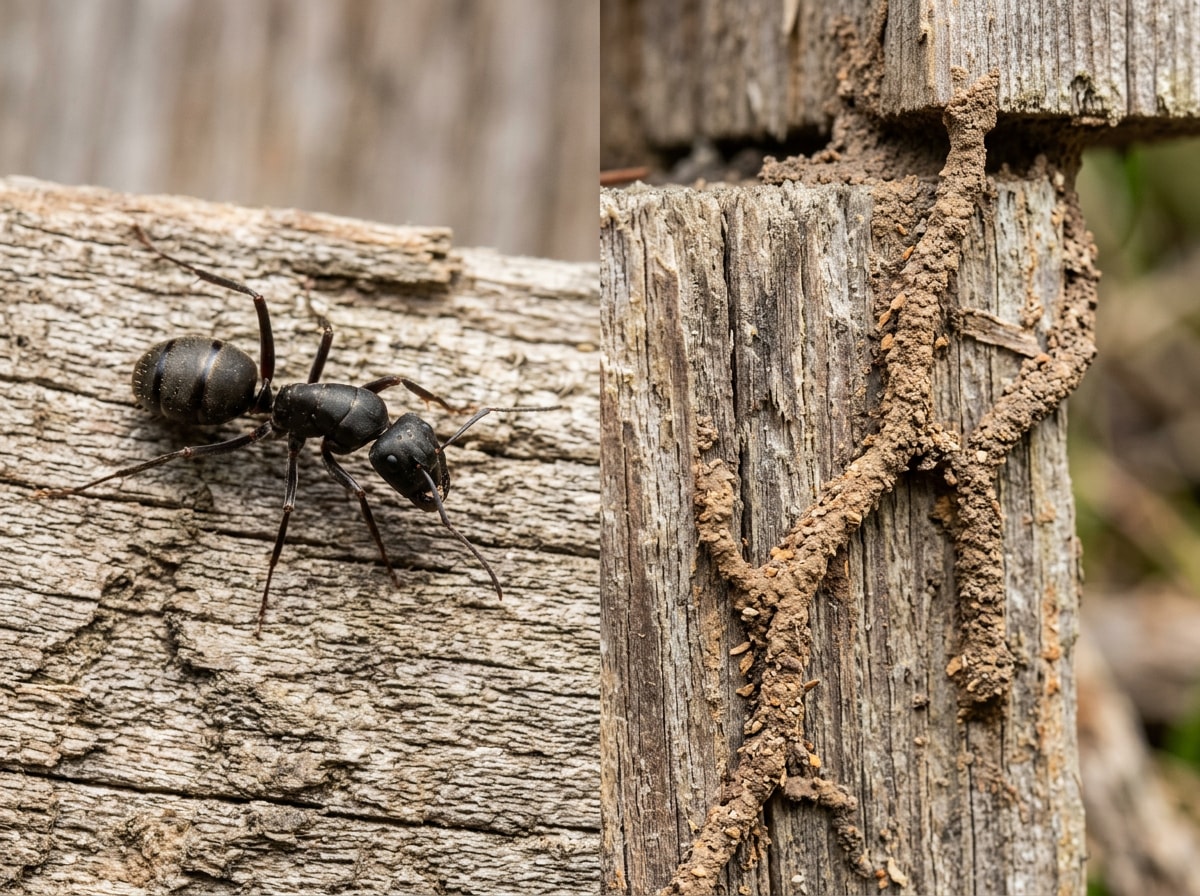
These two get confused constantly, and the mix-up matters because the treatments are completely different. In the Arlington homes we've inspected near Mass Ave and the Heights, the single most common September call is a homeowner convinced they have termites when sawdust-like debris near a windowsill actually points to carpenter ants.
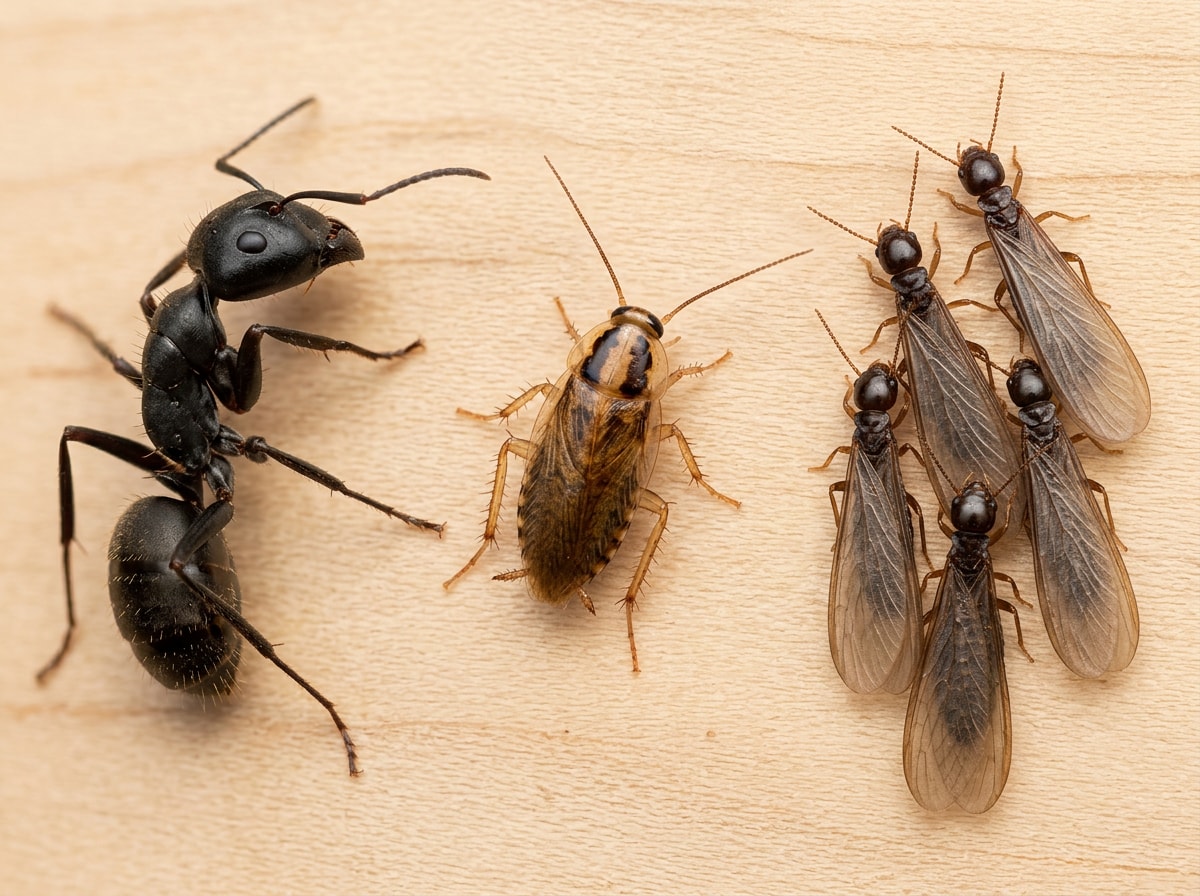
Carpenter ants don't eat wood, they excavate it. According to New Hampshire's extension entomology program, carpenter ant galleries are excavated to rear young and, unlike termite galleries, are left clean with smooth walls instead of being packed with mud-like material . Termites, by contrast, leave mud tubes along foundations and consume the wood itself, which is what causes structural damage over time.
Quick identification checklist:
- Antennae: ants have elbowed antennae; termites have straight, bead-like antennae
- Waist: ants have a narrow, pinched waist; termites are thick-waisted
- Wings: on ants, front wings are noticeably longer than hind wings; on termites, all four wings are roughly equal length
- Debris: carpenter ants leave sawdust-like shavings; termites leave mud tubes and discarded wings
Catching either early prevents the kind of structural repair bill that turns a $300 treatment into a $10,000 problem. For step-by-step identification and treatment timing, our carpenter ant exterminator guide for Foxborough, MA covers the same species active across eastern Massachusetts. For the services themselves, see ant extermination, termite treatment, and termite damage inspection.
Cockroach Control in Arlington Homes
Roaches aren't just unpleasant, they carry bacteria and allergens that can worsen asthma, especially in kids. An effective cockroach treatment plan combines bait placement, crack-and-crevice sealing, and a follow-up visit to confirm the infestation is actually gone rather than just knocked back temporarily. See our roach treatment page for the process we use on Arlington kitchens and basements.
Mosquito, Tick & Stinging Insect Season in Massachusetts
Mosquito season in Arlington runs roughly late May through September, and seasonal yard treatments can noticeably cut down on bites during outdoor gatherings. Bees and wasps are a separate concern: removing an active nest without the right gear can trigger painful stings or allergic reactions, so a nest near an entryway or inside a wall void is a job for a licensed technician.
Ticks are the bigger public health concern. Massachusetts is home to several tick species, and the deer tick is the primary carrier of Lyme disease in the state. Nationally, more than 80,000 Lyme disease cases are reported to the CDC each year , and insurance claims data suggest the true number of people treated annually may be closer to 476,000 . A treated lawn perimeter reduces the odds of ticks hitching a ride indoors on kids or pets. Full data by year is tracked through the CDC's Lyme disease surveillance program, which is worth a look if you spend time in wooded or grassy areas around the Reservoir or the bike path.
Relevant services: mosquito extermination, hornet & wasp extermination, and bee control.
How to Choose a Licensed Exterminator in Arlington
Not every exterminator operates the same way, and vetting a provider before you sign a contract matters more than the glossy website. Look for:
- Transparent phone pricing before a technician arrives, not a vague "we'll quote on-site" answer
- A clear satisfaction guarantee with a defined re-treatment window
- EPA-registered products, meaning they've been evaluated for safety and effectiveness. The agency maintains a searchable database of
more than 300 pesticide products in seven chemical classes registered specifically for bed bug control , and similar registration standards apply across other insect treatments. Review the EPA's pesticide registration standards for how that evaluation works.
- On-staff entomologists or trained identification specialists, who can tell a carpenter ant from a termite on the first visit instead of guessing
- A track record in your specific housing type, since triple-deckers and single-family homes need different access and sealing strategies
Ask any provider directly which products they use and whether treated areas need to stay off-limits temporarily, particularly in households with young kids or pets. For deeper inspection services, see general pest inspection, residential pest inspection, commercial property pest inspection, and exclusion work for sealing entry points after treatment.
What a Free Pest Inspection Includes
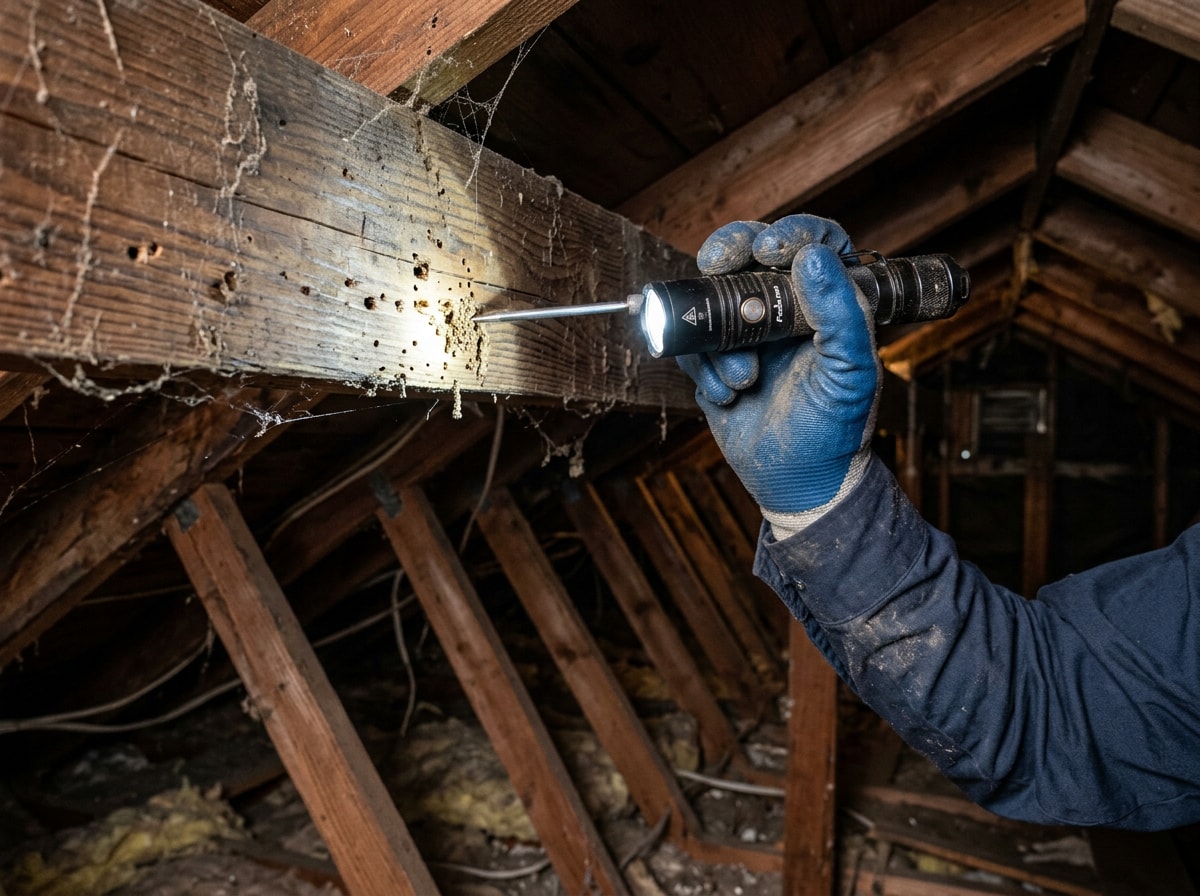
A reputable company offers a free initial inspection where a technician walks the property, identifies entry points and active pest signs, and outlines a treatment plan with pricing before any work begins. It's a low-commitment way to get a professional read on what's actually happening in your home, whether that's an active carpenter ant colony or just seasonal ant foraging.
Schedule a free inspection to get a plan specific to your property, or visit the Arlington, MA service page to confirm coverage in your neighborhood. If you're just over the line in Belmont, the same team and pricing structure applies. You can also browse Lighthouse Exterminators directly to see every service area and treatment option in one place.
FAQ
What bugs are common in Massachusetts?
The most common household pests in Massachusetts are carpenter ants, termites, bed bugs, cockroaches, and mosquitoes, with activity peaking in spring and summer. Ticks are also a major seasonal concern in yards and wooded areas, though they're arachnids rather than insects.
How much does insect pest control cost in Arlington?
General pest control for common household insects typically runs $100-$300 per visit. Specialized treatments cost more: bed bug treatment ranges from $300 for a single-room chemical job to $3,500+ for whole-home heat treatment, and termite treatment typically starts around $800 depending on the method and property size.
What's the difference between pest control and wildlife removal?
Pest control targets insects and small infestations through extermination methods, while wildlife removal focuses on larger animals like squirrels, raccoons, or bats and generally uses humane trapping and relocation instead. Some providers handle both, but the techniques and licensing differ.
How do I know if I have carpenter ants or termites?
Check the antennae and waist first. Ants have elbowed antennae and a narrow, pinched waist, while termites have straight antennae and a thick, uniform waist. Carpenter ant damage looks like clean, smooth tunnels with sawdust-like debris nearby, while termite damage includes mud tubes and no debris, since they consume the wood.
Who is responsible for bed bug treatment in an Arlington rental?
In buildings with two or more units, Massachusetts law places the responsibility, and typically the cost, on the landlord under the State Sanitary Code. Tenants are expected to cooperate with inspection access and treatment prep, but single-family rentals can shift more responsibility to the tenant depending on lease terms.
Are insect pest control treatments safe for kids and pets?
Reputable providers use EPA-registered, low-toxicity products applied in ways designed to minimize exposure. Always ask a provider directly about re-entry times and which specific products they're using before treatment day.