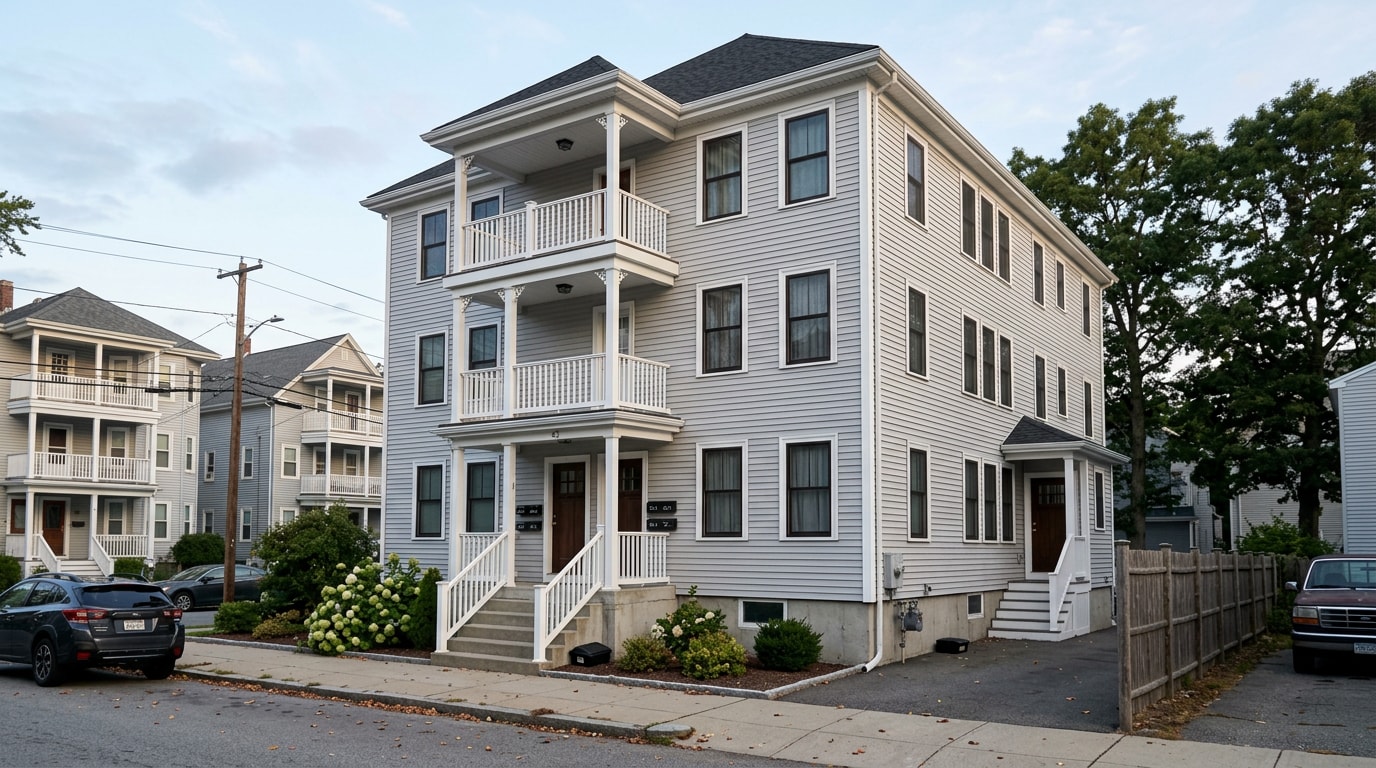
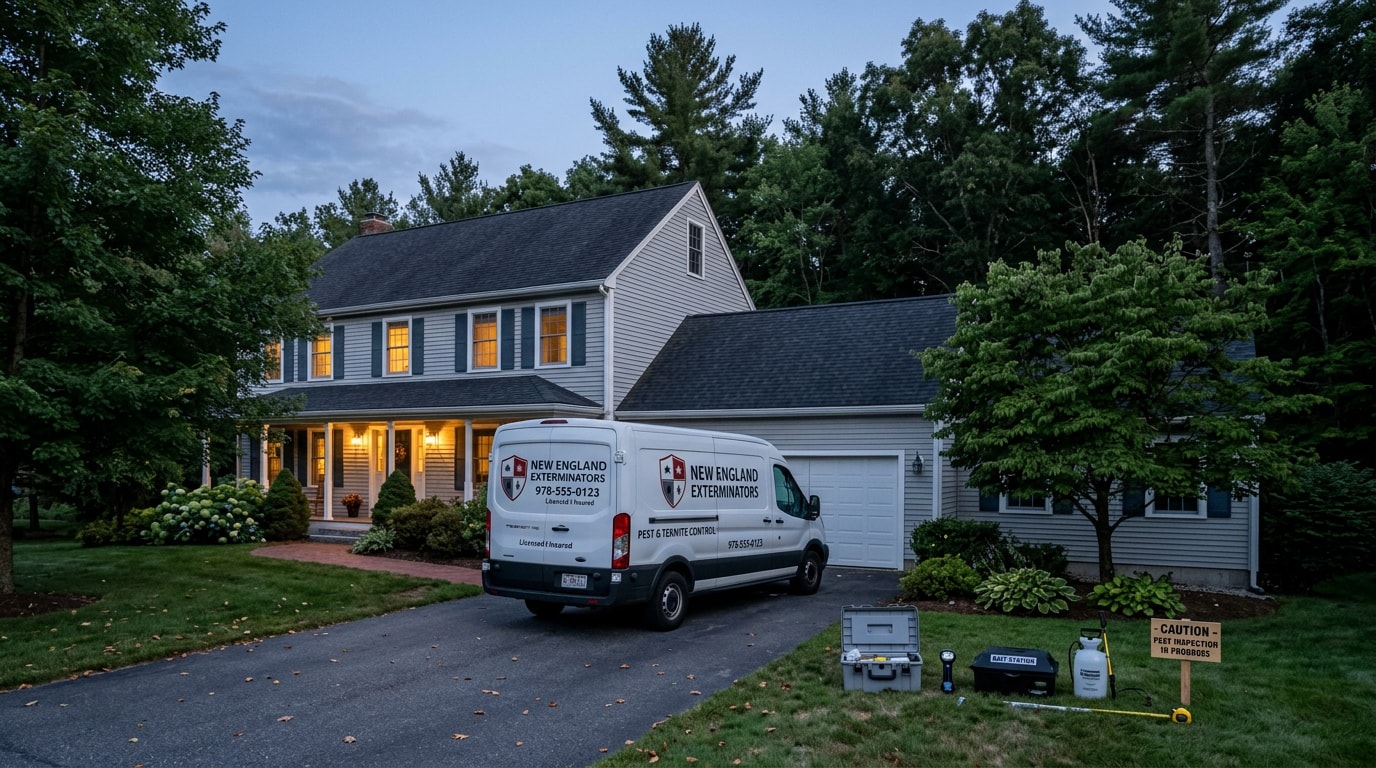
If you're searching for animal pest control Mansfield, MA, you're probably juggling two problems at once: a bug or rodent issue inside the house, and a raccoon, squirrel, or bat trying to get into the attic from outside. Pest control and wildlife removal are technically two different trades, but Mansfield homes near the Great Woods and Hockomock Swamp need both more often than most towns in southeastern Massachusetts. Here's how to tell which problem you actually have, and who's licensed to fix it.
A reputable provider handles insect and rodent extermination under one roof and humane wildlife trapping and exclusion under another. Many pest control services back their work with guaranteed results, meaning a free re-treatment if pests return within a set warranty window. The terms, length, and coverage vary by company, so it's worth confirming the details before signing anything.
Pest Pressure at the Edge of Great Woods
Mansfield sits along the Great Woods corridor, with the Hockomock Swamp conservation lands just to the west, one of the largest remaining wetland wilderness areas in southeastern Massachusetts. That much undeveloped forest and wetland pushes more wildlife toward residential neighborhoods than homeowners in denser Massachusetts towns typically deal with.
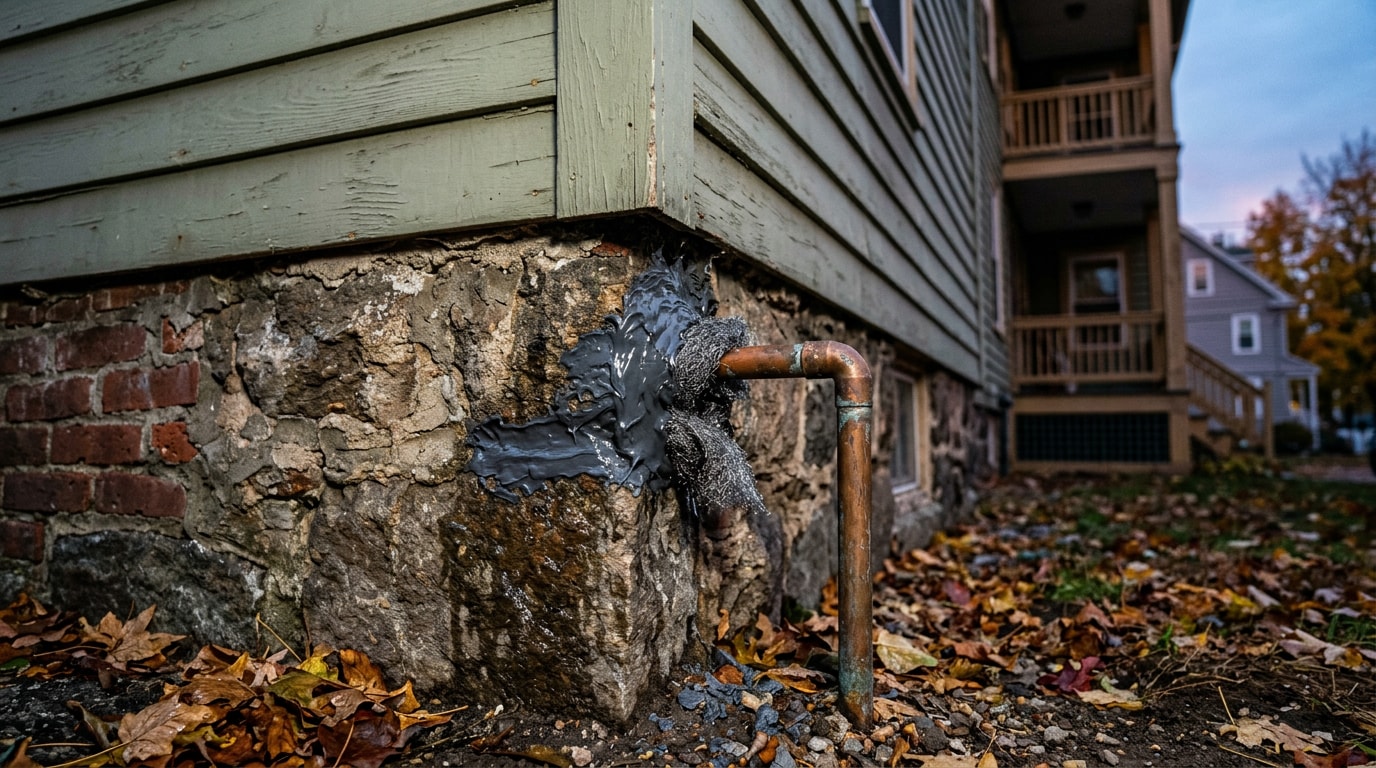
Raccoons and skunks move toward homes in early spring looking for den sites. Bats search out attics as summer roosting spots. Rodents push indoors as temperatures drop in fall. In the properties we service along the Route 140 and Great Woods corridor, our technicians see the same fall pattern almost every year: mice tracing utility lines into a basement within days of the season's first hard frost. Homes backing up to wooded land or wetland buffers tend to see this pressure earlier, and more often, than homes closer to downtown Mansfield.
How Licensed Providers Treat Pests in Mansfield
Most licensed providers follow roughly the same process, regardless of which company a Mansfield homeowner ends up hiring.
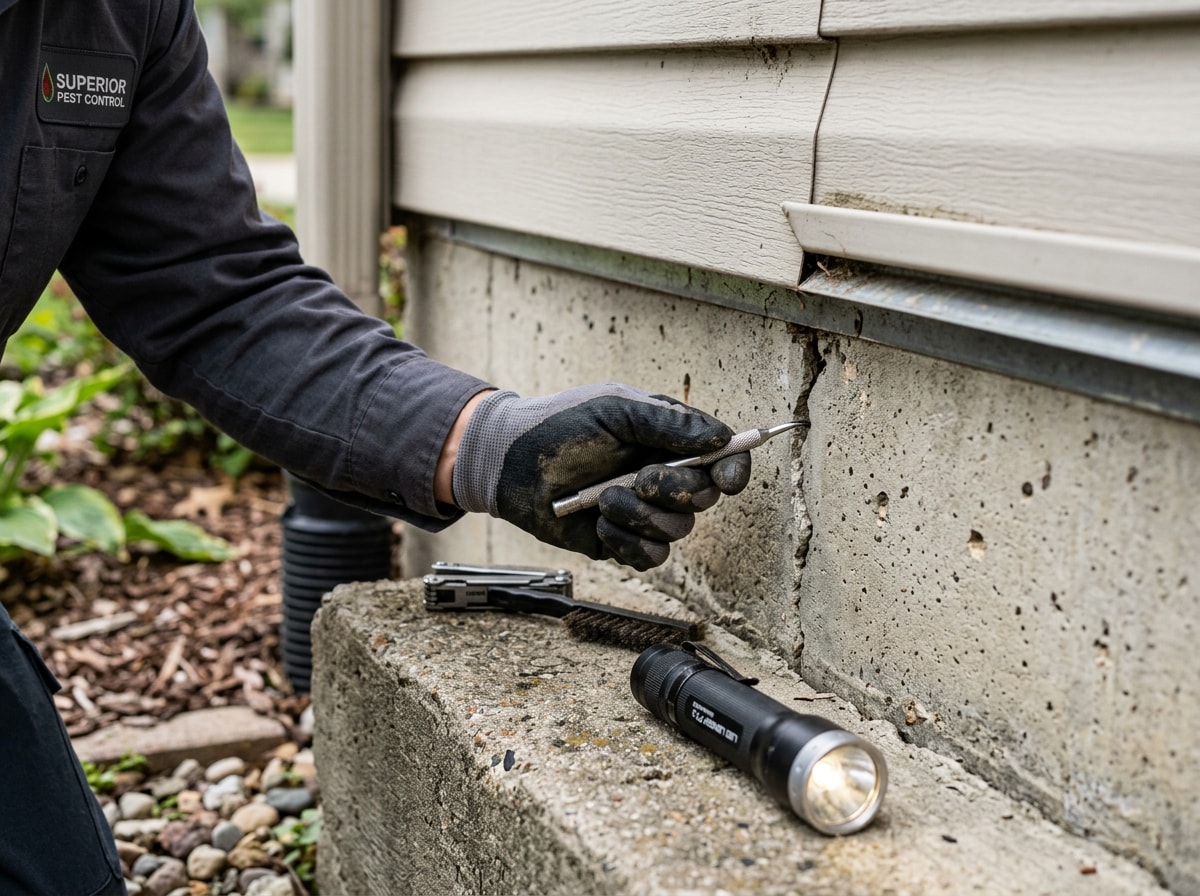
- Inspection. A technician walks the interior and exterior, checking entry points, nesting sites, moisture issues, and current activity.
- Treatment plan. A carpenter ant problem near a wooded backyard calls for different placement than a cockroach issue in a kitchen. Treatment might include targeted sprays, baits, dust applications, or exclusion work, depending on what's active.
- Follow-up. Ants and roaches especially often need a second or third application to fully break the colony. Ongoing plans include scheduled check-ins to catch new activity before it spreads.
Ready to get a property checked out? Schedule a free inspection before a small issue turns into a structural one.
Common Pests in Mansfield, MA
These are the insects and rodents Mansfield households and businesses report most often, based on seasonal patterns across southeastern Massachusetts. Each one calls for a slightly different approach, which is why an accurate inspection matters before any treatment begins.
Ant Control
Carpenter ants and odorous house ants are the two species Mansfield homeowners run into most, especially in homes near tree lines. They invade in spring and summer searching for food and moisture, often nesting in damp wood around decks and siding. Ant treatment typically combines baiting with perimeter treatment, since sprays alone rarely reach the nest. If you want to see how a related species behaves in a nearby town, our citronella ant guide for Reading, MA breaks down identification and treatment in more detail.
Bed Bug Control
Bed bugs don't care how clean a home is. They travel in luggage, used furniture, and clothing, then spread room to room once established. DIY sprays usually scatter the problem instead of solving it. Bed bug heat treatment uses targeted thermal application, and most homeowners need a follow-up check to confirm the infestation is fully cleared.
Cockroach Control
Cockroaches in kitchens, basements, and bathrooms aren't just unpleasant. They're linked to allergen and asthma triggers, especially in homes with children. Roach treatment usually combines gel baits, crack-and-crevice treatment, and sanitation recommendations. It often takes more than one visit, since egg cases can survive an initial treatment and hatch later.
Rodent Control (Mice & Rats)
Mice and rats push into Mansfield homes hardest in fall and winter, squeezing through gaps as small as a dime. Rodent control starts with finding entry points, not just setting traps. Sealing foundation gaps, vents, and rooflines matters as much as removal. Rodents are implicated in transmitting diseases and can carry fleas and ticks, spoiling food and spreading bacteria like plague and hantavirus , according to University of Georgia Extension research on rodent control.
Termite Control
Termites cause structural damage that's often invisible until it's extensive, since they work through wood from the inside. Termite treatment typically relies on soil treatments or bait station systems around the foundation, rather than surface sprays. A termite inspection is worth scheduling before buying a home or at the first sign of discarded wings. Termiticide products used for this work are reviewed by the EPA to determine they won't pose unreasonable risks to human health or the environment before being licensed for use .
Spider, Flea, Mosquito & Tick, and Wasp Control
Most spiders found in Massachusetts homes, like common house spiders and cellar spiders, are nuisance pests rather than medical concerns. Spider control usually follows general perimeter treatment, since spiders feed on other insects. Fleas usually arrive on pets and establish in carpets and yards before anyone notices, so effective flea and mite extermination treats both the indoor environment and the yard.
Massachusetts summers bring heavy mosquito and tick pressure, particularly on properties near wooded or wetland edges like those bordering Great Woods. Barrier treatments applied to yard perimeters through the warm months reduce both. Mosquito extermination is usually scheduled on a recurring basis during peak season.
Wasp and hornet nests tend to show up in eaves, sheds, and shrubs by mid-summer, and colonies get more aggressive heading into fall. DIY removal is risky, especially for anyone with a sting allergy. Professional hornet and wasp extermination handles the colony safely in a single visit.
Wildlife We Remove in Mansfield, MA
Pest control and wildlife removal solve different problems. Pest control treats insects and rodents with sprays, baits, and traps, while wildlife removal deals with larger animals that need live trapping and exclusion instead. This is the gap the "animal pest control" search term is pointing at: homeowners often don't know which category their problem falls into until an inspection sorts it out.
One detail that surprises most homeowners: Massachusetts doesn't allow trapped nuisance wildlife to simply be driven somewhere else and released. Under state wildlife regulations, Massachusetts law prohibits the capture and relocation of wildlife, and it is illegal to move any live wildlife from one location to another . Licensed trappers either use one-way exclusion devices that let an animal leave on its own or handle removal according to state rules, which is one more reason to confirm a company actually holds a current Problem Animal Control license before hiring them.
Bat, Raccoon, and Squirrel Removal
Scratching sounds in the attic at dusk, dark staining around roofline gaps, or a guano smell near the chimney are the usual first signs of a bat colony. Bat exclusion requires specific seasonal timing, since bats are protected during maternity season when flightless pups are present.
Raccoons target chimneys, attic vents, and soffit gaps, especially females looking for a safe den to raise young. Squirrels chew through fascia boards, soffits, and even electrical wiring to get into an attic, and they're active during daylight, unlike most nuisance wildlife. Both require exclusion work to close the entry point. Trapping without sealing the opening just invites the next animal in.
Skunk, Bird, and Woodpecker Issues
Skunks prefer denning under porches, sheds, and decks rather than entering the home itself, which makes them more of a yard problem than an attic one. A strong odor near a foundation gap, especially in spring, usually means a skunk has moved in to raise young.
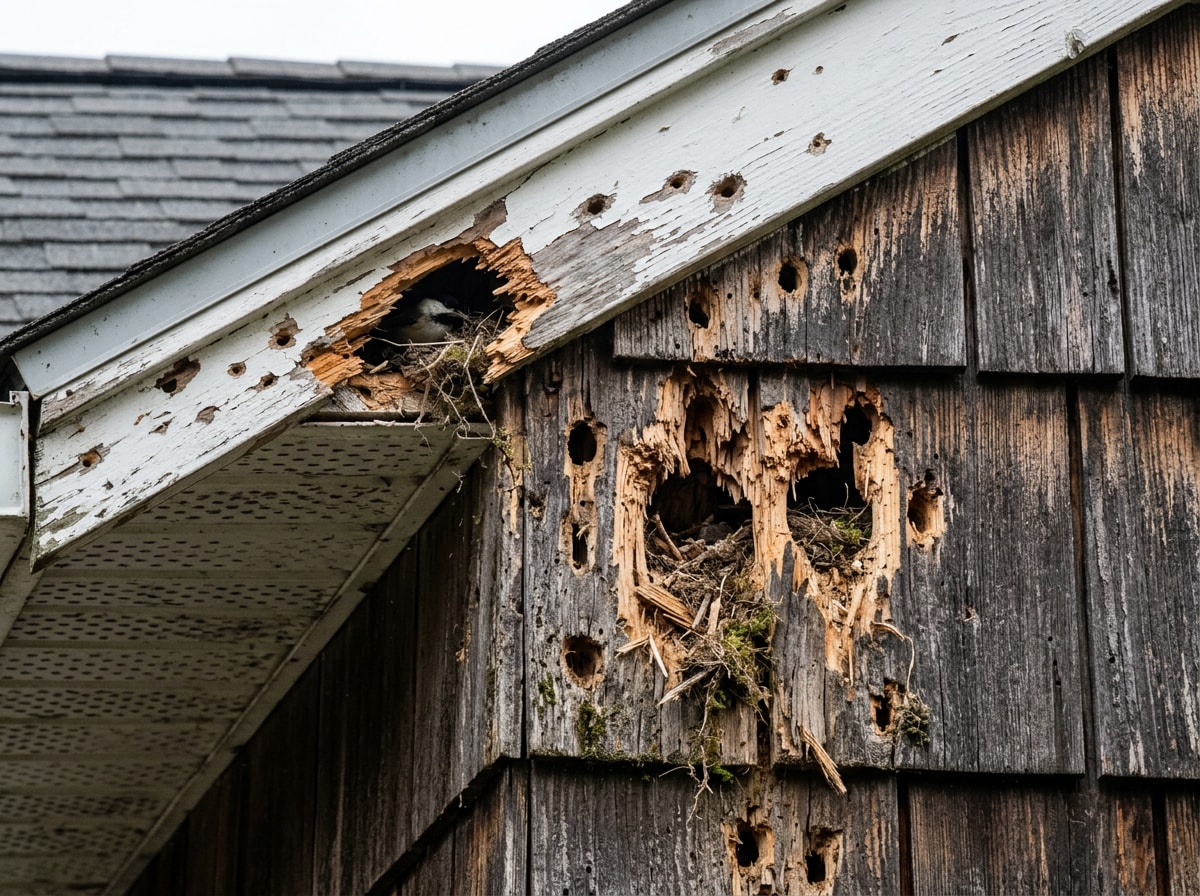
Birds nesting in dryer vents, soffits, and gutters can block airflow and create fire or moisture risks, while woodpeckers drill into siding and trim looking for insects or a nesting spot. Both involve clearing the nest, repairing the damage, and installing deterrents so the same spot doesn't attract another nest next season.
Bee Colonies
Bees are protected pollinators, so most reputable companies relocate a colony rather than exterminate it when that's possible. Bee control removes the hive without unnecessarily killing the colony, which matters both ecologically and for compliance with how Massachusetts treats pollinators differently from other nuisance insects.
Residential Pest Control Service Options
Most Mansfield homeowners choose between three basic approaches. None is universally better, it depends on the property, its surroundings, and how much pressure it typically sees.
| Option | Best for | What it includes |
|---|---|---|
| One-time treatment | An isolated issue: a wasp nest, an ant trail, pre-move-in prep | Single visit targeting the active problem, no recurring commitment |
| Quarterly protection plan | Properties near wooded or wetland edges, or with recurring history | Preventive exterior treatment plus free callbacks between visits |
| Targeted pest plan | One confirmed, persistent pest (e.g., carpenter ants in one structure) | Resources focused on that single pest instead of a broad general service |
A pest control guarantee typically covers free re-treatment if the targeted pest returns within a set window after service, often 30, 60, or 90 days depending on the company and the pest. It's not an open-ended promise against every future problem, so ask exactly what a warranty covers, and for how long, before comparing quotes.
Year-Round Pest Protection in Mansfield
Massachusetts' four distinct seasons mean pest pressure on a Mansfield property keeps shifting rather than following one steady pattern:
- Spring — ants and ticks ramp up
- Summer — mosquitoes and wasps peak
- Fall — rodents and spiders push indoors
- Winter — risk continues from rodents already nesting inside
Year-round plans time preventive treatment to intercept pests before each wave rather than reacting after an infestation is already established, which is part of why homeowners across Mansfield and the surrounding service areas tend to see better results from ongoing plans than from a single one-off treatment.
Why Choose a Licensed Pest & Wildlife Control Company
Comparing Mansfield providers gets easier with a short checklist, rather than taking every company's marketing at face value. Licensing, response time, and what happens after an animal is removed all matter more than a polished website.
Licensed and Insured
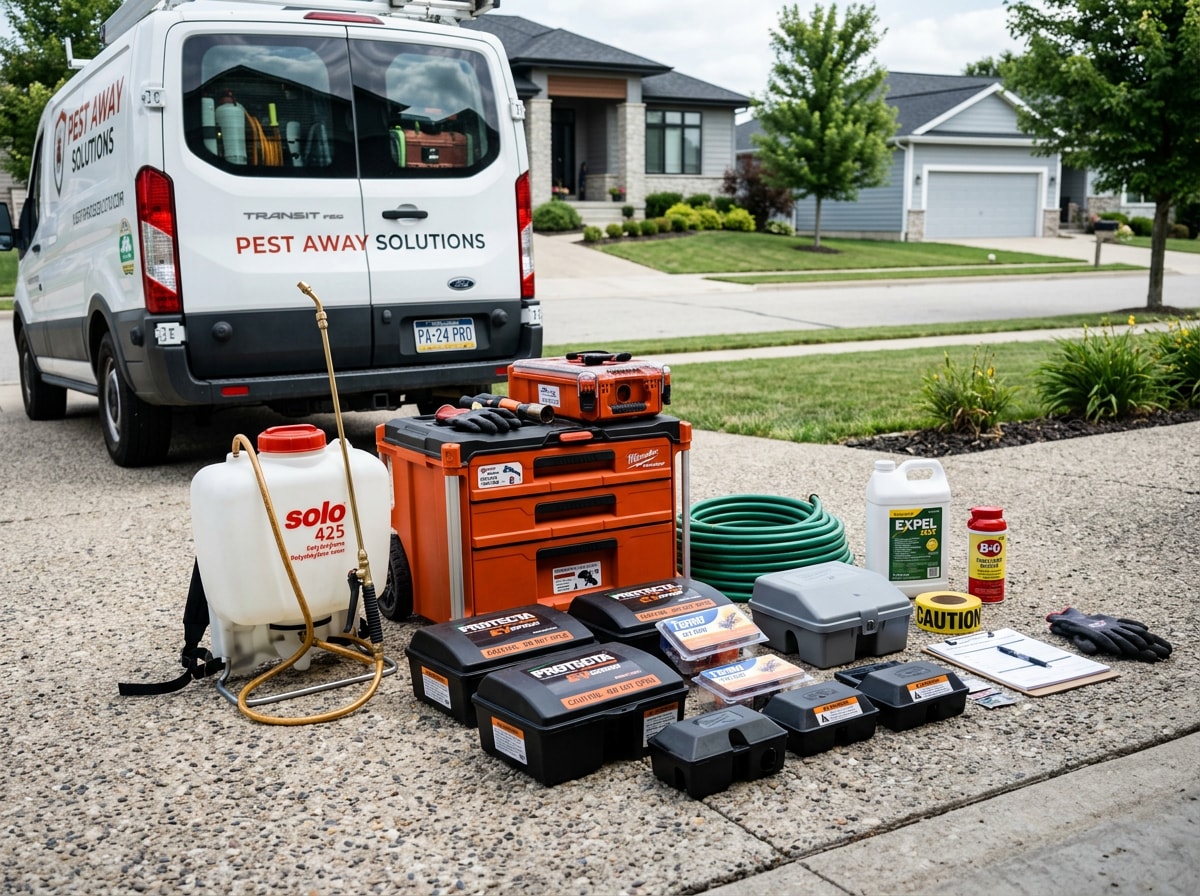
Massachusetts requires pesticide applicators to be certified through the Massachusetts Department of Agricultural Resources, and wildlife control operators need a separate state-issued Problem Animal Control permit to legally trap problem animals. Our lead technicians hold current Massachusetts pesticide applicator certification, and we're happy to show proof of licensing and insurance before a job starts, not after you ask. Before hiring anyone, confirm both.
Same-Day Emergency Service
Some situations can't wait for a scheduled appointment: an animal loose inside a living space, an active wasp swarm near a door, or a sudden rodent sighting in a kitchen. Not every provider offers 24/7 service, so confirm availability before an emergency actually happens.
Property Restoration & Cleanup
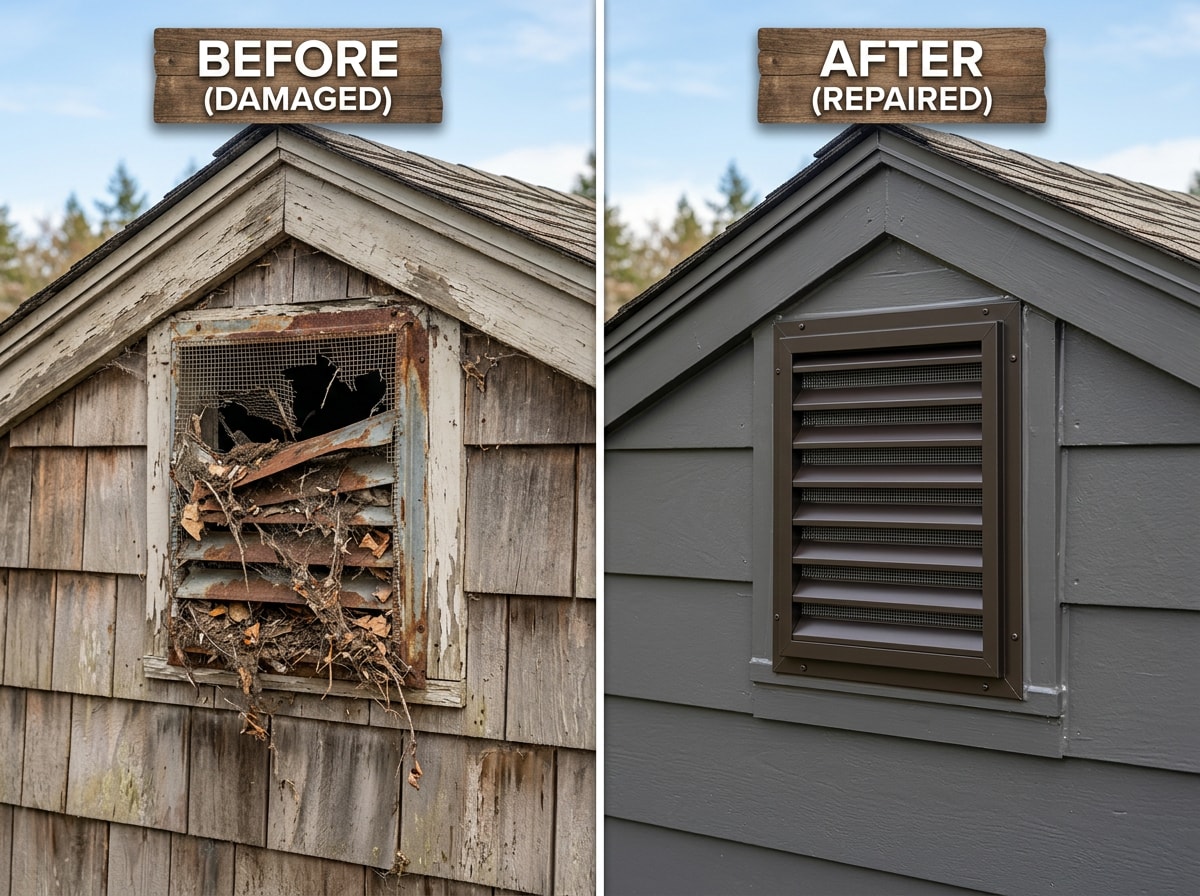
Removing the animal is only half the job. Contaminated insulation removal and post-pest restoration address the droppings, nesting material, and sanitation issues left behind, since wildlife damage leaves health risks, not just structural mess. Attic cleanup matters particularly after bat or raccoon activity, where droppings can pose a real respiratory concern if left untreated.
Commercial Pest Control Services
Restaurants, multifamily housing, and office buildings in Mansfield face pest compliance requirements that residential customers don't deal with: health code inspections, documentation requirements, and zero tolerance for visible activity during business hours. Commercial pest control has to work around operating schedules too, since treatment during customer hours isn't always practical.
A commercial property pest inspection usually includes more frequent visits and detailed service logs for compliance records compared to a standard residential pest inspection. Property type changes the approach significantly: a restaurant kitchen has different pressure points than a multifamily building's shared walls and utility chases. You can see examples of completed jobs on our projects page before deciding on a provider.

Whether it's a residential or commercial property, the fastest way to find out what you're dealing with is an inspection. Schedule a free inspection with Lighthouse Exterminators and get a straight answer on whether it's a pest problem, a wildlife problem, or both.
FAQ
Does pest control deal with animals?
Standard pest control typically covers insects and rodents, like ants, roaches, and mice, through baiting and spraying. Larger nuisance wildlife usually falls under a separate wildlife removal service that uses humane trapping and exclusion instead of sprays. Many Mansfield providers, including ours, offer both.
Are pest control companies licensed to handle wild animals in Massachusetts?
Not automatically. A standard pesticide applicator license doesn't cover wildlife trapping. Handling wild animals in Massachusetts requires a separate Problem Animal Control permit, so ask specifically whether a company's technicians hold a current wildlife license before hiring them for an animal problem.
Can wildlife be relocated once it's trapped in Massachusetts?
No. Massachusetts law prohibits the capture and relocation of wildlife, and it is illegal to move any live wildlife from one location to another . Licensed trappers use one-way exclusion devices or handle removal in line with state regulations instead of transporting animals elsewhere.
How much does pest control cost in Massachusetts?
It varies widely based on the pest, property size, and whether it's a one-time visit or a recurring plan. One-time treatments tend to cost less upfront, while quarterly plans spread the cost out but cover more ground over the year. Exact pricing depends on an inspection, so most companies quote after seeing the property firsthand.
How do you prevent animals from returning?
Trapping removes the current animal, but exclusion, sealing the gaps, vents, and rooflines the animal used to get in, is what actually stops the next one from moving in. Pair removal with a thorough exterior inspection, since any unsealed opening tends to attract a new occupant within a season or two.
Is the landlord responsible for mice in a Massachusetts rental?
Generally, yes, especially in buildings with two or more units. The Massachusetts State Sanitary Code explains the responsibilities of both landlord and tenant for the control and elimination of pests , though responsibility can shift if a tenant's own conditions caused the problem. Tenants dealing with a persistent mouse issue should document it in writing and contact their local board of health if a landlord doesn't respond within a reasonable time.