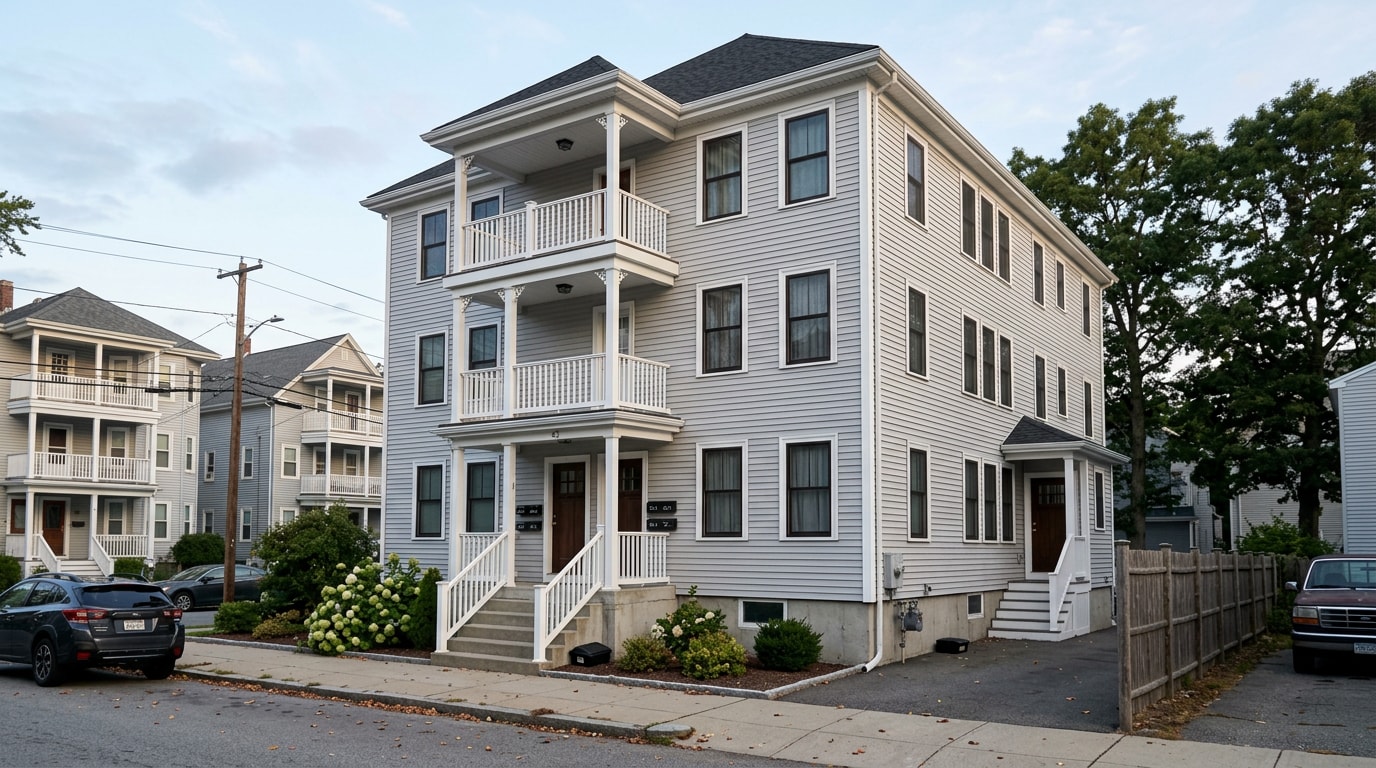

If you want to know how to get rid of citronella ants in Reading, MA, you've probably just watched a cloud of winged ants pour out of a basement crack or sump pump liner. These ants won't eat your house, but their sudden appearance almost always means moisture is getting into your foundation somewhere. Here's how to tell them apart from termites, why they showed up, and the exact sequence that gets rid of them for good.
What Do Citronella Ants Look Like?
Citronella ants are yellow to reddish-brown, roughly 1/8 to 1/4 inch long, and named for the sharp lemongrass smell they release when crushed. They're very common in the eastern United States and are frequently confused with termites when they swarm into the living areas of homes.
The winged swarmer stage is what sends most Reading homeowners searching. That stage looks a lot like a termite swarm, and the two get mixed up constantly.
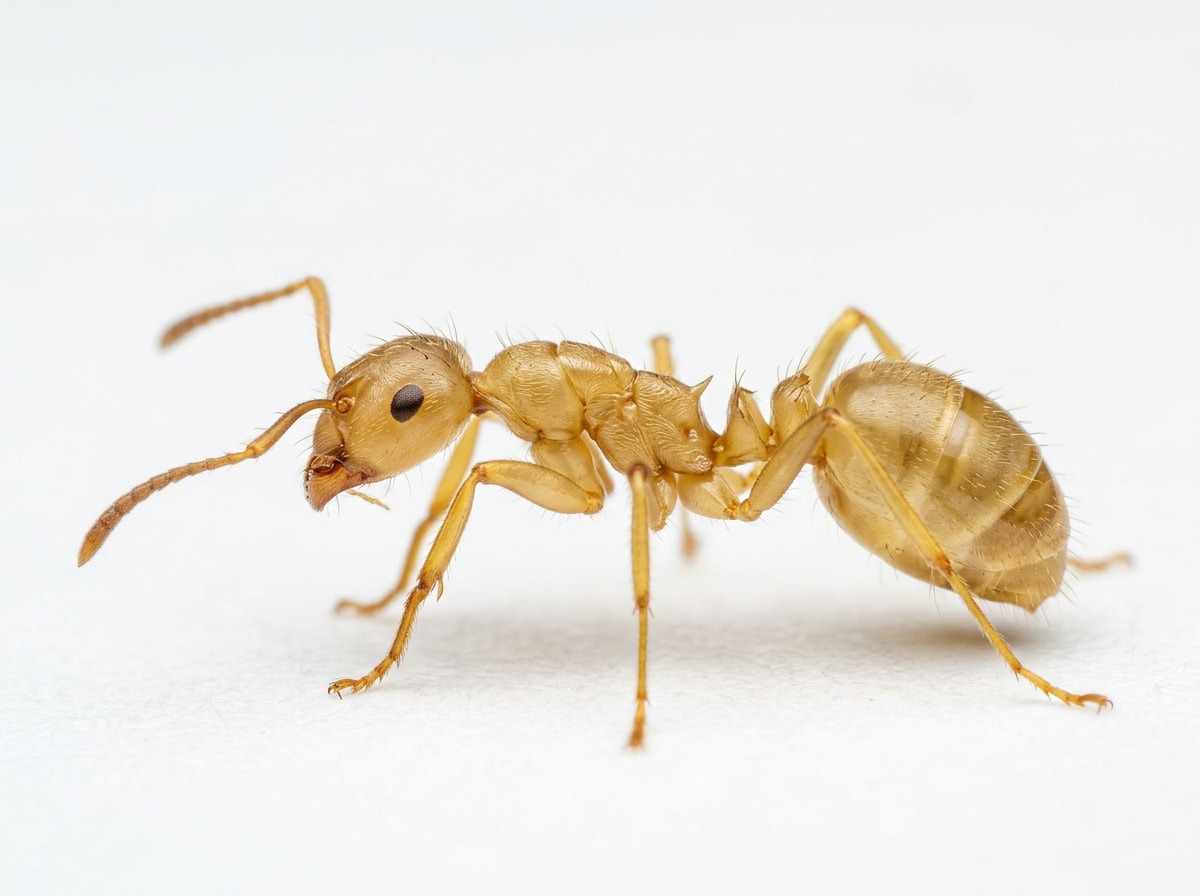
If you're trying to confirm it's ants and not a wood-destroying pest before calling anyone, our ant treatment service page has more identification photos specific to Massachusetts homes.
Citronella Ants vs. Termites
Termites have beaded antennae similar to a bead chain, while ants have elbowed antennae with the bend at or near the middle. Termites have four wings, equal in length and about twice the length of their bodies. Ants also have four wings, but the hind wings are shorter than the front wings, and ant wings have prominent wing venation.
Ants have a narrow-waisted, hourglass-shaped, three-segmented body, while flying termites have two body segments without the constricted waist.
| Feature | Citronella Ants | Termite Swarmers |
|---|---|---|
| Body shape | Pinched, hourglass waist | Straight, no waist |
| Antennae | Bent (elbowed) | Straight/beaded |
| Wings | Unequal length, visible veins | Equal length, no veins |
| Smell when crushed | Lemongrass/citronella | None |
| Typical swarm timing | Late winter–spring (occasionally other seasons) | Spring, after warm rain |
A quick cross-check with a pesticide education program designed to help individuals understand pest biology or a university extension page on citronella ants is worth the five minutes before you assume "it's just ants."
Why Do I Have Citronella Ants? (Causes & Habitat)
Citronella ants are soil-nesting ants that nest under items such as logs, rocks, patio blocks, porches, and concrete patios.
These ants feed on the sugary honeydew produced by aphids, often underground root aphids , which is why they rarely bother your pantry.
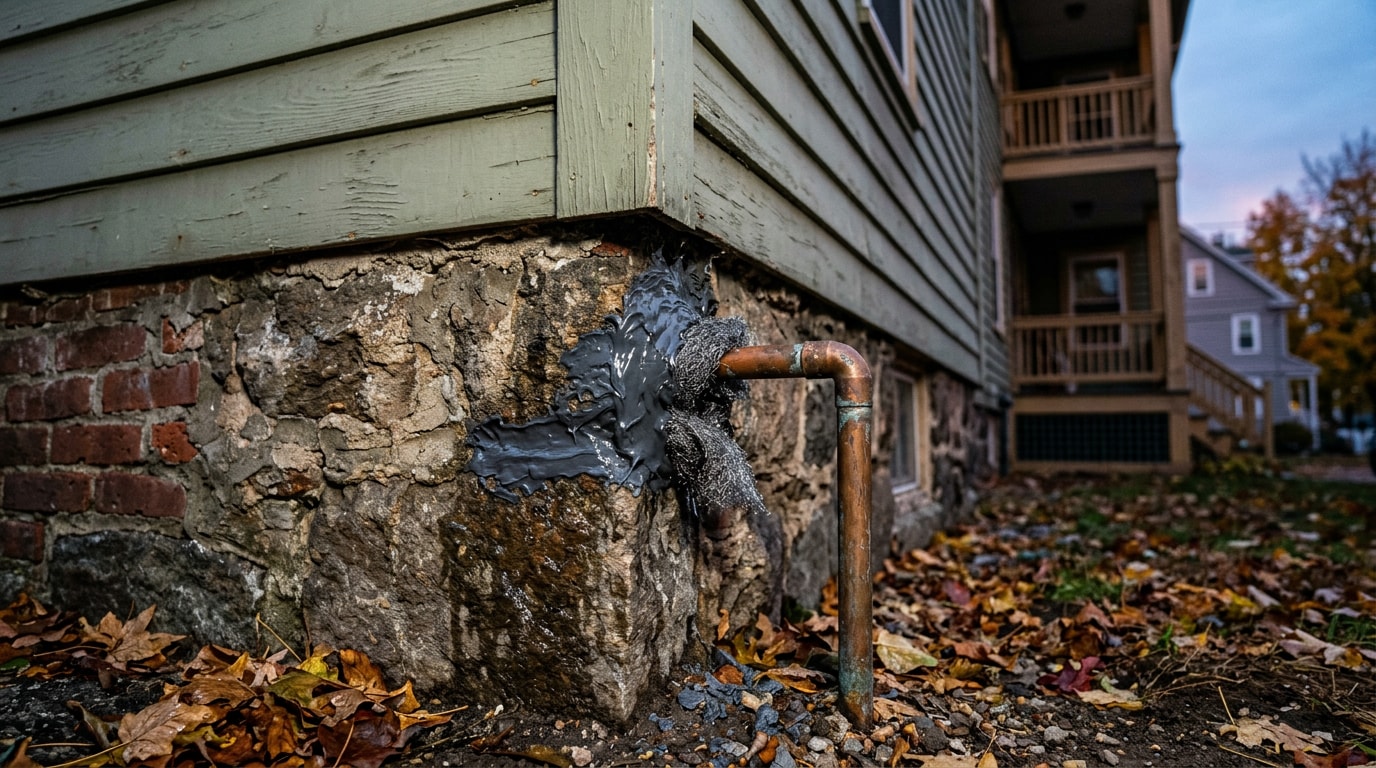
They show up inside mainly because moisture gave them a path. A damp foundation, a cracked slab, or soil piled too high against the siding all create an entry route for a colony that's already living a few feet from your basement wall.
When Do Citronella Ants Swarm?
Most Reading sightings cluster in late winter and spring, but don't assume a fall or summer swarm rules them out. Citronella ants are rarely seen indoors unless they are in their swarming phase, and they can swarm nearly any time of the year, even winter, occurring inside basements when colonies are located next to or under the structure. That's a detail most pest sites gloss over, and it's exactly why an "off-season" swarm doesn't automatically mean you're looking at something worse.
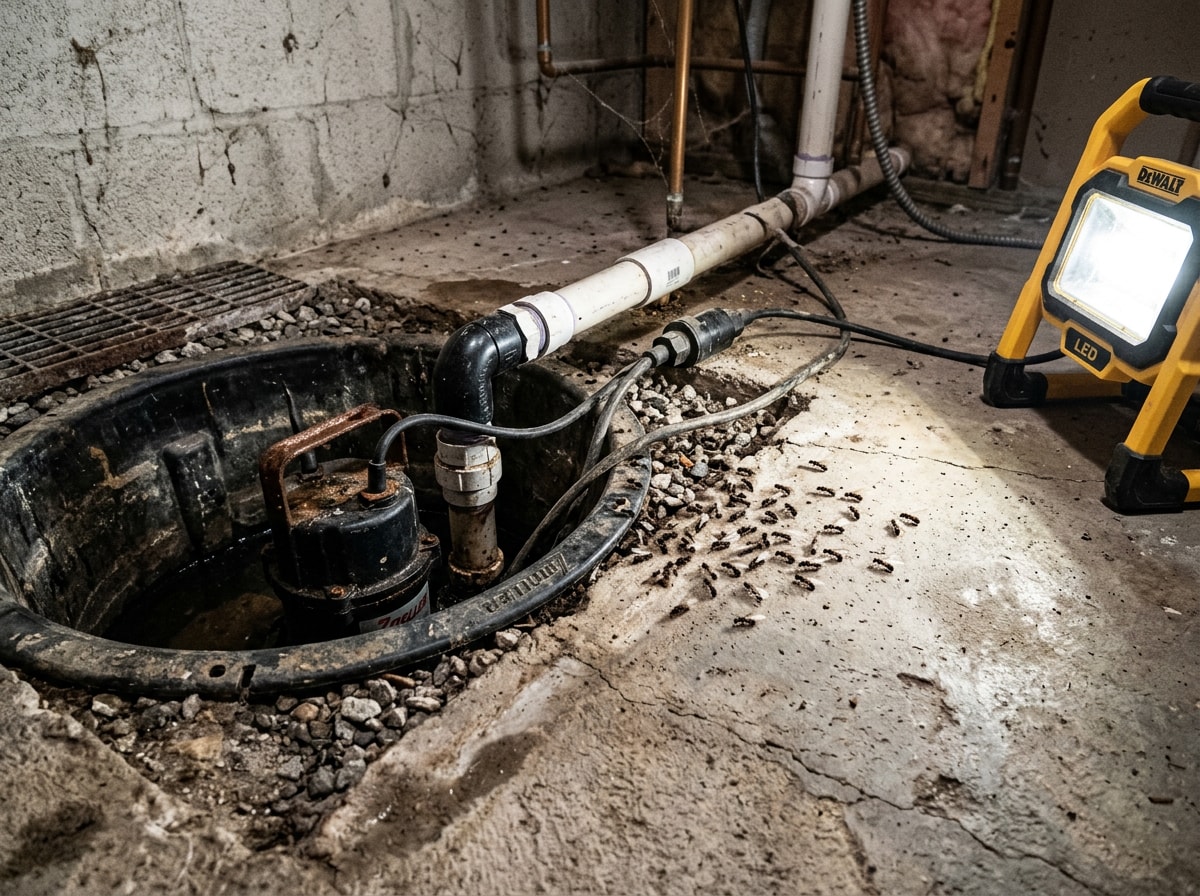
Workers and alates crawl out of expansion joints in the floor and alarm homeowners, and swarming events usually last a few days and then stop until the following year.
What Attracts Citronella Ants to Your Home?
- Excess soil moisture against the foundation
- Foundation cracks and gaps around utility penetrations
- Mulch or soil piled against siding
- Aphids or mealybugs feeding on nearby shrub roots
Reducing these conditions is the real fix. Bait stations alone won't touch an outdoor colony feeding on root aphids.
Are Citronella Ants Harmful?
Unlike termites, citronella ants do not feed on wood or cause structural damage. They don't bite or sting either. The actual risk is misidentification: treating a termite swarm like a harmless nuisance is the expensive mistake.
If there's any doubt, confirm identification before you write off a swarm. A missed termite problem gets worse every season it's ignored, while a citronella ant problem mostly just smells bad.
Signs of Citronella Ants in Your Home
- Winged ants clustering near a sump pump, slab crack, or basement window
- A lemongrass or citronella smell when a few are crushed
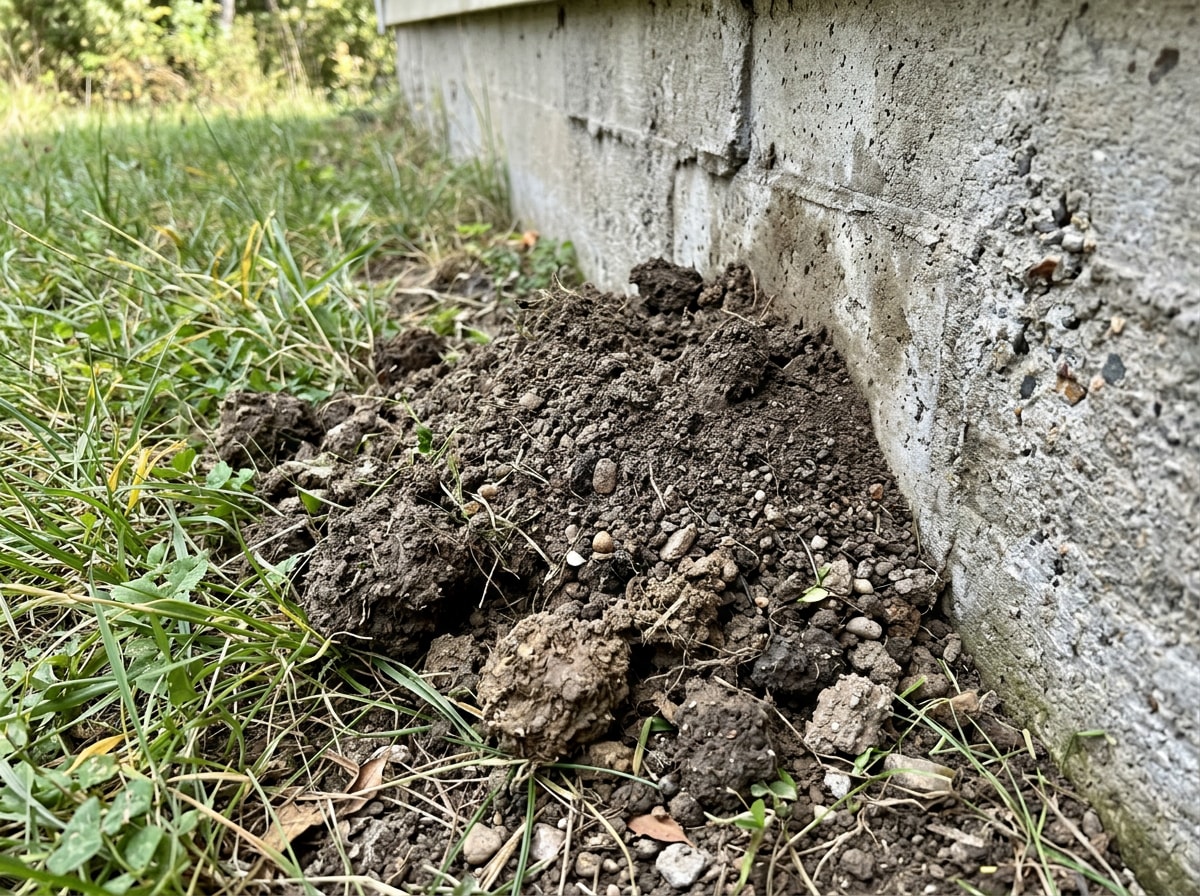
- Small soil mounds along the foundation outside
- A swarm that lasts a few days, then stops completely
How to Get Rid of Citronella Ants: Step-by-Step
Getting rid of citronella ants starts outside, not with bait stations. Because they rarely, if ever, forage indoors, indoor bait treatment is not warranted. Here's the sequence that actually works:
- Identify the pest. Confirm it's citronella ants, not termites, using the comparison above.
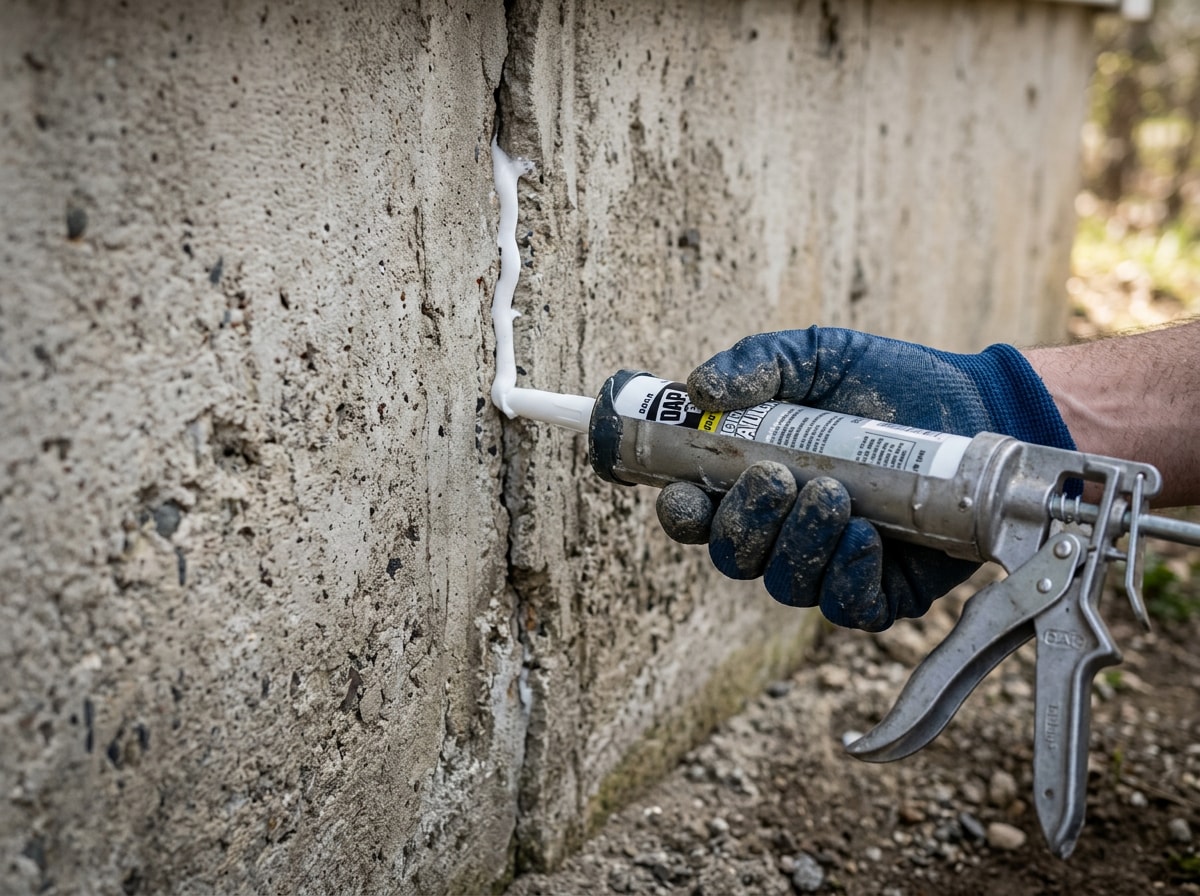
- Seal entry points. Caulk foundation cracks and gaps around utility penetrations. Our foundation sealing service handles this for Reading homes where DIY caulk isn't holding up.
- Dry out the perimeter. Redirect downspouts, grade soil away from the foundation, and fix standing moisture near the slab.
- Treat the nest directly. Drench or inject insecticide into the actual nest opening rather than relying on surface bait. Always follow the product label.
- Vacuum and monitor.
When citronella ants are found swarming indoors, vacuum them up and dispose of them, which may need to be repeated daily for about a week while the outdoor colony is being addressed.
Spring thaw is peak swarm season in Middlesex County, so sealing and moisture work done in late winter can head off an indoor swarm before it starts.
Before you buy anything from the hardware store shelf, always read the label first and follow the directions to the letter, including all precautions and restrictions, and don't use more pesticide than directed by the label — the EPA's pesticide safety guidance covers the basics every homeowner should know before treating a nest.
See our full ant extermination options if sealing and vacuuming aren't resolving a repeat swarm.
Professional Pest Control for Citronella Ants
When sealing and vacuuming aren't enough, a technician can inspect the foundation, pinpoint the moisture source, and drench the actual nest sites — something store-bought bait generally can't do for this species. We've found that most Reading calls involve a colony living under a slab expansion joint that homeowners never would have spotted on their own.
Massachusetts pesticide law requires that all persons who apply pesticides in public areas and private places used for human occupation and habitation must be in possession of a valid license or certification issued by the Massachusetts Department of Agricultural Resources. That's worth confirming before you hire anyone; you can review licensing standards through UMass Extension's pesticide program.
If the swarm turns out to be carpenter ants instead, which is a common mix-up in older Middlesex County homes, our carpenter ant guide for Foxborough walks through that identification separately.
Schedule a free inspection and we'll confirm what's actually swarming before any treatment starts. Lighthouse Exterminators covers Reading, MA and the surrounding area, and you can see our full service lineup on the homepage.
FAQ
What gets rid of citronella ants?
Sealing foundation cracks, fixing drainage and moisture problems, and drenching or injecting insecticide directly into the nest. Vacuuming indoor swarmers helps in the meantime, but it won't stop next year's swarm on its own.
Why do I have citronella ants?
They're drawn indoors by moisture near your foundation, not food. Fix the drainage and seal the cracks, and the swarms stop returning.
Are citronella ants the same as termites?
No. Citronella ants may look similar during the swarming season, but they don't eat wood or cause the same damage as termites. Check the waist shape, antennae, and smell to tell them apart.
Do citronella ants bite or sting?
No. They have no stinger and don't bite people or pets. Their only real "weapon" is the citronella smell they release when crushed.
How long does a citronella ant swarm last?
Usually just a few days before it stops on its own for the season. If swarms keep recurring every few weeks, that points to multiple nest sites near the foundation.
What is the hardest ant to get rid of?
Citronella ants rank among the more stubborn species because they ignore standard baits, unlike many common household ants that respond well to bait stations.
How do the Amish get rid of ants?
There's no verified, documented Amish-specific ant remedy. Stick with sealing, moisture control, and direct nest treatment for results you can actually measure.