
If swarms of small black-and-red flies are covering your porch or windshield, you want to know how to kill love bugs in Lynn, MA fast. This guide covers identification, the step-by-step removal process for indoors, your yard, and your car, plus a regional detail most pest guides skip entirely. Keep reading before you spray anything.
What's Actually Swarming Your Lynn Yard?
True love bugs, Plecia nearctica, are a southern species best known for traveling in mating pairs. They're a nuisance, not a danger, but their numbers during swarm season can make a yard or patio feel unusable.
Here's the part local homeowners rarely hear: true love bugs aren't established in Massachusetts. A university extension entomologist notes that in the past 50 years lovebugs have increased their range and now infest parts of all states bordering the Gulf of Mexico, Georgia and South Carolina . That range stops well south of New England.
So what's landing on your windshield in Lynn? Most likely cluster flies, fungus gnats, or another seasonal look-alike that mimics the timing and appearance of a true love bug swarm. The good news: the removal tactics below work on all of them, whether or not the insect in your yard is technically Plecia nearctica.
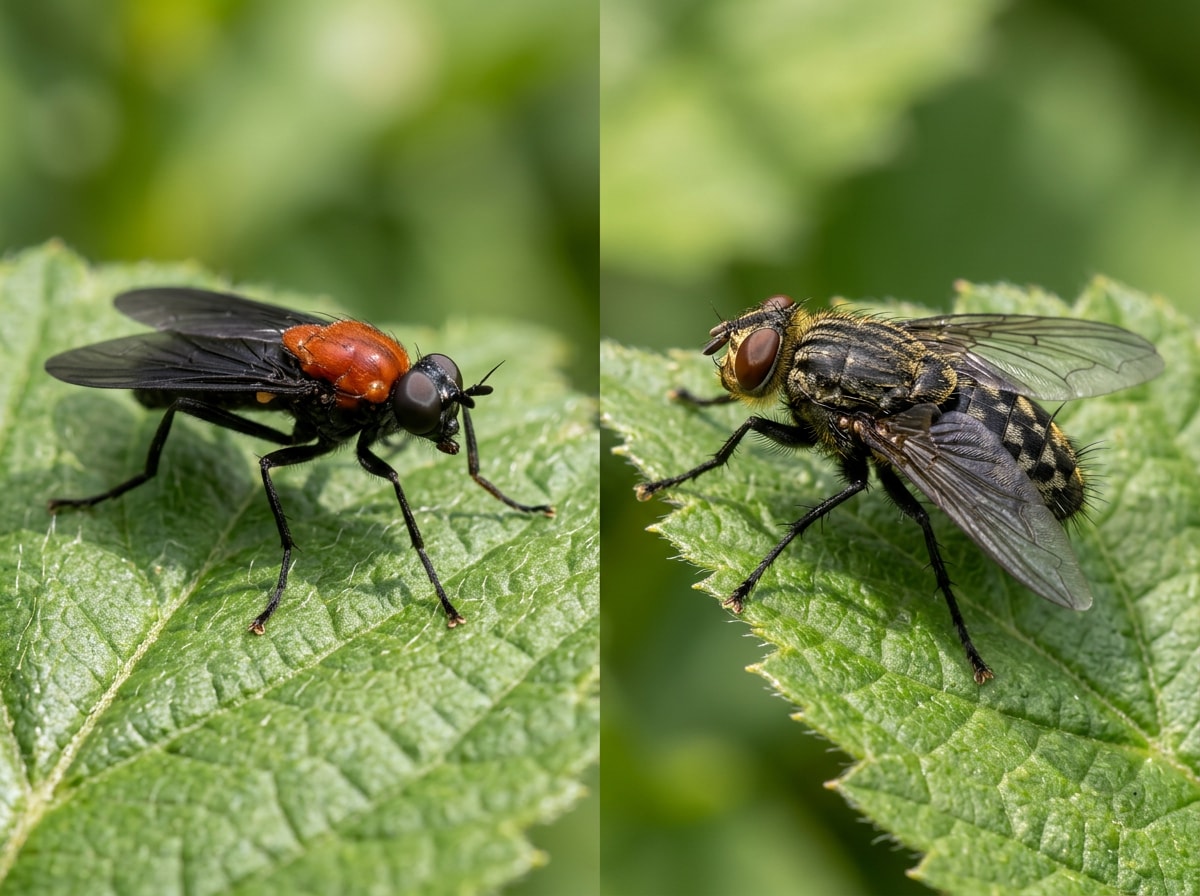
Love Bugs vs. Lynn Look-Alikes
| Trait | True Love Bug | Common Lynn Look-Alike (Cluster Fly) |
|---|---|---|
| Native range | Gulf Coast, Georgia, South Carolina | Found throughout New England |
| Body | Black with red-orange thorax | Dark gray-black, checkered pattern |
| Behavior | Flies in mating pairs | Clusters on sunny walls, enters to overwinter |
| Season | Late spring and late summer | Fall (entering) and early spring (exiting) |
| Bites or stings? | No | No |
What Do Love Bugs (and Their Look-Alikes) Look Like?
Love bugs are small flies, roughly a third to a half-inch long, with a shiny black body and a reddish-orange thorax just behind the head. Their wings are smoky gray and translucent. Larvae feed on decaying plant material in damp areas, which is why they're often found near mulch and thatch.
Getting the identification right matters before you treat anything, since a general pest inspection can confirm exactly which insect you're dealing with before you spend money on the wrong product.
When Does "Love Bug Season" Hit Lynn?
In their native range, true love bugs swarm twice a year, with flights lasting roughly four to five weeks before dying off naturally. Since that species isn't established here, a Lynn-area swarm on a similar timeline is almost always a seasonal look-alike rather than the real thing. Either way, the swarm pattern, heavy for a few weeks, then gone, tends to repeat.
How to Kill Love Bugs in Lynn, MA: Step-by-Step
Whether you're fighting true love bugs or a local look-alike, the removal tactics overlap. Tackle all three zones, indoors, the yard, and your car, for the fastest results.
In the Home
- Run a ceiling fan on a steady setting. Moving air disrupts their flight pattern.
- Patch torn window and door screens. Even small gaps let swarms wander inside.
- Vacuum any bugs already trapped indoors. It's quick and leaves no residue on walls or curtains.
- Skip indoor bug bombs. The EPA notes that
total release foggers, also known as "bug bombs," are pesticide products containing aerosol propellants that release their contents at once to fumigate an area , which is overkill for a pest that dies off on its own within days.
- Use a fly swatter or a quick spritz of cooking spray on stragglers. Cooking spray disables their wings.
For recurring indoor swarms tied to cluster flies or another occasional invader, our occasional invader treatment targets the entry points these insects use to get inside in the first place.

Outside the Home
- Keep grass mowed short and bag the clippings. Rotting organic matter is a major attractant.
- Avoid over-watering or letting thatch build up in shaded areas. Both create breeding conditions.
- Hold off on broad pesticide spraying across the whole yard. It tends to kill beneficial insects along with the pests you're targeting.
- Clear leaf litter and grass clippings near patios and seating areas to reduce resting spots.
Keeping Them Off Your Car
- Wax your car before swarm activity ramps up. A fresh wax layer keeps residue from bonding to the clear coat.
- Apply a light coat of baby oil or cooking spray on the hood, grille, and front bumper so bugs slide off instead of sticking.
- Wash your car as soon as possible after a swarm encounter. Residue left too long can be harder to remove and may affect the clear coat over time.
- For stuck-on windshield residue, soak the area with soapy water for a few minutes, then wipe with a soft microfiber cloth. Avoid dry scraping, which can scratch glass.
Love Bug Spray: The Pantry Recipe That Works
Mix water with a few drops of citrus dish soap and a splash of mouthwash in a spray bottle. Apply it directly to swarms on outdoor surfaces, then rinse after a few minutes. The citrus oil helps break down the exoskeleton without harsh chemicals.
Skip spraying it directly on tender foliage. Citrus oils and alcohol in mouthwash can scorch delicate leaves.
Set realistic expectations here: a homemade spray knocks down a swarm temporarily, but it isn't a long-term fix. Reapply each time a new wave shows up, since it doesn't stop future swarms from forming.
When a Store-Bought Insect Spray Makes Sense
A pyrethroid-based insecticide makes sense when swarms are heavy or recurring and the pantry spray isn't keeping pace. These products work faster and last longer on treated surfaces, but they're strongest when applied carefully and according to label directions.
Foggers and aerosol sprays typically offer only temporary knockdown against active swarms. Heavy or repeat swarms often need treatment over several days rather than a single application.
Can Pest Control Take Care of Love Bugs?
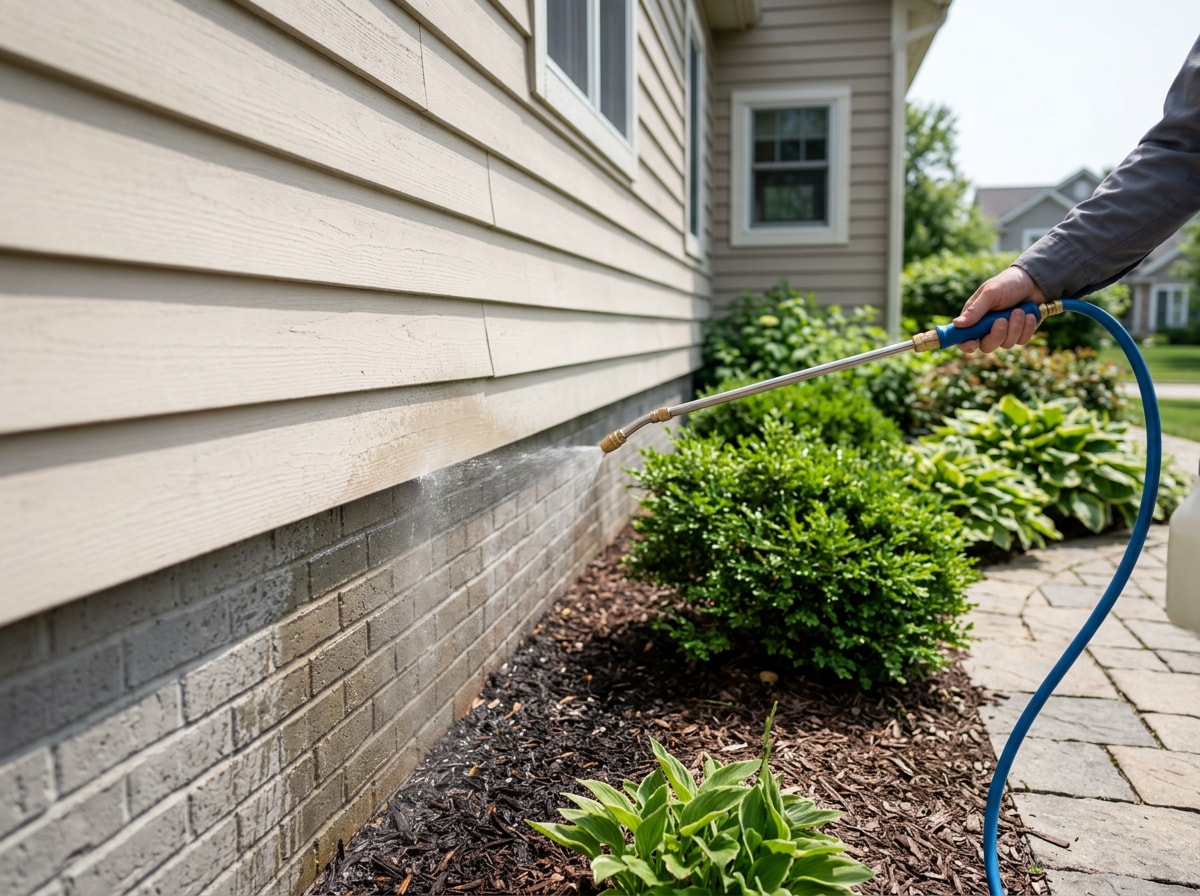
A professional visit typically includes an inspection, targeted perimeter treatment, and confirmation of exactly which insect is swarming your property. That last step matters more than it sounds. Since true love bugs aren't established in Massachusetts, a technician can confirm whether your Lynn-area swarm is cluster flies, fungus gnats, or something else before recommending treatment.
In our service calls across Lynn's coastal neighborhoods, our technicians most often identify these fall and spring swarms as cluster flies looking for a place to overwinter, not true love bugs. That distinction changes where we focus treatment, usually at siding gaps and eaves rather than the yard itself.
DIY methods handle light, occasional swarms well. Recurring or heavy swarms, especially ones returning every season, are worth a professional opinion. The National Pest Management Association reminds homeowners to stay proactive, and to know when to call in the pros once prevention alone stops working.
If you're dealing with a similar seasonal swarming insect elsewhere in the area, our guide on how to get rid of cicada killers in Jamaica Plain yards covers another common Massachusetts nuisance pest.
Ready for a professional opinion? Schedule a free inspection and we'll confirm what's swarming your property and the fastest way to clear it. We serve Lynn, MA and the surrounding North Shore through our pest control services, including our dedicated bug and insect extermination program. Visit our homepage to see our full service area.
FAQ
Are DIY Love Bug Repellents Effective?
Homemade sprays using dish soap, water, and mouthwash can knock down swarms temporarily on contact. They're not a long-term fix, so expect to reapply each time a new wave appears.
How Long Do Love Bugs Last?
Each swarm typically lasts four to five weeks before dying off naturally. Individual adults live only a few days to a couple of weeks.
How Do Dryer Sheets Get Rid of Love Bugs?
A damp dryer sheet works as a quick wipe-off tool for stuck-on residue on car surfaces. Its light texture helps lift bugs without scratching paint or glass.
What Will Eat a Love Bug?
Birds, dragonflies, and some predatory insects feed on love bugs and their larvae. This natural predation helps keep populations in check within their native range.
Do Love Bugs Bite or Sting?
No. Love bugs don't bite or sting people, and they're not considered a health threat. Their main nuisance is sheer numbers during swarm season, not physical danger.
Are the Swarms in Lynn, MA Really Love Bugs?
Probably not true love bugs. Lovebugs have increased their range and now infest parts of all states bordering the Gulf of Mexico, Georgia and South Carolina , which doesn't reach Massachusetts. A Lynn-area swarm is more likely cluster flies or another local look-alike.