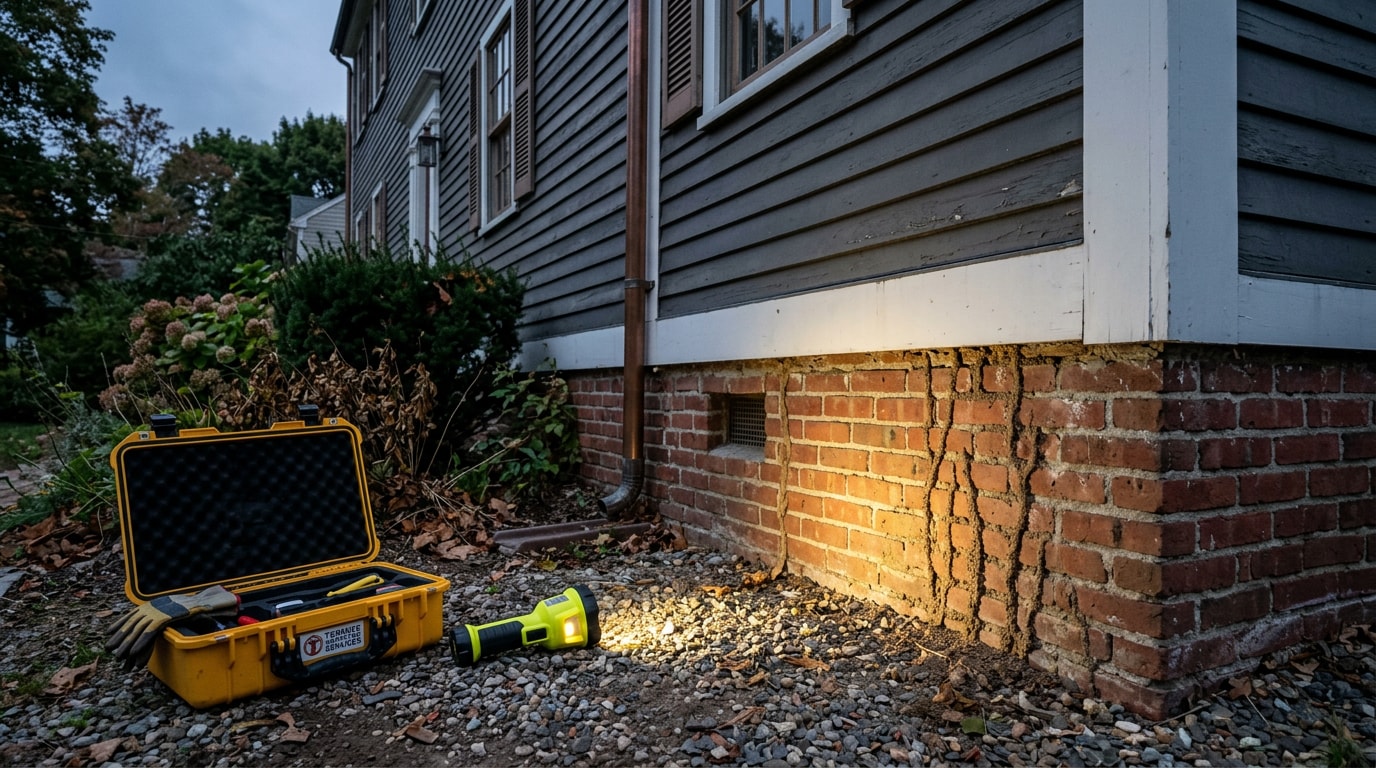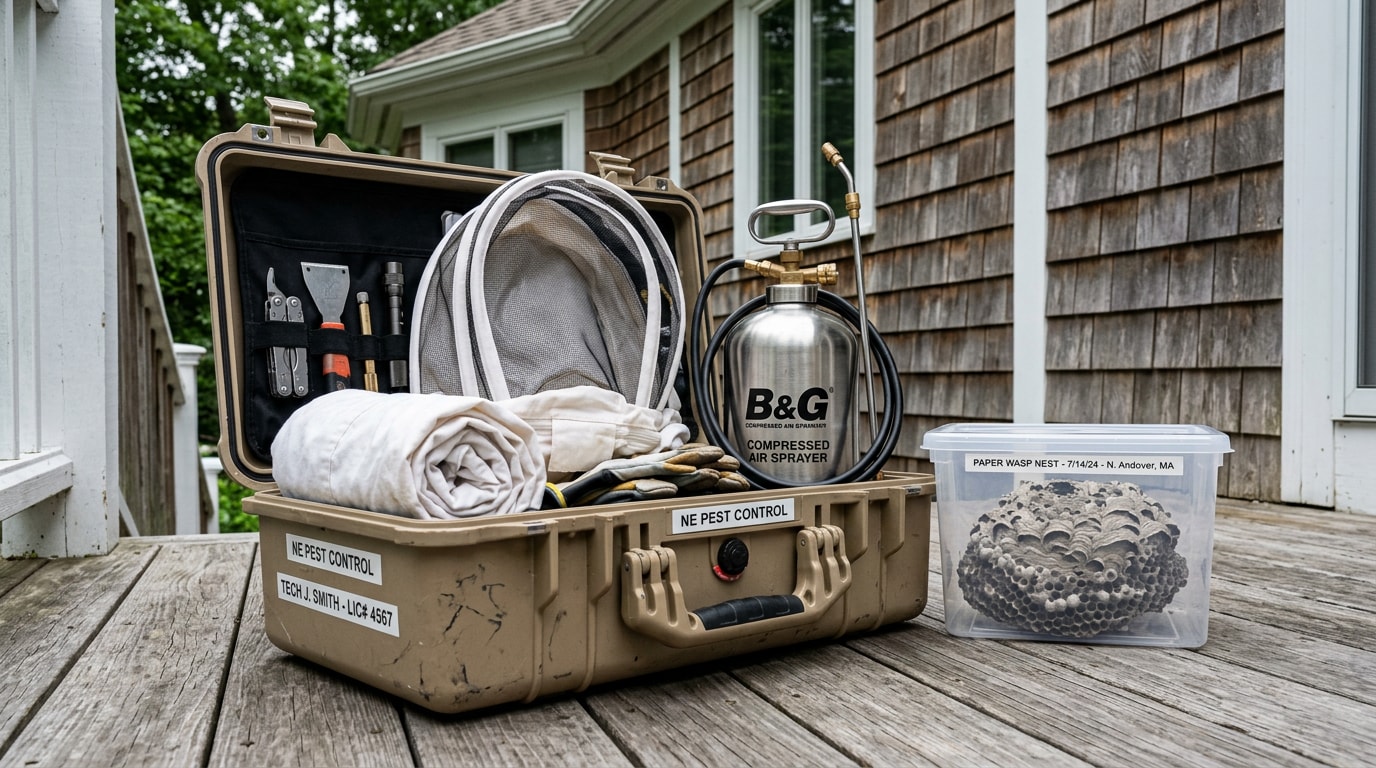

Pantry pest control in Wellesley, MA deals with a different problem than the ants or spiders that show up elsewhere in a house. Grain beetles, Indian meal moths, and weevils live and breed inside stored food itself, so a spotless kitchen can still hide an active infestation in a cereal box or flour bag. Here's how to identify them, what a real treatment visit involves, and when it's time to call a licensed technician.
What Are Pantry Pests?
"Pantry pest" is an umbrella term for insects that infest dried, packaged, or bulk foods instead of crawling in from the yard. They usually arrive already inside a bag or box of food rather than entering the home on their own.
Common species found in Massachusetts kitchens include flour beetles, sawtoothed grain beetles, cigarette and drugstore beetles, granary and rice weevils, and Indian meal moths. Telling them apart matters because treatment differs by species and by the food they target.
| Pest | Appearance | Where You'll Find It |
|---|---|---|
| Indian meal moth | Small moth, reddish-brown outer wings | Webbing in cereal, flour, pet food, dried fruit |
| Sawtoothed grain beetle | Flat, dark brown, under 1/8 inch | Crawling near rice, pasta, cereal boxes |
| Rice or granary weevil | Reddish-brown with a long snout | Tiny holes in whole grain kernels |
| Cigarette or drugstore beetle | Oval, reddish-brown, 1/8 inch | Spices, dried flowers, pet food, cereal |
Signs You Might Have a Pantry Pest Infestation
Catching an infestation early keeps it from spreading to every shelf. Watch for:
- Fine, silk-like webbing clumping cereal, flour, or pet food together
- Small reddish-brown insects crawling near opened bags of rice or pasta
- Tiny holes in whole grains or pasta
- A faint musty or sour smell coming from a cabinet
- Moths flying near kitchen lights at night
How Professional Pantry Pest Treatment Works
A proper visit starts with locating the source, not just spraying what's visible. Every pantry pest job we run in Wellesley follows the same basic sequence:
- Inspect every storage area. Cabinets, pantry shelves, and the gaps behind appliances where crumbs collect all get checked.
- Identify the species. Treatment for moths is not the same as treatment for weevils or beetles, so correct identification comes first.
- Remove infested products. Anything contaminated gets bagged and discarded; salvageable dry goods can sometimes be saved.
- Treat cracks and shelving. Cracks, crevices, and shelf joints get treated to break the breeding cycle before eggs hatch.
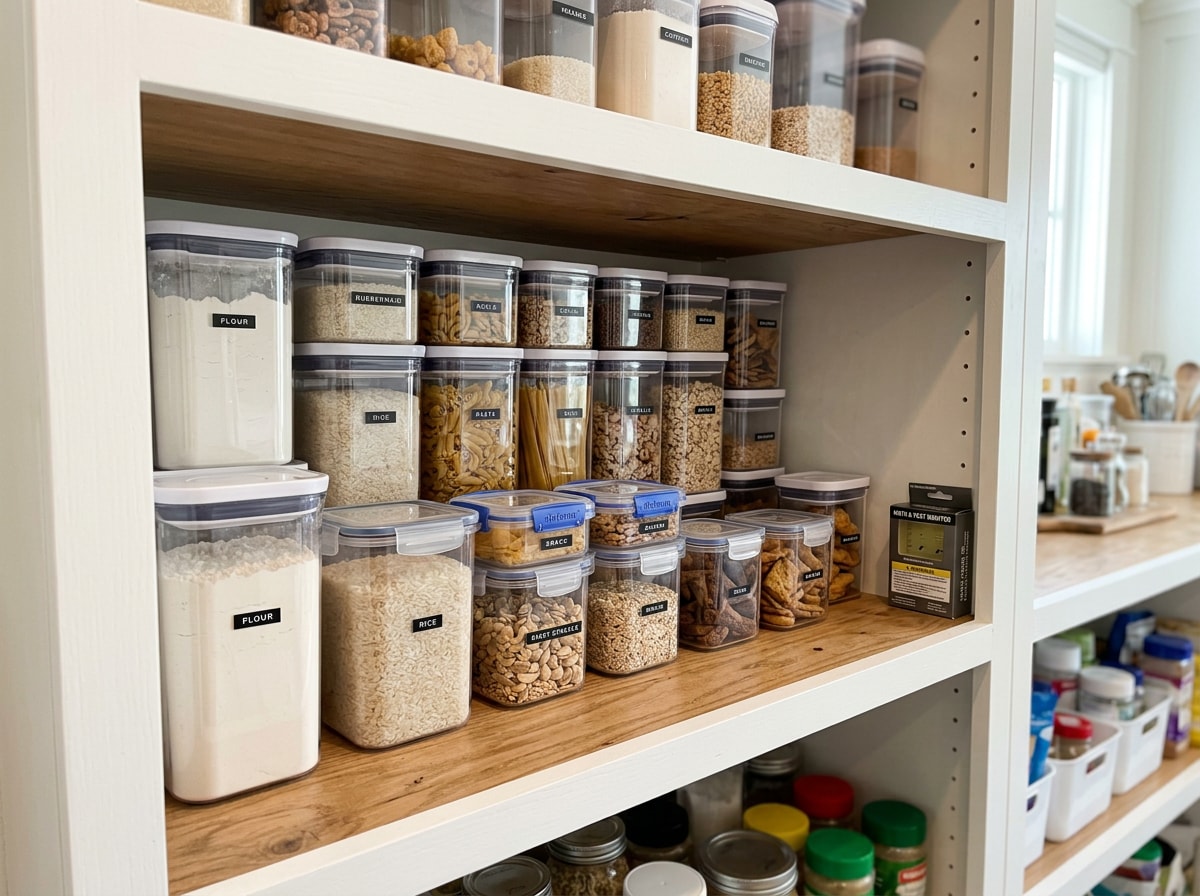
- Recommend storage changes. Switching to rigid, airtight containers is one of the most effective long-term fixes available.
In our own inspections across Wellesley's older colonials, reinfestation rarely traces back to a dirty kitchen. It's almost always one newly opened bag of birdseed, pet food, or specialty flour that came in already contaminated, which is why a thorough first inspection matters more than a quick spray.
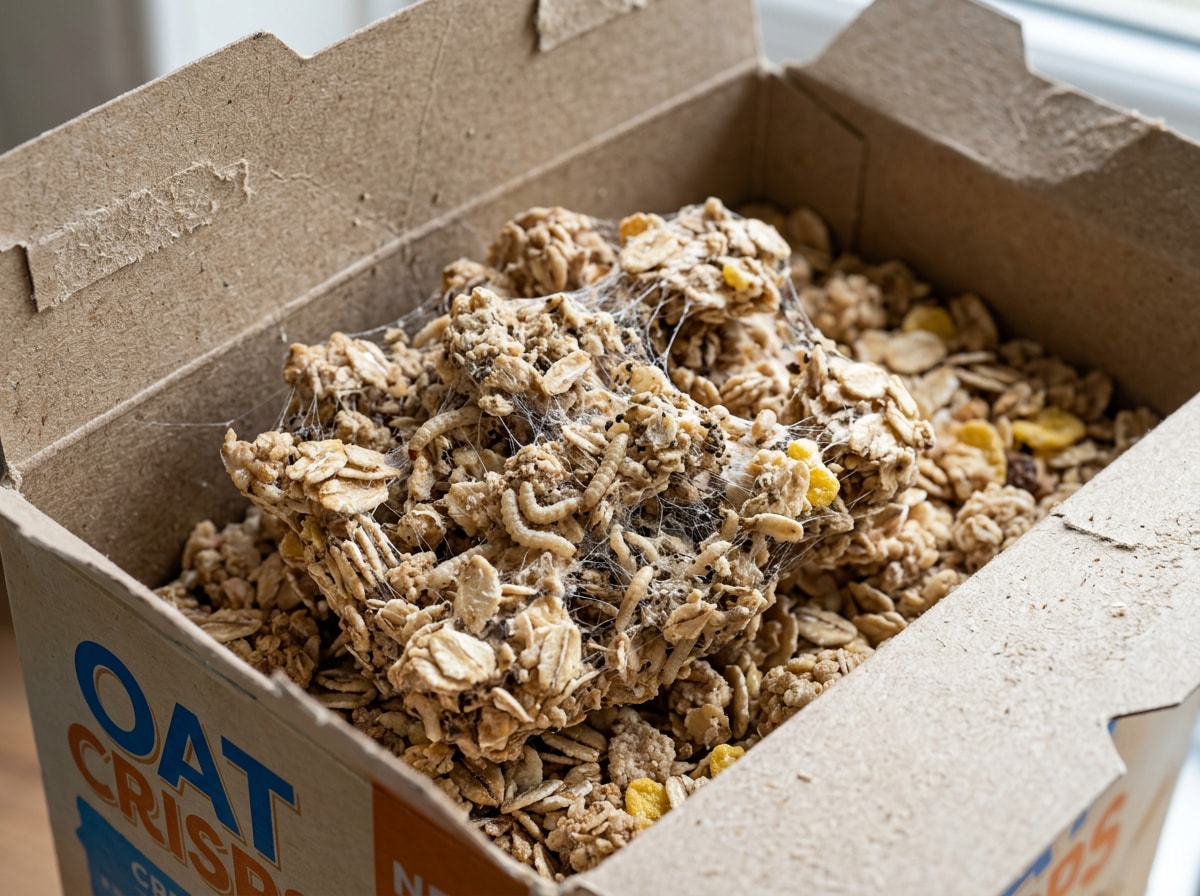
For food that's worth saving, extension entomologists note that infested items can be treated with heat or cold: an oven at 130°F for 30 minutes or a freezer at 0°F for four days will kill the insects, their eggs, and larvae (UF/IFAS Pantry and Stored Food Pests). Exclusion matters just as much as treatment. Removing dry goods from their original packaging and storing them in airtight containers is a standard recommendation from university extension entomologists for keeping pests from reinfesting a cleaned-out pantry (Cornell CALS Pantry Pests).
Pantry pest control is usually one piece of a larger stored product pest treatment visit, and it's worth asking about clothing moth treatment at the same time, since the two problems sometimes show up together in the same closets and cabinets.
If you're already seeing activity, don't wait for it to spread to every shelf. Schedule a free inspection and we'll identify the species and scope the job before any treatment begins.
Pests Often Mistaken for Pantry Pests
Not every bug in a Wellesley kitchen is a true pantry pest.
Beetles. Some beetles found in basements or near windows are simply nuisance invaders with no connection to stored food. Correctly telling a sawtoothed grain beetle from an unrelated species saves homeowners from treating the wrong area.
Ants. Ants that trail toward sugar or crumbs are foraging from an outdoor or wall-void colony, not living inside the food itself. Ant treatment follows a different process entirely: locating the trail and nest, then sealing entry points.
Rodents. Mice and rats chew through cardboard and plastic packaging and leave droppings in cabinets or along baseboards. Unlike insects, rodent control relies on trapping, sanitation, and exclusion work to seal the gaps rodents are using to get in.
Ongoing Protection for Wellesley Kitchens
A single visit can miss eggs or larvae that hatch weeks later. That's why most pantry pest cases benefit from a follow-up visit a few weeks out to confirm the problem is fully resolved, especially in homes with a history of grain beetle or moth activity where a new product delivery can reintroduce pests even after a successful treatment.
A residential pest inspection is a good starting point if you're not sure whether what you're seeing is a pantry pest, a seasonal invader, or something else entirely.
Why Wellesley Homeowners Trust This Guide
This guide was written and reviewed by the licensed pest management technicians at Lighthouse Exterminators, who inspect and treat pantry and stored-product pest issues in Wellesley kitchens throughout the year. Massachusetts requires anyone applying pesticides commercially to pass a state exam and hold a current license through the Department of Agricultural Resources (Mass.gov Pesticide Examination and Licensing), which is the standard our technicians work under on every visit.
For a closer look at how we handle insect identification across the region, see our related guide on insect pest control in Arlington, MA.
Serving Wellesley & Nearby Towns
Wellesley pantry pest control coverage includes both of the town's ZIP codes:
- 02481
- 02482
Coverage also extends to neighboring communities, including Needham and Newton. Homeowners in these towns facing similar stored-food pest issues can expect the same inspection and treatment approach used in Wellesley.
FAQ
What causes pantry pests to show up in a clean kitchen?
Most pantry pests arrive already inside a bag or box of food rather than entering from outside. A single contaminated bag of flour, rice, birdseed, or pet food can introduce an infestation even in a kitchen that's cleaned regularly.
Is it safe to eat food that had pantry bugs in it?
No. Once a package shows webbing, live insects, or larvae, the contents should be discarded rather than eaten, since the insects contaminate the food with waste and shed skins as they feed.
How much does pest control cost in Wellesley, MA?
Cost depends on the severity of the infestation and whether insects, rodents, or both are involved, so a flat number rarely tells the full story. A one-time pantry treatment typically costs less than an ongoing seasonal plan, but recurring service often catches new activity before it spreads, which saves money over time. Most providers, including ours, offer a free inspection first so you get a quote based on what's actually found in your home.
Are pantry pest treatments safe for kids and pets?
Yes. Products applied in and around food storage areas are chosen for low toxicity and used sparingly, with sanitation and exclusion doing most of the work rather than heavy spraying inside cabinets. Infested food is removed and cracks are sealed instead of treating food-contact surfaces directly.
Do you offer ongoing pantry pest protection in Wellesley?
Most cases include a follow-up visit a few weeks after the first treatment to confirm the infestation is fully resolved. This matters because eggs can survive an initial treatment and hatch later, and a new food delivery can reintroduce pests even after a successful visit.
In Massachusetts, is the landlord responsible for pests in the home?
Generally, yes. Under the Massachusetts State Sanitary Code, owners of buildings with two or more units must keep the property free from rodent and insect infestation, and extermination is the owner's responsibility regardless of which unit is affected (Mass.gov 105 CMR 410). Specific obligations can vary by lease and by whether the building has one unit or more, so renters with an active infestation should document the problem and raise it with their landlord or local board of health.
What are the pest control laws in Massachusetts?
Anyone applying pesticides commercially in Massachusetts must pass a state exam and hold a current license issued through the Department of Agricultural Resources. This is general background information, not legal advice, and requirements can change, so check the state's pesticide licensing page for current rules before hiring anyone.