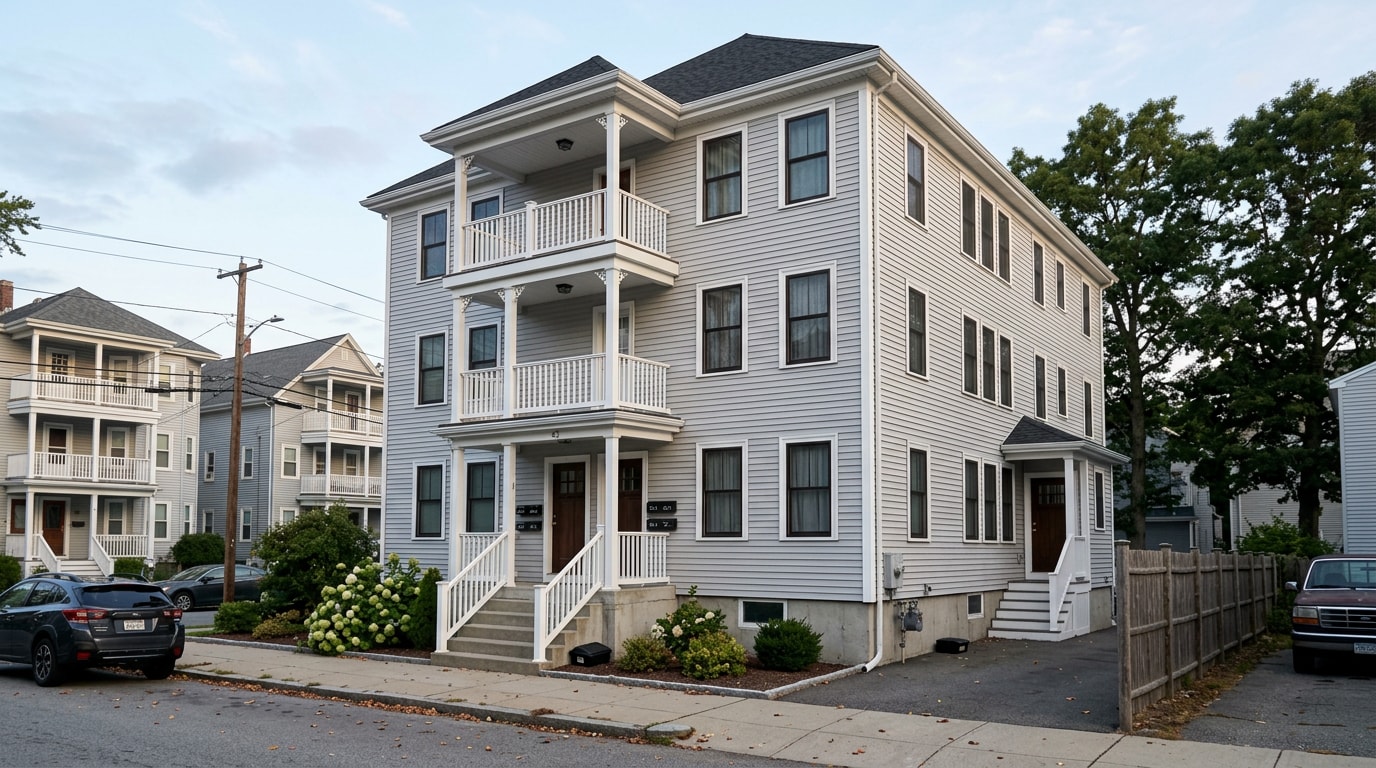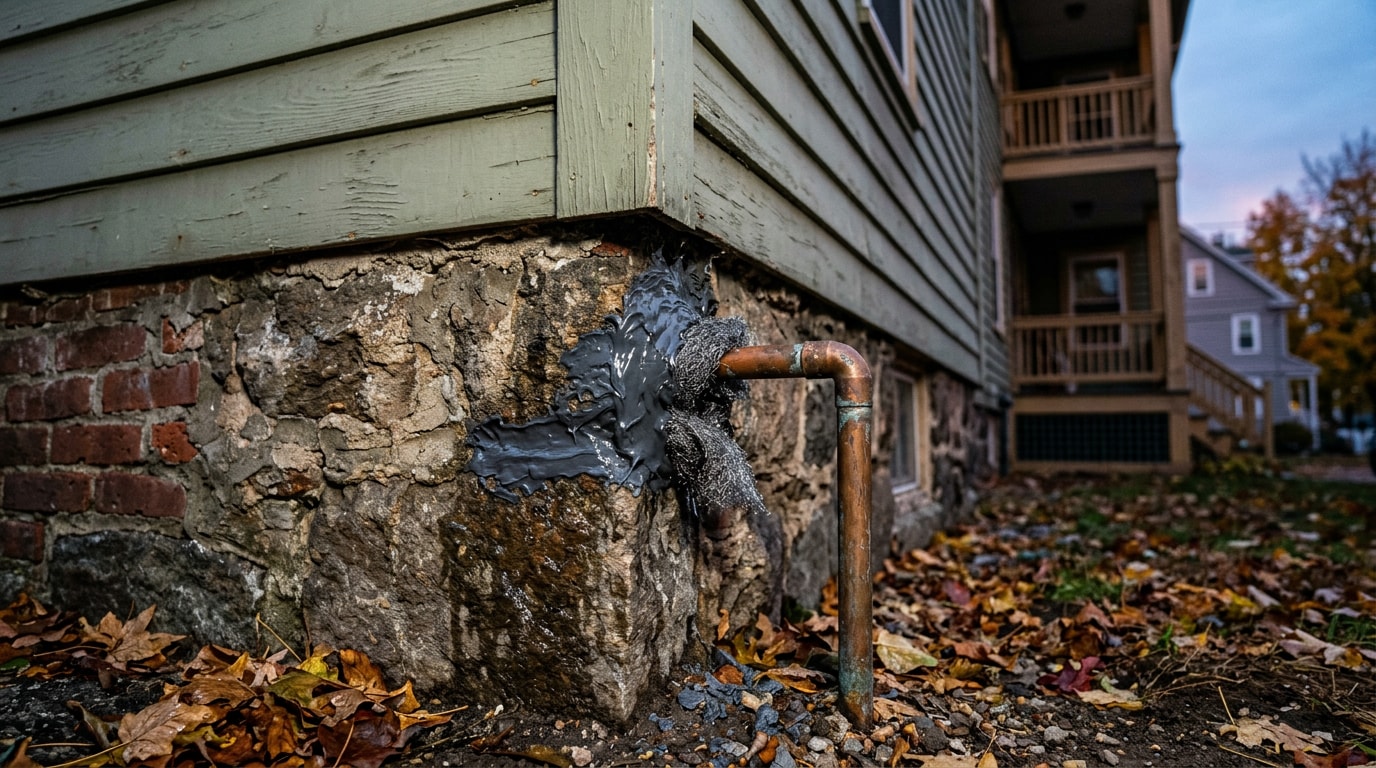

Termite killer Revere, MA homeowners actually need starts with understanding the enemy: coastal humidity and decades-old framing near Revere Beach, Beachmont, and Point of Pines give subterranean termites exactly the damp wood they're looking for. A few mud tubes by the foundation today can mean thousands of dollars in hidden structural damage by next spring. This guide covers the warning signs, the treatments that actually work, and how to get a technician out to your property fast.
Signs of a Termite Infestation in Your Revere Home
Homeowners in Revere should check for three things first: mud tubes, discarded wings, and hollow-sounding wood. These are the most reliable indicators of an active colony, and termites can work through structural wood for months before any visible warping shows up.
Here's what to look for during a quick walk-around:
- Mud tubes — pencil-width tunnels along the foundation that termites build to travel between soil and wood while avoiding open air
- Discarded wings near windows and doors, left behind after a spring swarm of winged reproductive termites
- Hollow or damaged wood that sounds different when tapped, especially at sill plates and trim
- Blistered or bubbling paint on wood surfaces, often mistaken for water damage
The presence of soft wood that sounds hollow when tapped, darkening or blistering of wood structures, and discarded wings near doors or windowsills signal that swarmers have already infested the home . If a board sounds hollow or shows visible damage, schedule a termite inspection soon rather than waiting out the season.
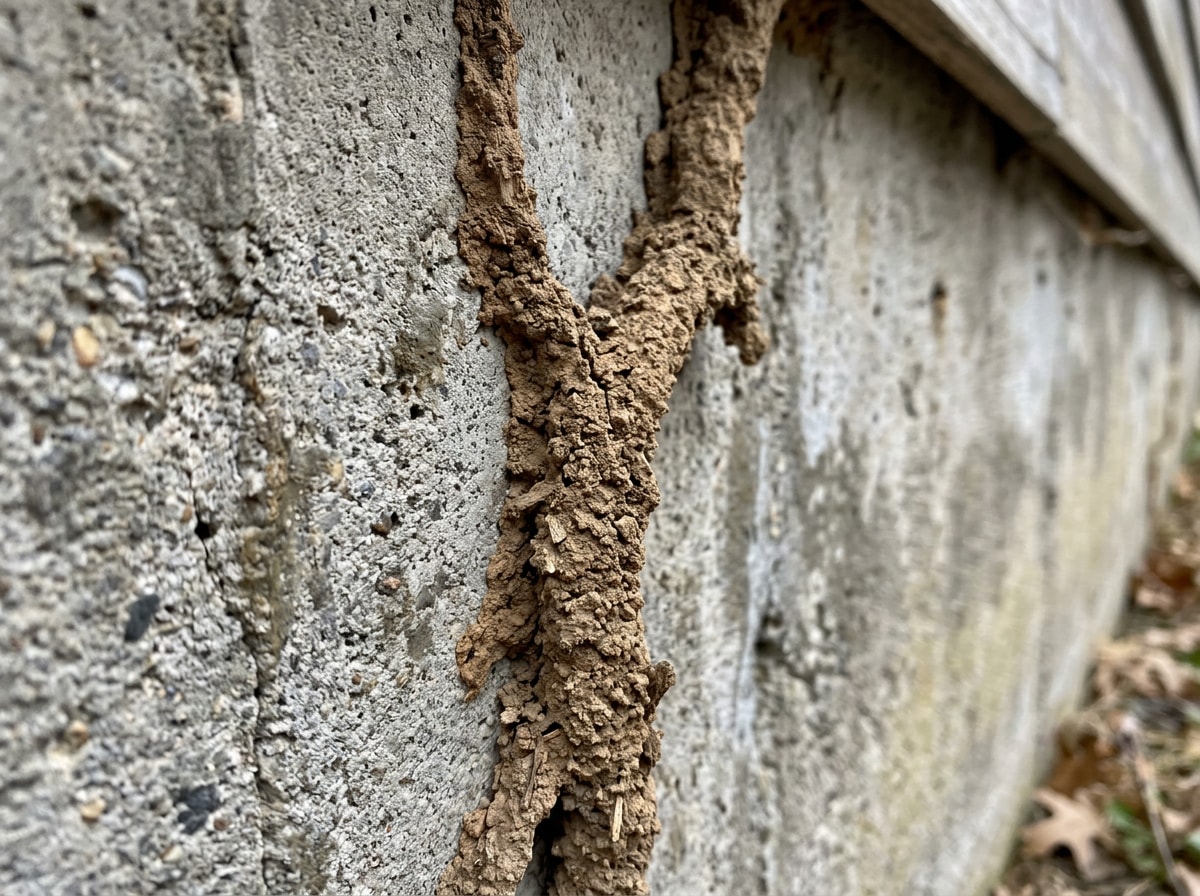
Check these spots first, since New England framing creates specific weak points: foundation sill plates, basement floor joists, and exterior trim where wood meets soil. Termite colonies aren't small operations, either. Subterranean termite colonies can contain thousands to millions of termites , which is why visible damage on the surface usually means the infestation underneath is already mature. We've found active galleries behind vinyl siding on Revere triple-deckers where the original wood clapboard had been covered over decades ago, with no visible sign from the street.
Termite Killer Treatments We Use in Revere
Effective termite treatment starts with a thorough inspection, not a guess. A plan should account for infestation size, soil conditions, and how close the colony sits to load-bearing wood. Most professional providers combine methods instead of relying on one fix, since no single approach handles every infestation type equally well.
| Method | How It Works | Typical Cost Range | Best For |
|---|---|---|---|
| Liquid termiticide barrier | Soil-applied chemical barrier around the foundation | $1,000–$3,200 | Active subterranean infestations, perimeter protection |
| Termite bait stations | In-ground stations monitored and refilled to eliminate the colony | $1,500–$3,500, plus annual monitoring | Long-term prevention, ongoing monitoring |
| Fumigation | Whole-structure tenting and gas treatment | $2,000–$8,000+ | Severe drywood infestations throughout the structure |
Costs vary by home size, infestation severity, and provider, so treat these ranges as a starting point rather than a quote.
Liquid Treatments and Baiting Systems
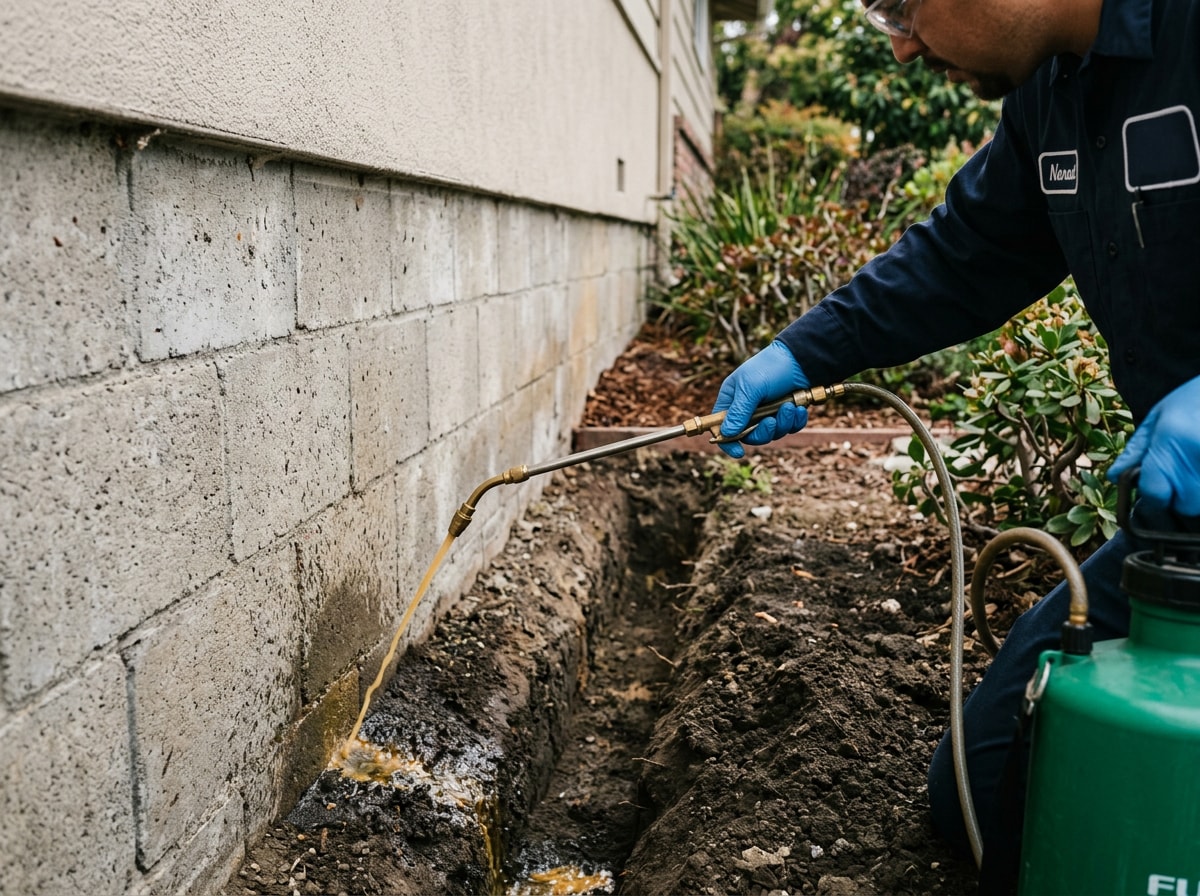
Liquid termiticides are applied to the soil around a home's foundation, creating a barrier termites can't cross undetected. Non-repellent formulas mean termites carry the chemical back to the colony instead of avoiding it. Products used for this work aren't sold off the shelf for professional-grade application. Before a company can sell or distribute any pesticide in the United States, EPA must review studies on the pesticide to confirm it won't pose unreasonable risks, and termiticides must demonstrate the ability to provide structural protection before EPA registers them .
Bait stations work differently. In-ground stations placed around the property hold cellulose material laced with a slow-acting growth regulator. Foraging termites carry it back and share it through the colony, gradually eliminating the nest instead of only the termites that cross a treated zone. Many Revere properties use both: liquid soil treatment for immediate protection and bait stations for longer-term suppression. See our full termite treatment page for how we scope a job before quoting it.
Termite Prevention & Ongoing Monitoring
Preventing an infestation is almost always cheaper than treating one. Homeowners in Revere benefit most from two habits: scheduling regular inspections and controlling moisture around the foundation, since damp soil and wood are exactly what subterranean termites seek.
Moisture control means:
- Fixing leaky gutters and downspouts that dump water near the foundation
- Grading soil away from the house instead of toward it
- Keeping firewood, mulch, and lumber scraps off the ground near exterior walls
- Sealing cracks and gaps in the foundation where swarmers can enter
Combine that with an annual termite inspection, and most colonies get caught before reaching structural wood. If damage has already started, a termite damage inspection documents the extent before any repair work begins.
Ongoing monitoring extends that protection year-round. Instead of treating termites as a one-time problem, a technician checks bait stations, inspects vulnerable areas, and adjusts the plan as conditions change. Schedule a free inspection to get a monitoring plan started before swarm season.
Why Choose a Professional Termite Treatment Company in Revere
Not every pest control company handles termites the same way. Check a few things before signing a contract.
Look for local experience with the termite species and behavior common to Revere. Coastal subterranean termites act differently than inland colonies, and a technician who knows the area spots problems faster. Certification matters too: a licensed, trained termite technician should walk you through inspection findings clearly, not just hand over a quote.
Ask what products they use. Proven products from a registered termiticide line usually mean fewer callbacks and safer application around kids and pets. Finally, ask about guarantees. A company confident in its work backs the treatment with a written warranty. Experience, certification, and documented results matter more than brand recognition when choosing who treats your home. Browse our full pest control service lineup to see how termite work fits into a broader plan.
Termite Protection Plans
A one-time treatment kills the colony that's there today, but a protection plan is built for what shows up next year. Most plans include:
- Year-round coverage with quarterly visits timed to termites' most active seasons
- Predictable monthly or annual billing instead of one large upfront cost
- A satisfaction guarantee if termites return between visits
- A free annual inspection to catch new activity before it becomes structural
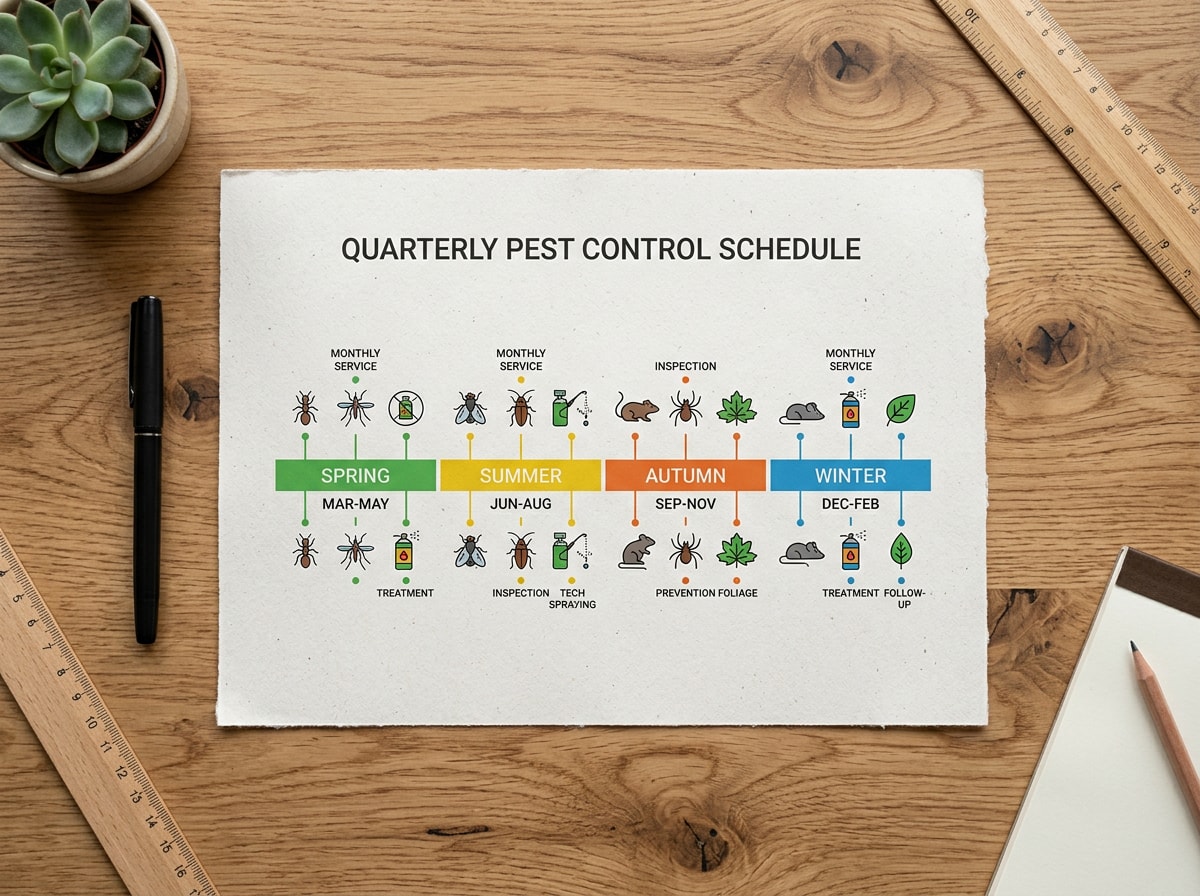
A protection plan attacks the entire colony, not just visible activity, so the home stays covered between scheduled visits. For businesses and landlords, a commercial property pest inspection covers multi-unit buildings the same way. Request a quote to compare plan pricing for your home.
Service Areas We Serve Near Revere, MA
No matter where you are in the greater Revere area, termite help should be fast, whether the problem is a few mud tubes or a colony already in the framing. Coverage spans Revere Beach, Beachmont, Point of Pines, and neighborhoods bordering Chelsea, Saugus, and Winthrop, MA.
If other seasonal pests are also showing up on the North Shore, our guide on how to get rid of love bugs in nearby Lynn covers a different but common warm-weather nuisance. For termites specifically, check our Revere, MA service page to confirm coverage for your street, or visit the homepage for our full service lineup.
FAQ
How Much Does Termite Treatment Cost in Revere, MA?
Termite treatment typically runs from about $1,000 to $8,000, depending on the method, how far the infestation has spread, and home size. Spot liquid treatments sit at the low end; whole-structure fumigation sits at the high end. Most local companies need an in-person inspection before giving an accurate estimate.
Does Homeowners Insurance Cover Termite Damage?
Standard homeowners insurance almost never covers termite damage. These pests cause an estimated $6.8 billion in property damage annually, a figure made worse by the fact that standard homeowners insurance policies almost universally exclude termite damage from coverage . Some pest control companies offer a termite bond instead, a renewable service agreement covering retreatment and sometimes repairs if termites return.
What Kills Termites Instantly?
Direct-contact products like liquid termiticide and foam treatments kill termites on contact, which is why professionals apply them directly into galleries or foundation soil. A DIY termite spray might kill the termites it touches, but it rarely reaches the hidden part of the colony doing the real damage. Without eliminating the queen and nest, surface-level kills tend to be temporary.
Can I Get Rid of Termites Myself?
DIY sprays and foams can kill termites on contact, but they almost never reach the queen or the full colony hidden underground or inside wall voids. A property can look treated while the colony keeps growing undetected. Professional treatment uses products and placement strategies, like trenching the full foundation perimeter or installing a ring of monitored bait stations, that a retail spray can't replicate.
How Often Should I Have My Home Inspected for Termites?
Most Revere homes should get an annual termite inspection, ideally in spring when swarmers are most active. Older homes, properties with known moisture issues, or houses near chronically damp soil should consider inspections every six months instead. Consistent inspection frequency is what catches a new colony before it reaches structural wood.
About This Guide
This guide was written by the technical team at Lighthouse Exterminators, a licensed pest control provider serving Revere and the greater North Shore and Boston area. Our technicians hold Massachusetts pesticide applicator licensing and inspect homes along Revere's coastal neighborhoods regularly, including the older triple-deckers and beachfront properties where moisture and aging framing create the conditions described above. Questions about a specific property? Contact us directly.